
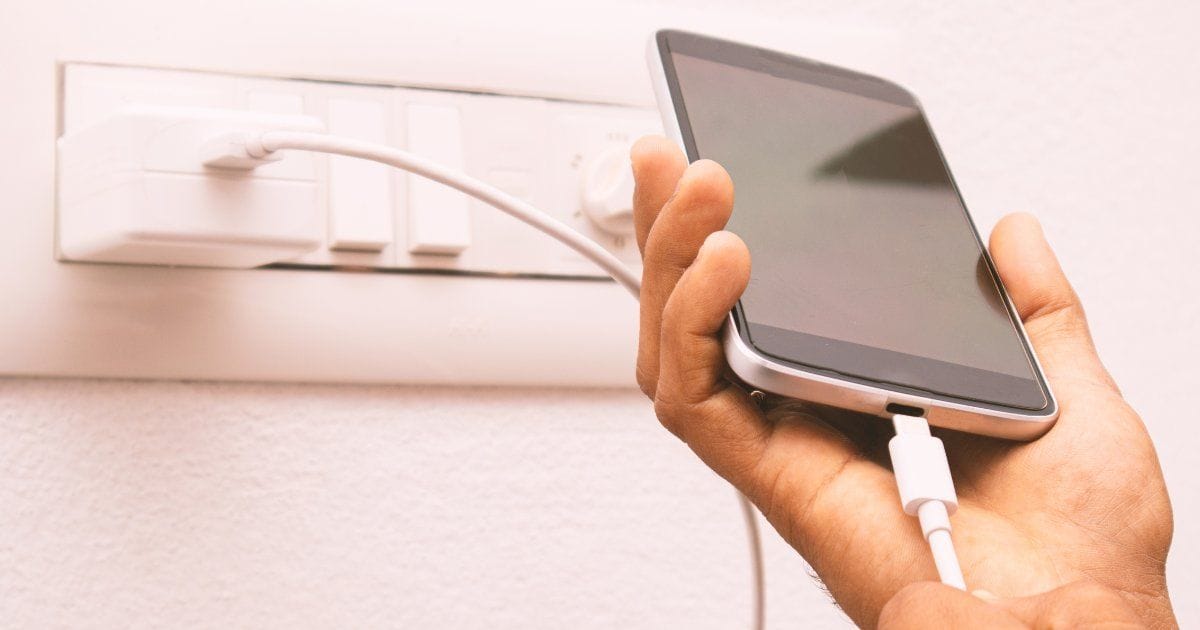
Kenya now requires every phone sold in the country to have a USB Type C charging port. The Communications Authority recently introduced the new rule, surprising many. Why a Type C Charger? What are the benefits of using a type C charger? CAK answered the question every Kenyan is asking.
The move came through fresh technical specifications published on March 24, 2026. Officials say all smartphones, tablets and even basic feature phones known locally as ‘kabambe’ must switch to the modern port. Old micro USB or other connectors no longer pass.
Charging cables must detach from the adapter too. Power plugs need to match Kenya’s three-pin standard. The authority aims to make charging simpler, safer and better for the environment by cutting down on piles of mismatched chargers.
Word spread fast after the announcement. Shops in Nairobi, Mombasa and smaller towns saw sudden anxiety among sellers. Importers who brought in cheap phones from Asia now face stuck shipments.
Some stock sitting in warehouses cannot clear customs if it fails the new test. One dealer in Gikomba market said he woke up to the news and started calling suppliers right away.
Prices for old models already dipped as buyers hold off. Others wonder what happens to phones already on shelves or in customers’ hands. However, the government says customers who bought phones will be allowed for a while.
The rule hits low-cost phones hardest. Many kabambe that sell for a few thousand shillings use older ports to keep costs down. Those devices serve millions, especially in rural areas where people need basic calls, texts and maybe radio.
Suddenly they risk getting pushed out unless makers update designs quickly to meet new standards that enhance compatibility and reduce waste, similar to the changes seen in Europe. Even some older smartphones may experience the impact. The change echoes steps taken in Europe where lawmakers pushed the same standard to reduce waste.
Communications Authority bosses explain the reasons plainly. A single charger type means fewer cables thrown away each year. It also raises safety levels. Cheap knockoffs sometimes overheat or cause shorts.
New minimum standards come with the port rule. Phones need at least eight hours of talk time and 24 hours on standby. They must handle Kenya’s power supply properly and meet rules on radiation and network performance. Some reports mention 5G support as part of the bigger package, though coverage still grows slowly outside cities.
Sellers and importers scramble to adjust. One wholesaler near River Road described hurried meetings to figure out returns or upgrades. Clearance delays already slow business. Without a clear grace period, many fear losses on existing inventory.
Small vendors who rely on quick turnover worry most. They sell to customers who pick the cheapest option that works. A phone with the right port might cost more upfront even if it saves money later on chargers.
Young people scroll social media debating whether the government should have given more notice. Some praise the step toward modern standards. Others call it tough on tight budgets.
For now, the market feels shaken. Phone shops report slower sales as buyers wait to see what arrives next. Importers hunt for compliant models to restock fast. Manufacturers in China and elsewhere likely ramp up production lines for Kenya-bound batches. Local assembly plants may need tweaks too.
The sudden shift raises several unanswered questions. Will officials allow time to sell off old stock? How strictly will checks happen at borders? Will prices rise across the board? Every day, users watch closely because phones matter for banking, learning, and staying in touch. Families stretch to buy devices that last.
This week the conversation fills markets and online groups. Some stock up on spare cables while they last. Others search for deals on phones that already meet the criteria. The rule marks another step in how Kenya shapes its tech future.