
Kenya State House Budget Doubles to Sh16.1B on Fuel and Hospitality

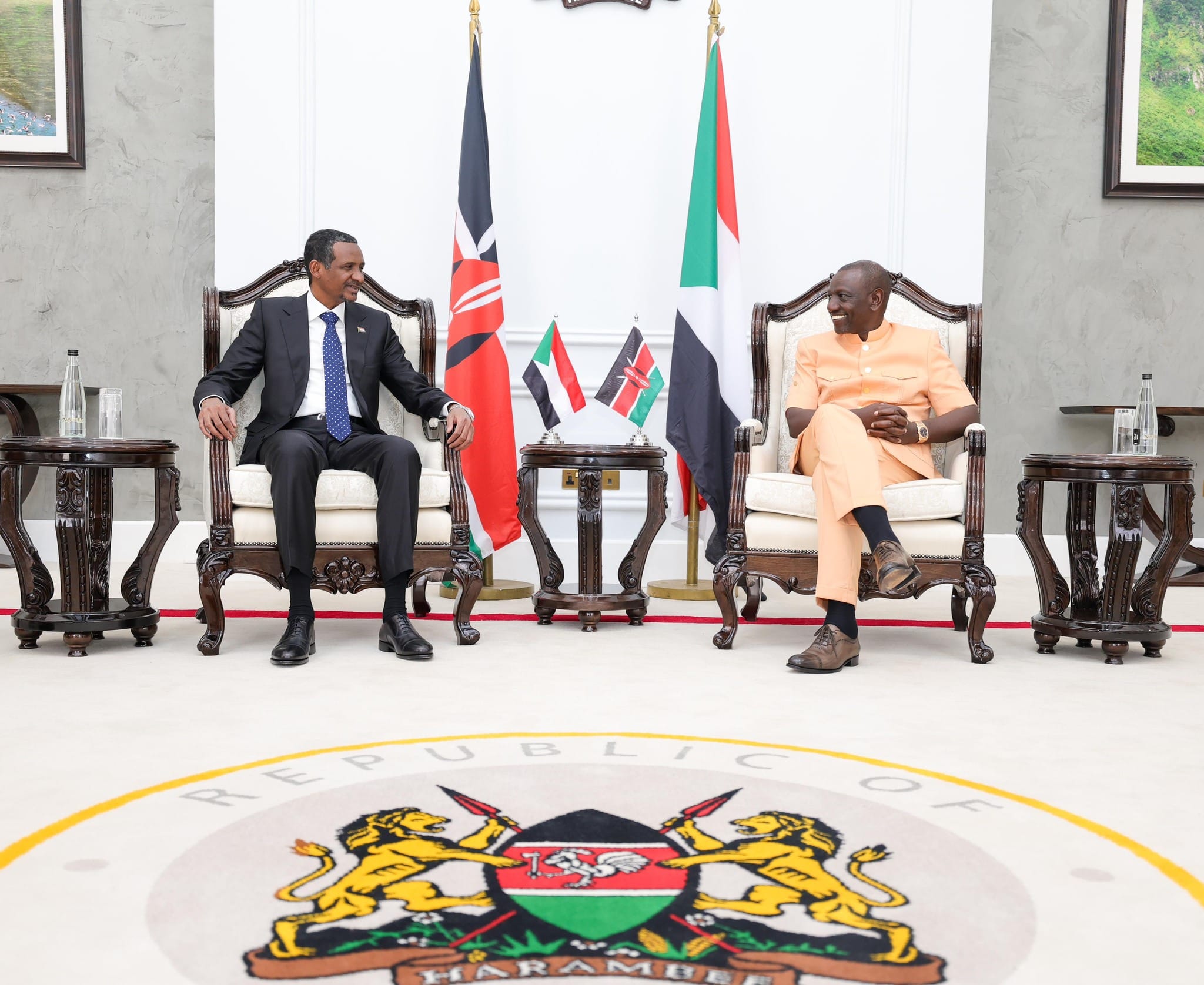
Kenya’s State House budget is set to double to Sh16.1 billion under fresh revised estimates tabled by the National Treasury for the ’25/’26 financial year. This massive jump comes after the office already burnt through Sh10.4 billion in just the first seven months, far past its original Sh7.68 billion allocation, thanks to emergency spending powers that let them go over without waiting for Parliament’s okay.
The numbers tell a stark story. The State House in Nairobi jumps from Sh6 billion to Sh14 billion. Domestic travel shoots up from Sh376 million to Sh2 billion. Hospitality climbs from Sh338 million to Sh1.6 billion. Fuel for the presidential fleet rises from Sh191 million to Sh600 million.
Vehicle maintenance goes from Sh136 million to Sh530 million. New cars get Sh141 million instead of the original Sh6.9 million. Officials say these increases support enhanced operations and the demands of running the presidency in a busy year.
Yet many Kenyans see it differently. While State House gets this extra cash, other areas struggle. Health services face cuts in places like oncology treatments, where funding has been slashed in half for some programmes.
Schools deal with shortages of teachers, books, and even basic capitation funds that keep kids in class. Critics point out that the Sh8.4 billion added here could build hospitals, hire more doctors, or fix classrooms instead of covering more travel and fancy events.
One activist I heard from said it feels like priorities are upside down when ordinary people wait hours for medical care or watch their children learn under trees.
This isn’t the first time State House has outspent its budget early. Back in January alone, they shelled out Sh1.3 billion, averaging over Sh40 million a day on routine costs. The overspend hit Sh2.7 billion above the full-year limit by the end of January, pushing the need for this supplementary request.
The Treasury used constitutional clauses to keep things moving without immediate approval, but now Parliament must sign off on the changes. MPs will debate it soon, and the pressure is on to explain why one office gets such a big boost while revenue collections lag and the country borrows heavily to stay afloat.
President William Ruto’s team defends the spending as necessary for effective leadership and coordination across government. They argue that domestic trips help connect with citizens, hospitality covers official functions, and fleet upkeep keeps things safe and reliable.
But in a time when taxes feel heavy and the cost of living bites hard, the contrast stands out. Debt payments already eat up most of what Kenya collects, leaving little for development like roads or clinics.
Adding billions to the State House while health and education scrape by fuels frustration among taxpayers who foot the bill.
Public reaction has been swift and sharp. Social media is filled with comments questioning the timing and scale. Some call it tone-deaf amid ongoing talks of austerity.
Others wonder about transparency on exactly where the money goes. Stories circulate of families skipping meals to pay school fees or patients being turned away from underfunded wards.
That Sh16.1 billion figure hits home when people see what it could do elsewhere. Imagine stocking hospitals with cancer drugs or hiring enough teachers so classes aren’t overcrowded.
Parliament now holds the line. They can approve the full amount, trim it back, or demand more details. Past supplementary budgets have seen tweaks after public outcry, so watch this space.
The debate ties into bigger questions about how government spends taxpayer shillings in tough economic times. Kenya faces revenue shortfalls, rising debt, and pressure to deliver on promises like better healthcare and education for all.
For everyday Kenyans, this feels personal. When the State House gets double the money it started with, while hospitals run short on medicine and schools lack basics, it raises real doubts about fairness.
The coming weeks will show if MPs push back or let it slide. Either way, the conversation on priorities won’t quiet down soon. People want answers, and they want spending that matches the struggles they face daily.
Related Posts

Ruto: Sifuna ni fala anataka tusimamishe mradi wa Affordable Housing
President William Ruto stood before crowds in Eldoret, Uasin Gishu County, on Thursday, August 13, 2026, and branded Nairobi Senator Edwin Sifuna a fool for…
CO-OP BANK REPORTS A STRONG 17.3 PERCENT GROWTH IN PROFIT TO KSH…
Co-op Bank has posted a strong profit before tax of KSh 23.1 billion for the half year ended 30 June 2026, compared to KSh 19.7…
Ruto Demands Mandatory New Constitution for Vision 2060 Reforms
Kenyan President William Ruto told a national audience this week that the 2010 Constitution forces leaders to seek the people’s approval on major changes rather…
After Claims 2024 Gen Z Were From Illuminati, MP Kagombe Quits UDA
Gatundu South lawmaker Gabriel Kagombe walks away from the United Democratic Alliance this week as he eyes a fresh vehicle in Kenya’s mountain region. The…