
Nairobi Hospital Board Held in Custody, Ruto Linked to Control Fight

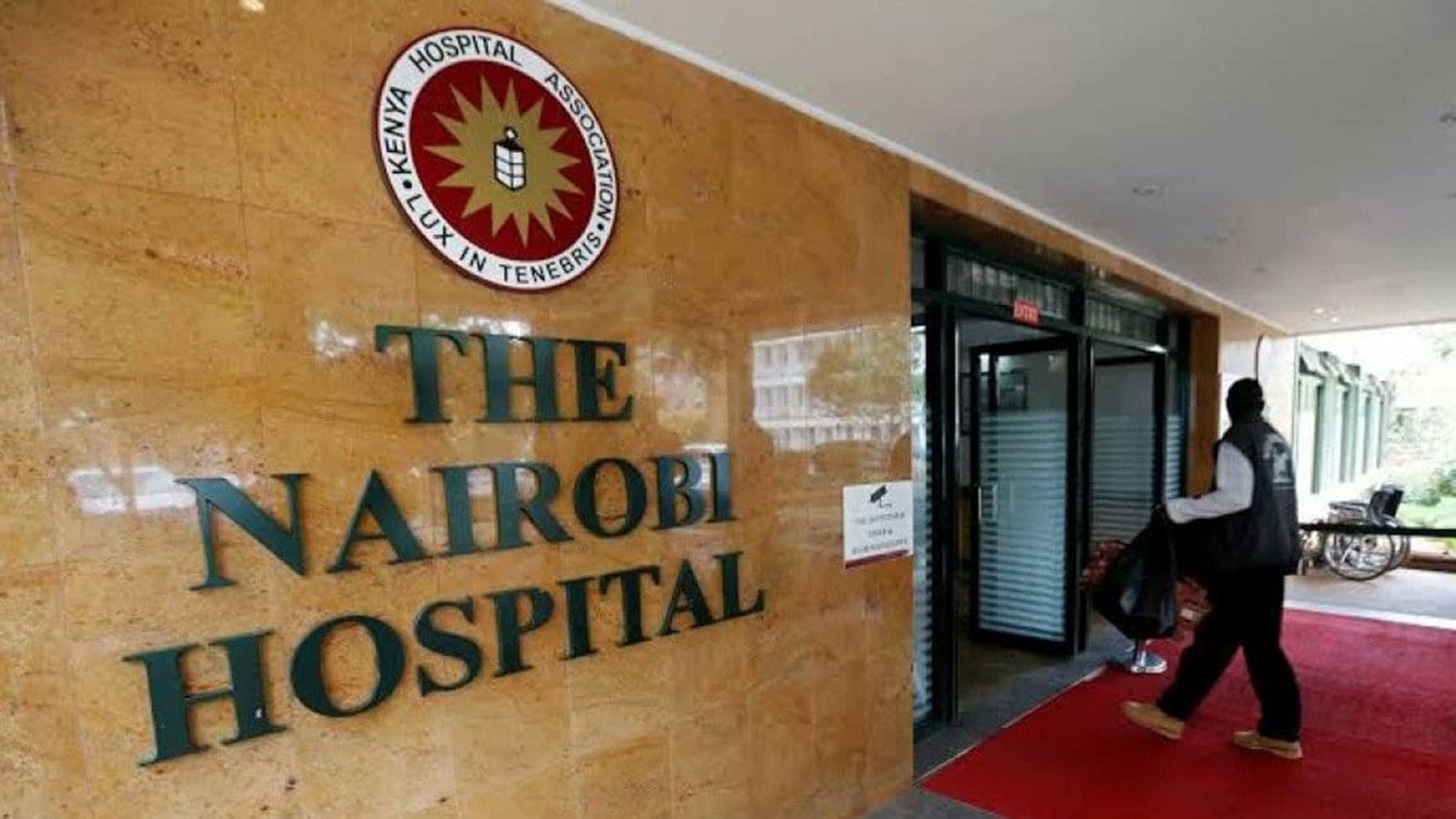
Nairobi Hospital board members are held in custody over a control fight, and the standoff has doctors across Kenya on edge while questions swirl about high-level pressure on one of the country’s top private medical facilities.
Four senior figures from the hospital and the Kenya Hospital Association, including 83-year-old Dr Job Obwaka, Vice Chairman Samson Kinyanjui, Valerie Gaya and Chris Bichage, have sat in police cells since March 14 without any formal charges filed against them. The Kenya Medical Practitioners Union called the detention unlawful and warned that doctors nationwide could walk off the job if the four do not walk free soon.
The dispute centres on who really runs Nairobi Hospital. More than three thousand doctors own the institution through the Kenya Hospital Association, which set it up years ago as a private-public setup meant to serve both paying patients and those who need affordable care.
The current board has resisted heavy pushback to shift the hospital from a company limited by guarantee to a limited liability company, a change that would open the door for outside investors and new board seats.
Sources close to the matter say close associates of President William Ruto want exactly that shift along with specific names added to the governing body. The board chair reportedly received a summons to Harambee House on March 9, where officials pressed for those exact changes using the president’s name as leverage.
People familiar with the talks claim the president himself has shown interest in buying the hospital outright after earlier offers for lucrative deals got turned down. The board has held firm, saying the facility belongs to the medical community, not private hands, and any takeover attempt threatens the original mission of quality care without profit driving every decision.
Doctors who rely on the hospital for training, referrals and their own treatment feel the squeeze most. Many see the detentions as a way to force compliance rather than a legitimate criminal matter.
The union pointed out that a court had already ordered the release of the four, yet police have ignored the directive, keeping them locked up day after day.
Word of the standoff spread quickly through medical WhatsApp groups and hospital corridors. Junior doctors posted messages of support while senior consultants quietly worried about what happens if the board gets replaced with government-friendly faces.
Nairobi Hospital handles complex cases from across East Africa, and its labs’ training programmes and specialist units matter to the whole profession. Losing independent control could change how decisions get made, from equipment purchases to patient fees and staff hiring.
Union leaders say they will not sit idle if the situation drags on much longer and hinted at coordinated industrial action that could hit public and private facilities alike.
Police have not released any charge sheet or court appearance date, which leaves the four in limbo and their families anxious.
Lawyers working on the case say the lack of paperwork after several days raises serious red flags about due process. The Kenya Hospital Association issued a short statement calling for immediate release and respect for the institution’s founding principles while urging calm among members.
This is not the first time Nairobi Hospital has faced outside interest. Over the years different groups have eyed its prime land, modern equipment and steady patient flow as a valuable prize.
The current board has pushed back every time, insisting the doctors who built it should keep the final say. Now, with the detentions, the fight feels more personal and urgent. Medical professionals who once stayed out of politics find themselves pulled in because their workplace and training ground hang in the balance.
Public reaction online shows a split. Some Kenyans back the board, saying private institutions should stay free from state control, while others argue that government involvement could bring needed oversight and funding.
The union keeps pressing for answers and release with daily updates for members. As March 16, 2026, wears on, the four remain in custody, the hospital carries on under strain, and the wider medical community watches closely for the next move.
Whether talks behind closed doors bring a quick end or the standoff drags into protests, the coming days will show how far each side is willing to push over who controls one of Kenya’s most respected health institutions. Nairobi Hospital board members are held in custody over a control fight, and the story keeps growing as more doctors speak out and the country waits to see if reason or force wins out.
Related Posts

Crowds Chase Kimilili MP Barasa After Cash Runs Out
Angry crowds chased Kimilili MP Didmus Barasa through the streets of Kimilili on July 30 after cash ran out at his public event in Bungoma…
Edwin Sifuna Climbs Fast in 2027 Kenya Election Poll – TIFA Polls
Nairobi Senator Edwin Sifuna climbs fast in the 2027 Kenya election poll as opposition dynamics shift sharply. Voters now give him 15 percent support for…

Ruto Clashes With Sifuna Over Rural Affordable Housing Chickens.
President William Ruto traded sharp words with Nairobi Senator Edwin Sifuna over rural housing chickens’ plans during a fresh clash that spotlights deep divisions in…
Kiraitu Murungi Boldly Predicts Ruto 2027 Presidency ‘Mpende Msipende’
Veteran politician Kiraitu Murungi stood firm as he addressed growing frustration among Meru voters toward President Ruto. He declared that despite widespread anger and vows…