
Nairobi-Mombasa Highway Paralysed by River Sultan Hamud Bursting
 Sandra Mutuku — March 7, 2026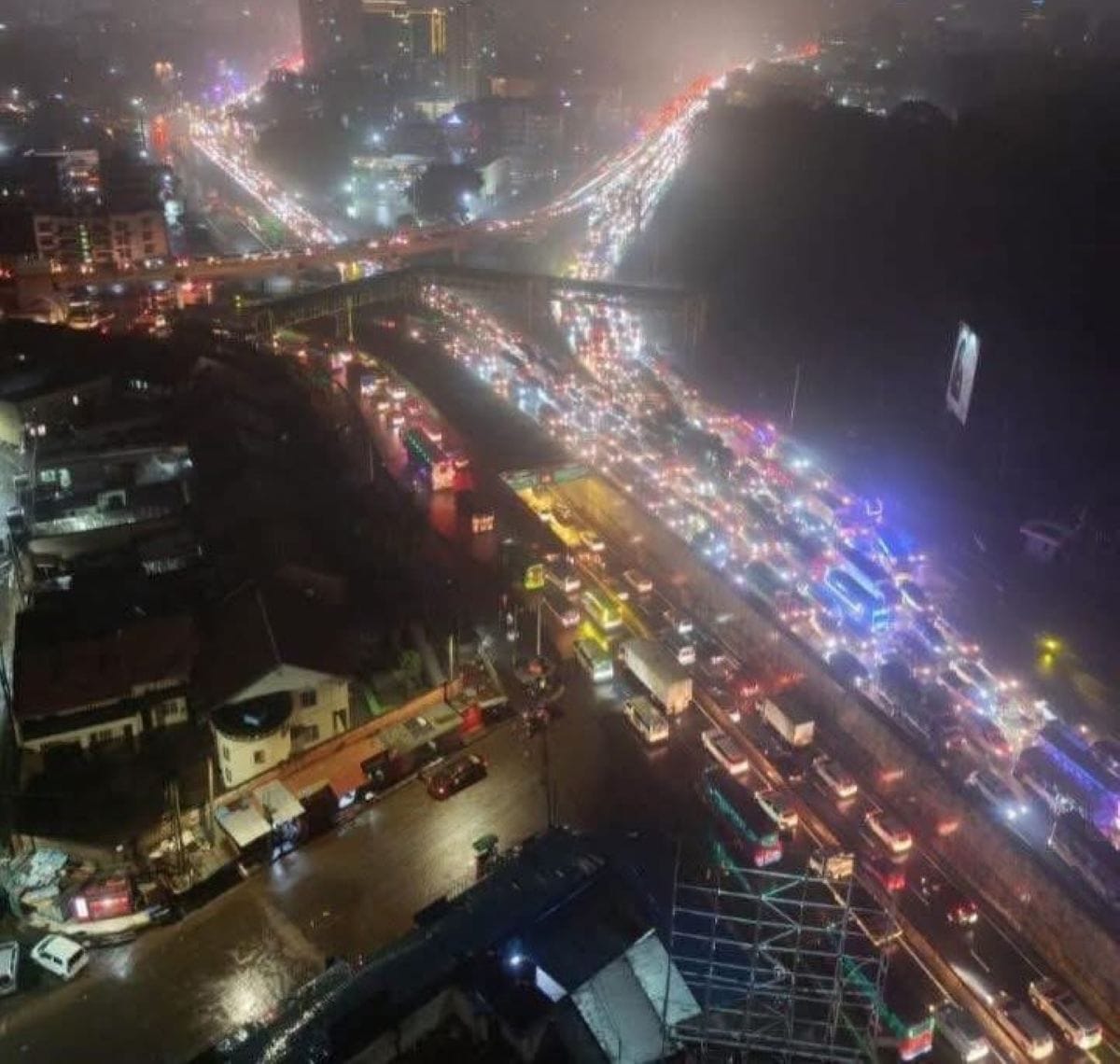
The Nairobi-Mombasa highway was paralysed today after the River Sultan Hamud burst its banks overnight, turning a key stretch near Sultan Hamud town into a muddy lake and stranding hundreds of travellers. Heavy rainfall that hammered the area from Friday night into Saturday morning sent water roaring over the road, submerging the bridge and cutting off normal flow in both directions.
Motorists woke up to chaos. Trucks lined up for kilometres in either direction, some backed up as far as Emali in Makueni County. Photos and clips shared online show brown water rushing across the tarmac, vehicles half-submerged, and people climbing onto higher ground to wait it out.
One driver posted that he’d been stuck for over three hours with no sign of movement. PSVs, matatus, and private cars all ground to a halt, leaving passengers frustrated and worried about missed connections or spoilt goods.
The Kenya National Highways Authority (KeNHA) confirmed the blockage early Saturday. They put out advisories warning drivers to avoid the section and seek alternatives where possible.
But options stay limited – detours add hours and extra costs, especially for heavy cargo heading to or from the coast. Some folks tried crossing on foot or with help from locals, but most stayed put, engines off, hoping the water drops soon.
This mess ties straight into the ongoing heavy rains pounding Kenya. The Meteorological Department’s advisory, active until March 9 at 7pm, flagged peak falls through the weekend in places like the southeastern lowlands, which includes Makueni.
Over 20 mm in 24 hours keeps coming down in spots, and soils already saturated from earlier spells can’t soak up much more. Flash floods pop up fast in low areas, and rivers like Sultan Hamud swell without warning. The same weather system flooded Nairobi streets Friday, sweeping cars away and claiming lives in the city.
Around Sultan Hamud, the river rarely gets this angry, locals say. Some even joked online they’d never seen it look like a real river before – usually a trickle, now a torrent carrying branches, soil, and anything loose.
No reports of deaths at this spot yet, but the risk hangs heavy. Emergency teams monitor for anyone swept off or trapped in vehicles. Police direct traffic where they can, but nature calls the shots right now.
Travellers share raw frustration. One trucker hauling produce to Mombasa worried his load would rot in the heat. Families heading home for the weekend sit in cars with kids getting restless.
Social media is filled with pleas for updates, photos of the flooded bridge, and calls for better drainage or early warnings. “This road needs real fixes,” one comment read. “Every rainy season it’s the same story.”
KeNHA works to reopen lanes as water recedes, but no quick timeline exists. Pumps or heavy machinery might help clear the worst spots, though silt and debris complicate things.
The bigger picture shows how vulnerable transport gets when long rains kick in hard. This stretch near Sultan Hamud floods often enough that folks brace for it, yet each time catches some off guard. As the advisory runs its course, eyes remain on whether more rivers overflow or if things calm down by Monday.
For anyone planning a trip along the Nairobi-Mombasa route, the advice rings clear: check updates from KeNHA or local stations before heading out. Wait it out if you can, or find another path.
The water will drop eventually, but right now the highway stands still, a reminder of how powerful these seasonal rains turn out to be. Stay safe on the roads – and keep watching the skies.
Related Posts
Ruto Demands Mandatory New Constitution for Vision 2060 Reforms
Kenyan President William Ruto told a national audience this week that the 2010 Constitution forces leaders to seek the people’s approval on major changes rather…
After Claims 2024 Gen Z Were From Illuminati, MP Kagombe Quits UDA
Gatundu South lawmaker Gabriel Kagombe walks away from the United Democratic Alliance this week as he eyes a fresh vehicle in Kenya’s mountain region. The…

Bumula MP Wamboka Criticizes Wetangula’s Uhuru Exit Call
Bumula MP Jack Wamboka yesterday rejected Speaker Moses Wetangula demands that former president Uhuru Kenyatta leave active politics. The lawmaker spoke in Bungoma County and…
New Emurua Dikirr MP David Keter Outrage After Demeaning Woman
Recently elected Emurua Dikirr MP David Keter sparked fierce public anger across Kenya when he publicly told a woman seeking assistance to sit down and…