
Oburu Odinga Hands Over Opposition Notes to Gachagua Team

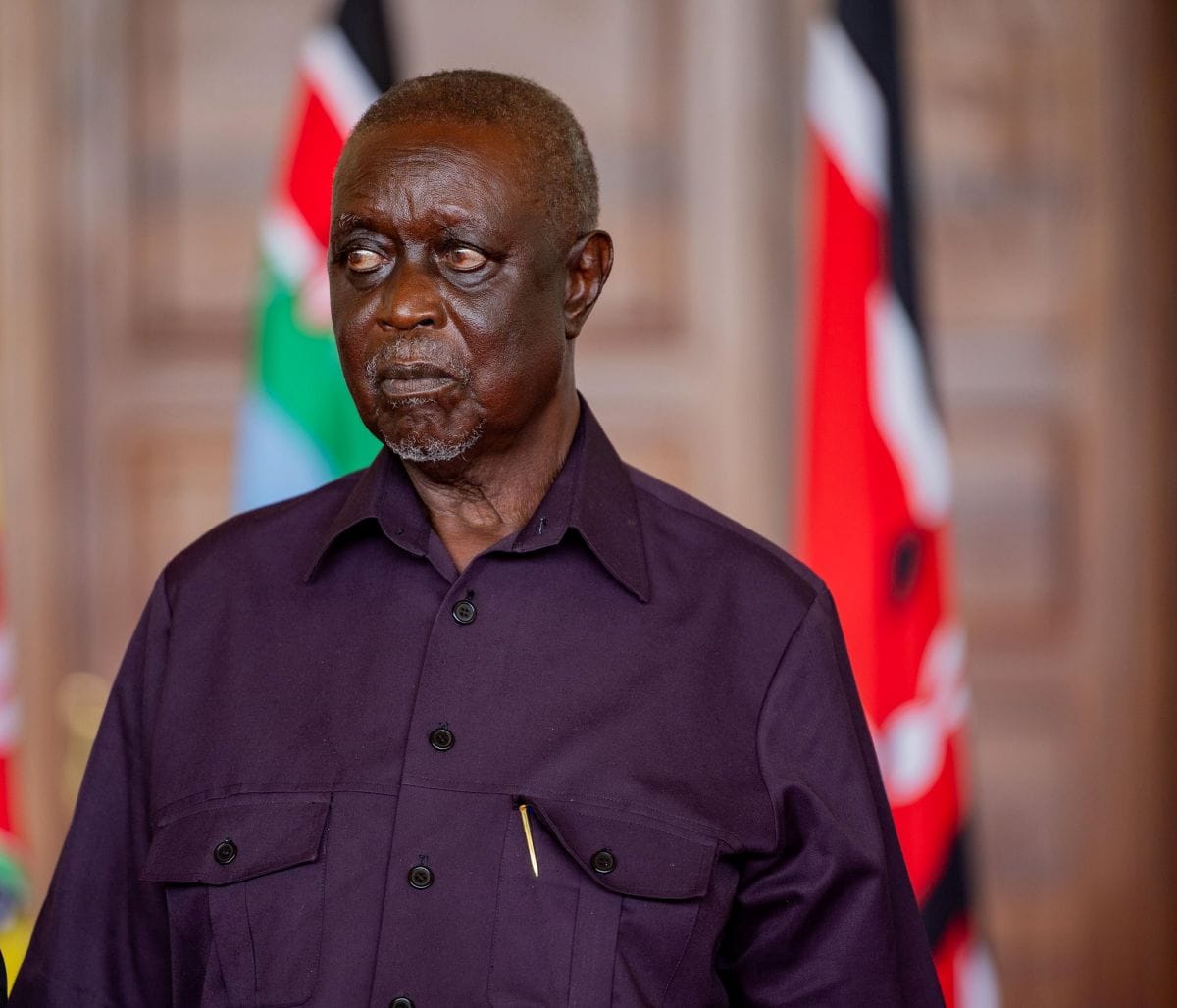
Oburu Odinga hands over opposition notes to the Gachagua team in a cheeky message that has Kenyans talking today, March 8, 2026. The leader of the ODM party mocked emerging opposition figures such as former Deputy President Rigathi Gachagua and Nairobi Senator Edwin Sifuna, inviting them to gather advice on how to endure extended periods without power, as the ODM is now transitioning into a government role.
Oburu made this clear in a statement. He directly addressed the “new opposition teams,” inviting them to gather insights on enduring long-term opposition. “We’re ready to hand over the opposition book because we’re joining the government. But he added a line about needing watchdogs: we still need people to keep the government in check, especially as we transition from opposition to governance and ensure accountability in our new roles. Gachagua, feel free to take the notes and share copies with Kalonzo and Sifuna.”
The tone carried a mix of sarcasm and confidence. Oburu made clear that ODM folks weren’t built to sit on the sidelines forever. ‘Our people were not born to stay in opposition forever,’ he said in related remarks. There is no need to abandon a broad-based arrangement when opportunities arise.
This ties into the ongoing shift where ODM has moved closer to President William Ruto’s administration through the broad-based government arrangement, indicating a strategic decision to prioritise collaboration and governance over opposition in light of changing political dynamics. After Raila Odinga’s passing, Oburu stepped up as party leader, and the party has leaned toward collaboration over constant rivalry, seeking to unify various factions and strengthen its influence within the government.
He didn’t stop there. Oburu continued by identifying himself as a true member of Generation Z. “I am called ‘Gen Z’ because I think like a young person. Even though my age has increased slightly, my thoughts continue to shift in the opposite direction. Gen Zs, don’t worry – I am your leader; I won’t disappoint you.” The claim drew laughs and eye-rolls online from some younger users who pointed out his actual age, but it also showed his effort to connect with the youth who shook things up in the 2024 protests.
The timing hits amid fresh political realignments. Reports show ODM holding meetings and pushing for more roles in government. Oburu has presided over party gatherings this year, signalling steady moves toward working inside the system rather than fighting it from outside, which reflects a strategic shift in ODM’s approach to influence government policies and secure more political power.
Meanwhile, Gachagua’s United Opposition group—pulling in names like Kalonzo Musyoka and others—tours places like Meru, hitting Ruto’s Mt. Kenya base and building their own momentum for 2027.
Sifuna’s wing inside ODM stays vocal against the government tilt, with some allies boycotting upcoming party events like the March 27 delegates’ convention. The split inside ODM adds layers: one side pushes cooperation for development and stability, advocating for collaboration with the government; the other holds firm on staying critical and independent, emphasising the need for accountability and opposition to government policies.
Oburu’s message lands like a veteran handing off the torch while keeping a foot in both camps. He urges the new opposition to step up as checks and balances, even as he positions ODM for influence in the current setup, emphasising the need for accountability and transparency in governance.
Social media lit up with reactions – some called it arrogant; others saw it as straight talk from someone who’s spent years in the trenches. Memes popped up showing notebooks labelled “Opposition 101” being passed around.
This announcement comes as Kenya heads toward 2027 with alliances shifting fast. Gachagua keeps rallying in opposition strongholds, promising change and targeting perceived weaknesses in Ruto’s hold on key regions, particularly focusing on issues such as economic disparities and governance challenges that resonate with the electorate. Kalonzo and others weigh in on unity talks. Oburu’s remarks serve as a reminder that politics in this region are dynamic, with the departure of one group paving the way for the entry of another.
For ordinary Kenyans watching, the exchange highlights ongoing debates: is it better to push from outside or work inside for results? Oburu bets on the latter for his party while inviting others to take the old role. Whether they pick up those notes or write their story remains the big question. As rallies and meetings multiply, the conversation only gets louder.
Related Posts

Crowds Chase Kimilili MP Barasa After Cash Runs Out
Angry crowds chased Kimilili MP Didmus Barasa through the streets of Kimilili on July 30 after cash ran out at his public event in Bungoma…
Edwin Sifuna Climbs Fast in 2027 Kenya Election Poll – TIFA Polls
Nairobi Senator Edwin Sifuna climbs fast in the 2027 Kenya election poll as opposition dynamics shift sharply. Voters now give him 15 percent support for…
Ruto Clashes With Sifuna Over Rural Affordable Housing Chickens.
President William Ruto traded sharp words with Nairobi Senator Edwin Sifuna over rural housing chickens’ plans during a fresh clash that spotlights deep divisions in…
Kiraitu Murungi Boldly Predicts Ruto 2027 Presidency ‘Mpende Msipende’
Veteran politician Kiraitu Murungi stood firm as he addressed growing frustration among Meru voters toward President Ruto. He declared that despite widespread anger and vows…