
President Ruto Deploys Military for Nairobi Flood Rescues

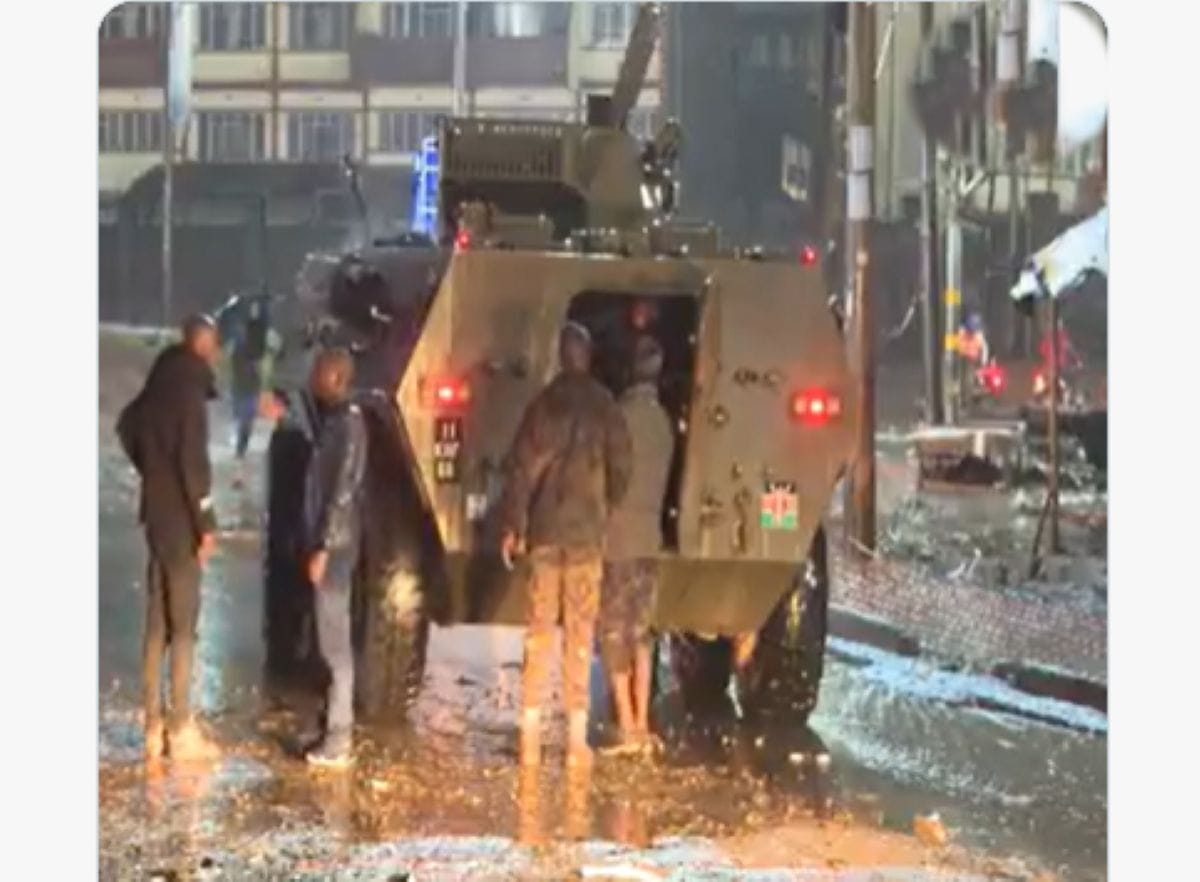
President Ruto deploys military for Nairobi flood rescues as relentless heavy rains since March 5 turn parts of the capital into a watery nightmare, prompting the Kenya Defence Forces to step in with boots on the ground to pull people from rising waters.
The move started late yesterday and continued into today, March 7, 2026. Troops joined county teams, the Red Cross, and fire units to help people who were stuck in flooded areas and on major roads get out.
The heavy rains fell hard, flooding drains that were only meant to handle lighter seasons. South B, Eastleigh, and parts of Mombasa Road that were low went under quickly, and cars floated or stopped in deep puddles. Cars were half-submerged on Uhuru Highway, so drivers had to leave them and wade to safety.
In residential areas, homes took in water through doors and windows, and families either piled their things on tables or ran to the roofs. A person who lived near Riverside said they heard screams as the water rushed in overnight. Neighbours helped each other climb higher until help arrived.
The KDF’s quick response team went out to help the National Disaster Operations Center and local emergency crews. Soldiers used boats when they could, carried people on their backs through chest-deep water, and made room for ambulances.
Reports say they focused on estates where people were cut off, getting families out of homes that were stuck and helping drivers get out of dangerous areas.
The deployment calmed some fears, especially after videos showed people stuck in cars as the water rose. So far, there haven’t been any deaths in the city, but the risk is still high since more rain is on the way.
This happened right after Governor Sakaja set up his own disaster teams and a command centre that was open 24 hours a day and told people to call hotlines for help.
The military’s involvement gives those efforts more strength, as they are trained to make quick, organised rescues in tough situations. President Ruto, who has faced questions on infrastructure before, signalled strong backing for the response, making sure resources flow fast to where they’re needed most.
People in Nairobi are very frustrated because they see this as just another predictable mess. Every rainy season, people complain about the same things: blocked drains, building on wetlands, and trash blocking waterways. There are a lot of pictures of cars that have been underwater and markets that have been flooded, like Muthurwa.
People are also asking for long-term solutions instead of short-term fixes. Some people remember promises of better drainage and wonder why the same places keep flooding. The nickname “Sea-Ngapo” keeps coming up. It’s a sarcastic reference to the idea of a city like Singapore that floods when it rains.
The Met Department holds the advisory open through March 9, saying showers and thunderstorms could keep dumping heavy loads. Counties around Nairobi face similar threats, with rivers swelling and low bridges impassable.
Authorities repeat the basics: don’t drive through floods, turn around if water covers the road, and head to higher ground if you’re near a river. The Red Cross keeps lines open, and county teams pump water where they can.
The effect is strong for regular people. Kids miss school again, traders lose money in the stock market, and workers can’t get to work. There will be mud and debris everywhere, and it will take days to clean up after the water goes down.
People who lost furniture or important papers will have a hard time for the next few weeks. But there are also times of kindness that stand out, like when neighbours share boats or strangers help push cars out of the way.
The military’s presence gives civilians peace of mind that help will come when they are stretched too thin. Soldiers and civilians work together to fight the water, sharing tools and knowledge.
This partnership shows how bad things got overnight. The main goal is still to save lives and get the city moving again, no matter how hard or soft the rain is.
Nairobi has been through big floods before, and it always comes back stronger. This round tests that strength again. President Ruto’s quick call to send in troops buys time for recovery, but everyone knows that the best way to fix things is to stop the next one from happening.
For now, be careful, pay attention to warnings, and help out when you can. The water will go down eventually, but you need to remember what you learned during these days.
Related Posts

Ruto: Sifuna ni fala anataka tusimamishe mradi wa Affordable Housing
President William Ruto stood before crowds in Eldoret, Uasin Gishu County, on Thursday, August 13, 2026, and branded Nairobi Senator Edwin Sifuna a fool for…

CO-OP BANK REPORTS A STRONG 17.3 PERCENT GROWTH IN PROFIT TO KSH…
Co-op Bank has posted a strong profit before tax of KSh 23.1 billion for the half year ended 30 June 2026, compared to KSh 19.7…
Ruto Demands Mandatory New Constitution for Vision 2060 Reforms
Kenyan President William Ruto told a national audience this week that the 2010 Constitution forces leaders to seek the people’s approval on major changes rather…

After Claims 2024 Gen Z Were From Illuminati, MP Kagombe Quits UDA
Gatundu South lawmaker Gabriel Kagombe walks away from the United Democratic Alliance this week as he eyes a fresh vehicle in Kenya’s mountain region. The…