
Seangapour: Nairobi Floods Submerge Muthurwa, Gikomba as Rains Continue

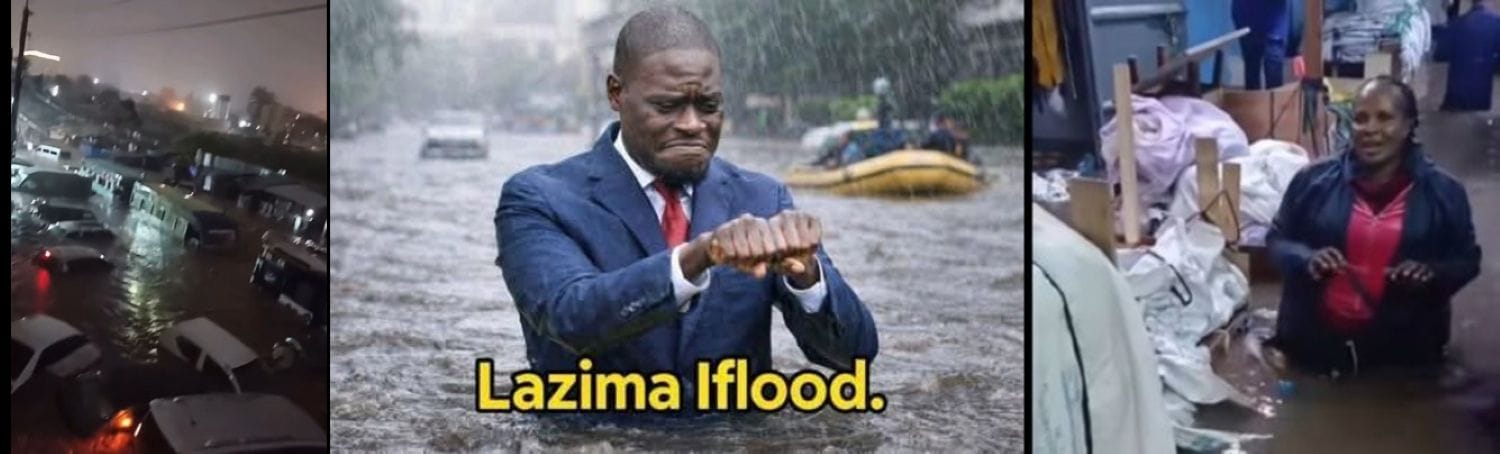
Nairobi floods submerge Muthurwa, Gikomba, and Parklands as heavy rains keep pounding the capital, turning streets into rivers and leaving residents scrambling for dry ground. Cars got swept away in rushing water, houses filled up fast, and low-lying spots like these markets and informal settlements turned into disaster zones almost overnight.
The downpours hit hardest this week, with the Kenya Meteorological Department warning that the peak falls between March 4 and 7, 2026.
In one day, more than 20 millimetres of rain fell in the Central Highlands, including Nairobi. This caused rivers to overflow their banks and old drainage systems to fail.
Muthurwa Market, usually full of people selling everything from clothes to fresh food, had underwater stalls, and vendors waded through knee-deep mud to save what they could. Gikomba, the huge second-hand clothing market, had the same kind of chaos, with parts of it flooded and sellers losing a lot of stock.
Paklands, another low area that is prone to flooding, said that houses and small businesses were flooded, forcing families to stack furniture on beds or move to higher ground with their neighbours.
Motorists faced the worst of it. Videos shared online show vehicles floating down roads near these areas, with drivers abandoning cars as water rose too quickly to escape. On connecting routes, traffic came to a halt, trapping people for hours or forcing them to return on foot.
One trader from Muthurwa told me he lost a whole day’s earnings when floodwater ruined his goods, adding that this happens every big rain, yet nothing seems to change.
Families living in nearby informal settlements woke up to water inside their homes. Parents tried to get it out with buckets while their kids cried. The constant rain made everything worse, and many people spent the night wet and cold.
Governor Johnson Sakaja found himself at the center of the rage. People on social media made fun of him and called the city “Sea-Ngapo”, which means “Singapore in the making”, as a sarcastic reference to his past promises to make Nairobi a modern, clean hub like Singapore.
People made fun of the capital for going underwater while billions of dollars were spent on projects that don’t fix basic things like drains. Some people shared old videos of Sakaja talking big about infrastructure, which they compared to new videos of markets that were underwater and people who were stuck. The jabs hurt, especially since there had been similar criticism and calls for action after earlier floods.
Sakaja’s team pushed back, saying county crews work around the clock to clear blockages where possible and respond to emergencies. They pointed to advisories urging caution and reminded everyone the rains come from weather patterns beyond local control.
However, residents contend that the issue extends further. Poor drainage, blocked waterways from illegal dumping or building, and concrete everywhere that stops water soaking in all play a part. Informal settlements like those near Muthurwa and Gikomba suffer most because they sit in natural low points without proper channels to carry runoff away.
The Met keeps the alert active until March 9, predicting more showers that could worsen things before easing.
Rescue teams are ready to help, and the Red Cross tells people to stay away from flooded roads and rivers. There haven’t been any major injuries in the city yet, but the risk is still high because driving at night is hard and flash floods happen quickly.
This round of rain reminds everyone how easily Nairobi’s weather can change. Markets that feed thousands come to a stop, workers lose money, and families have to deal with the mess.
People in Gikomba are wondering how long it will be before they can fully reopen, and people in Parklands are hoping the water level goes down soon so kids can go back to school without having to wade through mud. Governor Sakaja is under pressure to follow through on long-promised repairs, like fixing the drains and clearing the riparian zones.
The city is holding its breath between showers, hoping the worst passes quickly and the lessons stick this time. Stay safe, stay informed about the news in your area, relocate your valuables to a higher location, and monitor the water level. Nairobi is capable of handling storms, but each one demonstrates its readiness.
Related Posts

Ruto: Sifuna ni fala anataka tusimamishe mradi wa Affordable Housing
President William Ruto stood before crowds in Eldoret, Uasin Gishu County, on Thursday, August 13, 2026, and branded Nairobi Senator Edwin Sifuna a fool for…

CO-OP BANK REPORTS A STRONG 17.3 PERCENT GROWTH IN PROFIT TO KSH…
Co-op Bank has posted a strong profit before tax of KSh 23.1 billion for the half year ended 30 June 2026, compared to KSh 19.7…

Ruto Demands Mandatory New Constitution for Vision 2060 Reforms
Kenyan President William Ruto told a national audience this week that the 2010 Constitution forces leaders to seek the people’s approval on major changes rather…

After Claims 2024 Gen Z Were From Illuminati, MP Kagombe Quits UDA
Gatundu South lawmaker Gabriel Kagombe walks away from the United Democratic Alliance this week as he eyes a fresh vehicle in Kenya’s mountain region. The…