
Sweden Cat Law Bans Leaving Pets Alone All Day

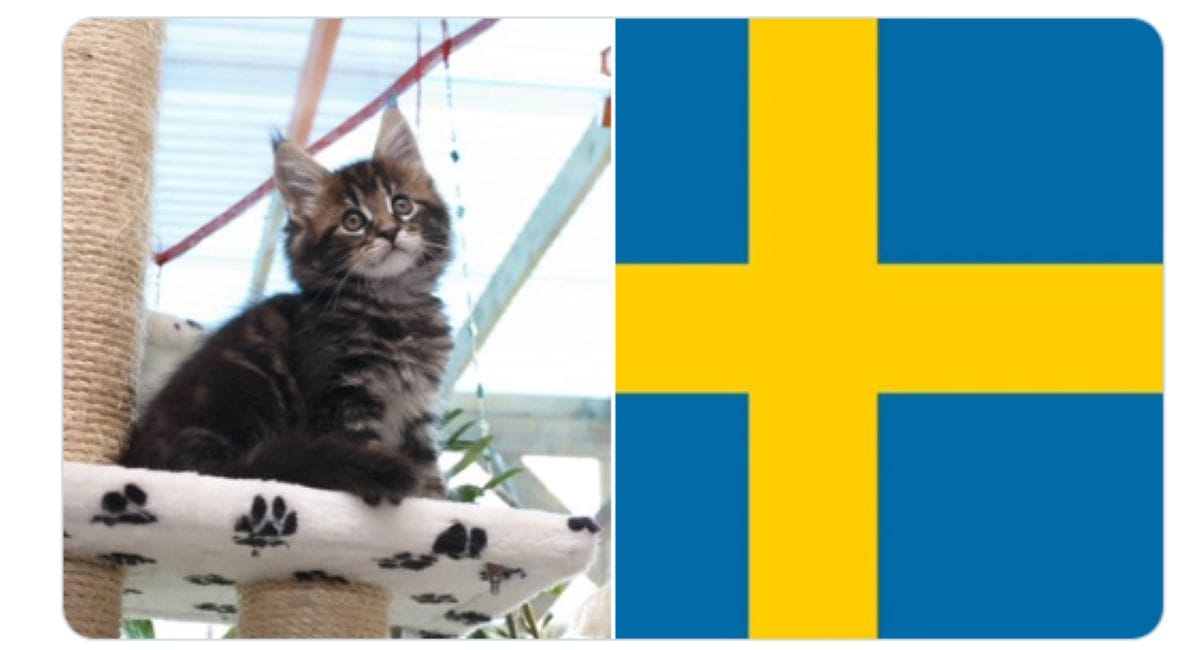
The Sweden cat law has pet owners across the country scrambling to adjust their routines after a new rule made it illegal to leave cats home alone for long stretches.
Under the updated animal welfare rules, cats must now be checked on at least twice a day and given proper scratching posts, elevated resting spots and plenty of mental stimulation to keep them happy and healthy. Anyone caught breaking the law faces fines or even worse penalties, including possible removal of the animal in serious cases.
The change came after years of debate about modern pet care. Lawmakers pointed out that many Swedes work long hours or travel often, leaving their cats to fend for themselves.
Cats are naturally independent, but experts say too much isolation can lead to stress, boredom and destructive behaviour. The new law aims to make sure every cat gets regular human contact, fresh water, clean litter and toys or activities that mimic hunting and climbing.
Pet owners have mixed feelings about the rule. Some say it is common sense and long overdue. One Stockholm cat lover named Anna told me she already checks on her two cats during lunch breaks and sets up puzzle feeders before leaving for work.
She thinks the law will push more people to plan better and maybe even adopt in pairs so the animals can keep each other company. Others worry it is too strict for busy families. A young professional in Gothenburg said his job requires late nights and weekend shifts, making twice-daily visits tough without hiring help.
Shelters and vets are already seeing more people asking for advice on enrichment ideas. Some rescues have started offering free workshops on how to cat-proof homes and set up daily routines that fit around work schedules.
Animal rights groups cheered the move, calling it a step forward for Sweden’s strong welfare standards. They note that dogs have had similar protections for years, and cats deserve the same attention.
One activist said cats hide their stress, so owners often miss the signs until it is too late. The new law forces people to pay closer attention and could reduce the number of cats surrendered to shelters because of behavioural issues.
Critics argue the law is hard to enforce. Police and animal control officers already have full plates, and checking on every cat in Sweden sounds impossible. Fines start small but can grow if owners ignore warnings.
In extreme cases where cats are left alone for days, the authorities can step in and rehome the animal. That part worries some people who fear overreach, but supporters say it protects the most vulnerable pets.
The timing feels right for many. Remote work has changed daily life for some, but others are back in offices full time. The law pushes everyone to think creatively. Cat cafes and pet sitters are already experiencing an increase in bookings.
Apps that remind owners to check on pets or order automatic feeders are seeing a surge in downloads. Even big pet stores have stocked up on affordable cat trees and puzzle toys to meet the new demand.
Sweden has a reputation for caring deeply about animals. This latest rule fits that tradition and puts the country ahead of many others when it comes to pet rights.
For now Swedish cat owners are learning to balance their busy lives with their furry friends’ needs.
The Sweden cat law is already sparking conversations in offices and online groups. People share tips for quick midday visits or ways to make homes more cat-friendly on a budget. The message is simple: cats are not decorations; they are family members who need attention and stimulation every single day.
As the rules settle in, the hope is that happier, healthier cats will mean fewer vet visits and less stress for everyone. The law may feel strict at first, but many are starting to see it as a kind reminder that our pets rely on us more than we sometimes realise. Sweden is leading the way, and the rest of the world is taking notes.
Related Posts

President Museveni Calls Sex Denial In Marriage Jailable Offense
Uganda President Yoweri Museveni stirred fresh controversy when he declared denying your partner sex a big offence that could land people in jail. The veteran…

Uri Geller Cancels Witch Doctor Nana Kwaku Curse on Harry Kane
Uri Geller stepped in to cancel the witch doctor’s curse on Harry Kane right before England faced Ghana in the World Cup. The Israeli-British illusionist…

Didier Deschamps Mourns Mother’s Death Ahead of Norway Game
France national team coach Didier Deschamps faces sudden heartbreak as news of his mother’s death spreads through the football world. The long-time leader will fly…

JD Vance Delivers Blunt Warning to Netanyahu Government
Vice President JD Vance issued a fierce warning to Benjamin Netanyahu’s cabinet on Thursday against undermining their crucial American partnership over President Donald Trump’s new…