
Vitron TVs Leave Users Listening Like Radio Over Screen Fails
 E. Njeri — March 31, 2026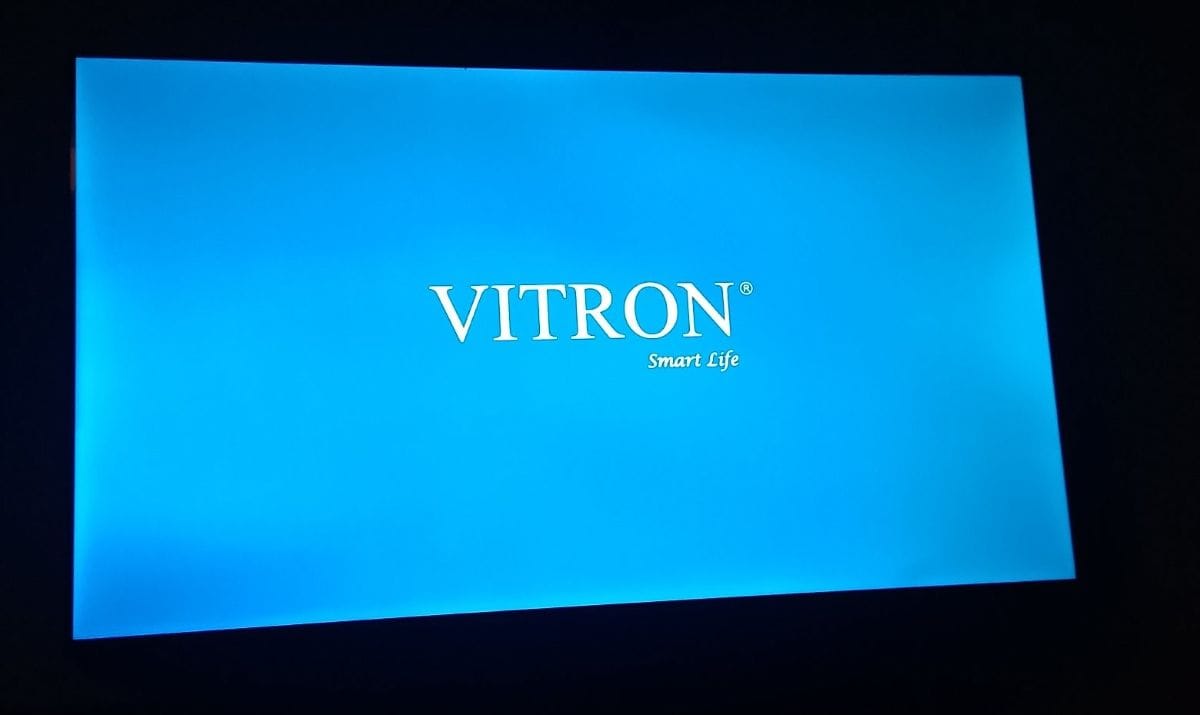
Vitron TVs leave Kenyans listening like radio after the screen fails, and the stories have flooded social media groups and online marketplaces in the past few weeks. Buyers who picked up the budget sets for their low prices now find themselves staring at blank panels while the sound keeps playing.
The LED strip lights inside many units give out after just one month or occasionally a little longer. What starts as a bright picture turns into a dark screen and forces owners to treat their television like an old radio.
The complaints started small but grew fast once people compared notes. One man in Nakuru posted that his forty-two-inch model went black after twenty-three days. He had used it gently in the living room, yet the backlights simply stopped working.
Another buyer in Kisumu described how her set lasted three months before the same issue hit. She could still hear the news, but the picture stayed pitch dark regardless of what button she pressed.
Repair shops report the same fix every time. They replace the entire LED strip, which costs almost as much as the original television in some cases. That leaves many owners stuck with a half-working device or forced to buy something new.
Vitron built its name on affordability. The brand offers big screens at prices that fit tight household budgets across Kenya. Families who could never stretch to the big international names turned to these sets for football matches, evening dramas and school lessons streamed online.
At first the picture looks sharp and the sound comes through clear. That first impression sells thousands of units every month in shops from Nairobi to Eldoret.
Yet the excitement fades when the lights die and the warranty process begins. Many say the company takes weeks to respond or asks buyers to ship the heavy set back at their own expense.
Online discussions reveal a split in opinions. Some owners defend the brand and say they have run their sets for over a year without trouble. They point out that proper ventilation and avoiding direct sunlight can help the lights last longer.
Others share tips like lowering brightness settings or turning the television off completely when not in use. Still the majority of voices describe the same sudden failure.
They feel let down because they saved carefully for the purchase only to face the same problem again. One mother from Mombasa wrote that she bought the television for her children during the school term, and now they crowd around a phone screen instead.
The issue ties back to how these budget models are built. Manufacturers often use basic LED strips to keep costs down. In hot and dusty Kenyan homes the strips work extra hard and wear out faster than in cooler climates.
Dust collects inside the panel and heat builds up until the lights start to flicker and then go out completely. Repair experts say this happens more with cheaper brands because the components lack the protective layers found in higher-end sets.
Shops that sell Vitron sets notice the returns. Some sales assistants quietly advise buyers to stretch their budget if they can or to ask about extended warranties. Others push the brand because it moves quickly off the shelves.
The gap between what the box promises and what actually arrives leaves many feeling tricked. Social media pages dedicated to consumer rights have picked up the stories and encouraged people to post their experiences with serial numbers and dates of purchase. A few users even started a running list of affected models so others can check before they buy.
The conversations have moved beyond simple frustration. Parents talk about how the broken screen affects family time and children miss their favourite programmes.
Small business owners who bought sets for waiting areas or shops say the failure hurts their daily operations. One barber in Eldoret explained that his customers used to stay longer when the television ran, but now they leave early.
At the same time the brand still has loyal fans who have not faced the problem yet. They remind everyone that no television lasts forever and proper care matters.
Others recommend checking reviews on specific models before handing over cash. The key message that repeats across the posts is simple. Price alone does not tell the full story. Buyers need to weigh how long they expect the set to last against the money they save at the start.
People keep tagging the company and sharing side-by-side photos of working sets next to dark ones. Some call for clearer warranties and faster repairs, while others simply warn friends to think twice. For families on tight budgets the situation feels especially tough.
They want a reliable screen without spending a fortune, yet the current options keep letting them down. The discussions highlight a bigger truth about shopping for electronics in Kenya. What looks like a bargain can turn expensive when quality corners get cut.
In the meantime the advice from those who already dealt with the issue stays consistent. Check the return policy carefully, test the set thoroughly in the first weeks and keep the receipt safe.
For many the lesson came the hard way after the screen went dark and the sound kept playing like a radio in an empty room. The stories keep spreading because they touch something familiar.
Related Posts

Sony Ends Physical PlayStation Discs Starting January 2028
Sony Interactive Entertainment drops a major update that shakes the gaming world as PlayStation Digital Only takes over for all new titles from January 2028.…

Khalif Kairo Launches Uber for Plane Bookings in Kenya
Khalif Kairo just rolled out a sleek private plane booking platform that lets travellers in Kenya summon flights with a few taps on their phones.…

PUBG Mobile & Infinix Ignite Kenya Varsity Showdown With $1,000 Prize Pool…
Nairobi, Kenya – PUBG MOBILE and Infinix have officially announced the launch of the PUBG MOBILE Varsity Showdown (PMVS), a nationwide university esports tournament designed…
Nairobi PayPal Loading Scam BANS Hundreds of PayPal Accounts
The Nairobi PayPal loading scam has left hundreds of local accounts banned and their owners staring at huge negative balances they never expected. The trick…