
‘I did my thesis in AI in 1992’ Wavinya shakes Machakos 2027 race

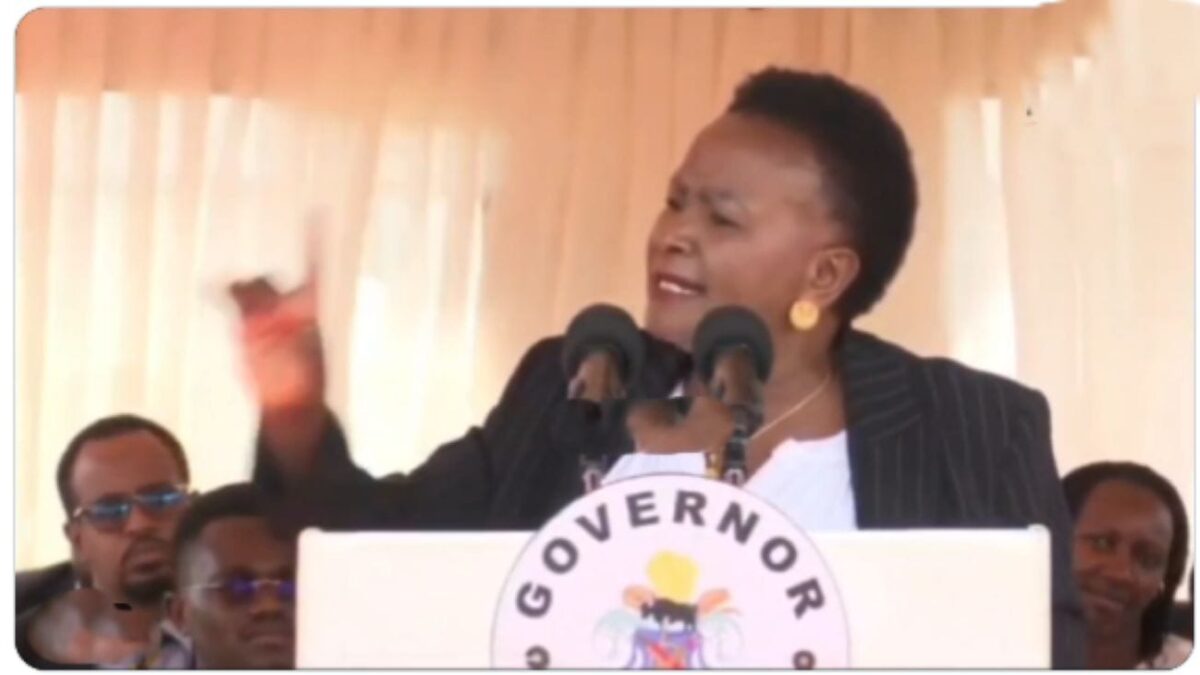
Machakos Governor Wavinya Ndeti’s AI thesis claim has stunned many as she proudly declares she completed her work on artificial intelligence way back in 1992 and holds three full degrees. The bold revelation came during a recent public address where she made it clear she sees herself as far more qualified than anyone eyeing her seat in the 2027 race.
“I did my thesis in AI in 1992; I have three degrees.” Machakos Governor Wavinya now reveals that she is more learned than those who are looking for a seat come 2027. She says she is better than all Machakos professionals with just one degree.
She spoke with confidence and reminded the crowd that she earned three degrees while most professionals in Machakos manage only one. Wavinya told supporters she did not just study ordinary courses. Her thesis focused on artificial intelligence at a time when the field was still brand new and barely known outside a few labs.
That early start she said gives her an edge no one else in the county can match. She went on to say she stands head and shoulders above every challenger because real education shows in the work you do, not just the paper you carry.
The governor did not stop at her own record. She looked straight at the professionals in the room and said many of them hold only one degree, yet they talk as if they can run the county better than she can. Her message landed hard. Some listeners clapped while others shifted uncomfortably.
Wavinya has led Machakos through busy years of road projects, market upgrades and health centre improvements. She reminded everyone that results matter more than certificates, and her three degrees simply back up the progress people already see on the ground.
News of her 1992 AI thesis spread fast once the video hit social media. In 1992 computers were still rare in most Kenyan homes, and artificial intelligence felt like something from science fiction movies. Hearing that a young Wavinya tackled the topic then shows she was thinking ahead of her time.
Supporters called it impressive and said it proves she brings fresh ideas to governance. Critics, however, wondered why she waited until now to mention it and whether the claim would hold up if anyone checked old university records.
Locals in Machakos have mixed feelings about the whole exchange. A market trader in the town centre said she likes that the governor is fighting back against people who only talk big. Another resident who works as a teacher pointed out that three degrees do not automatically make someone a better leader, but at least Wavinya is showing she took her studies seriously.
Young graduates in the area listened closely because many of them hold one degree and now wonder if the governor was directing her words at them. The debate has even reached university students who joke that they need to hurry up and earn extra qualifications before 2027.
Wavinya has never been shy about defending her record. She has faced questions before about her leadership style and development pace, yet she keeps pointing to visible changes in the county.
This time she chose to lean on her academic background to push back against potential challengers. Her message seems aimed at anyone thinking of running against her. She wants voters to remember that experience and education both count, and she brings plenty of both to the table.
The timing feels strategic too. With 2027 still some time away, early positioning has already begun. Names of possible contenders float around in political circles, and Wavinya clearly wants to set the tone.
By highlighting her 1992 thesis, she draws a line between herself and anyone she sees as less prepared. Whether that approach wins votes or creates fresh opponents only the coming months will tell. For now the county is paying attention, and the conversation refuses to die down.
Many Kenyans outside Machakos have also joined the discussion. Some see it as a refreshing change from politicians who focus only on money and connections. Others say leaders should talk more about solving today’s problems instead of listing old achievements.
Still, the idea of a governor claiming an early AI thesis catches the eye because artificial intelligence dominates conversations right now. From chatbots to smart farming, the topic feels modern, and Wavinya has reminded everyone she touched it decades ago.
As the story continues to spread, Wavinya stays focused on her daily work. She has county meetings to run projects to check on and people to listen to. The 2027 race feels far off to some, but her strong words have made it feel closer.
Supporters say she is simply stating facts while critics call it campaign talk early. The governor herself seems unbothered by the noise. She believes her three degrees and that long-ago thesis speak for themselves, and she is ready to let voters decide in the end.
The whole episode shows how education still carries weight in Kenyan politics even when experience matters just as much. Wavinya has thrown down a challenge wrapped in her academic record, and the county is now watching to see who picks it up.
Related Posts
Coast Panic Grows Genital Theft Hoax Sparks Deadly Attacks
Fear grips streets across Mombasa and nearby counties as residents chase strangers over wild genital theft rumours. Officials now sound the alarm on this hoax…

Kilifi Madaraka Day Chaos Leaves Mung’aro Shaken
Kilifi Governor Gideon Mung’aro shocked crowds in Kilifi County on Sunday after panic erupted during a Madaraka Day celebration when a young man rushed toward…

Mwiki Principal Bullies Form 4 Boy Over Same Girlfriend Rivalry
A Form 4 student at Bookshine High School in Mwiki now bears deep scars on his back after relentless bullying by his own principal Titus…

Sakaja Hands Arsenal Fans KSh 50,000 After EPL Title Win
Nairobi Governor Johnson Sakaja gifts Arsenal fans KSh 50,000 and transport to Bondo after EPL title win. Read how celebrations filled CBD streets with joy…