
Inspector Mwala Sues Awinja and Coca-Cola for Sh163M Over Ka-Mwala Campaign

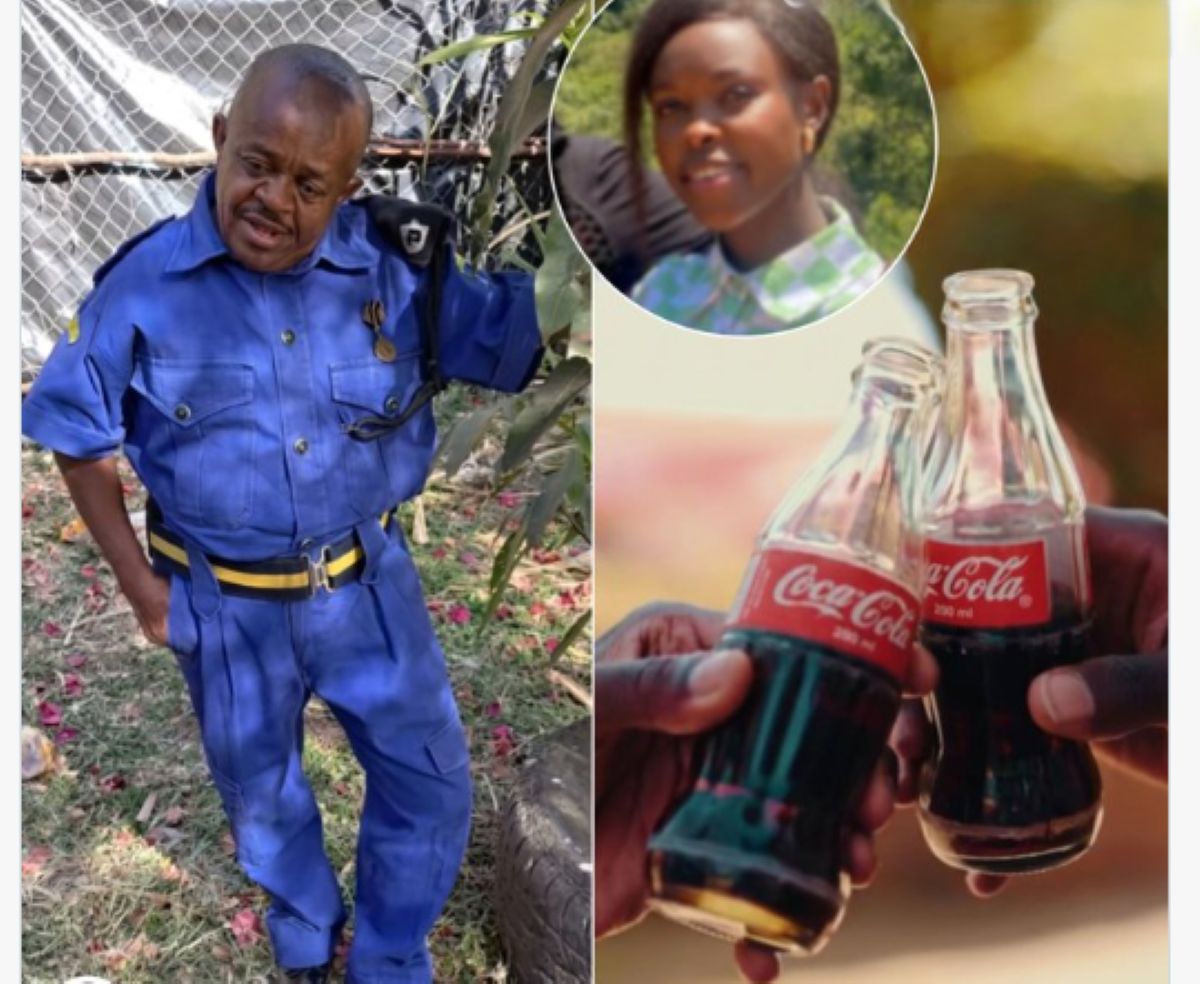
Inspector Mwala sues Awinja and Coca-Cola for Sh163 million over the ‘Ka-Mwala’ campaign, and the case has already set tongues wagging. The veteran actor and comedian who made the bumbling Inspector Mwala character famous on Vitimbi has taken the soft drink giant and popular star Awinja to Nairobi’s Commercial High Court over a new bottle promotion that he says steals his hard-earned fame.
Mwala claims the whole thing started when Coca-Cola launched its ‘kachingching na Coke’ push for the small 300 millilitre bottles back on May 14 last year. They nicknamed the tiny size ‘ka-mwala’ in street slang and put Awinja in the social media adverts to sell the idea.
To Mwala, that name sounds far too close to his own trademarked persona. He first created Inspector Mwala more than ten years ago and even secured copyright protection that runs all the way until 2030.
He built a loyal fan base through the long-running Vitimbi show, where millions tuned in every week to watch his funny police sketches full of mix-ups and classic one-liners.
Now he argues the campaign confuses his audience and makes money off a character he spent years shaping. The lawsuit filed in the Commercial High Court seeks more than just money.
Mwala wants the court to stop the adverts immediately, force Coca-Cola to give the bottle a new name and hand over a full account of every shilling earned from the promotion.
On top of that, he is asking for 163 million shillings in damages to make up for what he says is lost income and damage to his brand. Lawyers for the actor insist the link is no accident because the slang ‘ka-mwala’ points straight back to his TV role, and the timing of the campaign came right when his old sketches still play on repeat on local stations.
Coca-Cola has not yet given a full public reply in court, but the company has used the term ‘ka-mwala’ in its marketing for months. Supporters of the brand say the name is just common street talk for anything small and handy.
They point out that many products borrow everyday words without stepping on anyone’s toes. Awinja herself appears in the adverts smiling and dancing with the tiny bottle in hand, and fans of her comedy work have defended her, saying she probably had no idea the name might cause trouble.
The case has split opinions right down the middle. Some Kenyans who grew up watching Vitimbi side with Mwala and say big companies should respect local creators instead of cashing in on their ideas.
They remember how the Inspector Mwala character became part of daily conversation with people quoting his lines at work and in matatus. Others feel the lawsuit stretches things too far because slang belongs to everyone and no one can own a simple description of a small bottle.
Online forums fill with jokes about whether every street word will end up in court next while serious voices ask what this means for young creators trying to protect their work.
Mwala has stayed mostly quiet since filing the papers, but those close to him say the move comes from years of watching others profit from similar ideas without sharing the benefits. He built his career the old-fashioned way through stage performances and television appearances that reached homes across the country.
The court will now decide how far protection for a public figure’s image really stretches. Hearings could stretch for months as both sides bring witnesses and marketing experts to explain whether ka-mwala counts as fair use or clear infringement.
In the meantime, the small Coke bottles keep selling fast in shops, and the adverts keep running on phones and television screens. Mwala’s fans hope the case sets a stronger example for Kenyan talent so that big brands think twice before borrowing from homegrown stars.
This lawsuit shines a light on the tricky line between everyday language and personal brand in Kenya’s fast-moving entertainment world. Creators like Mwala spent decades building characters that feel like family to viewers, and they want to keep control over how those characters get used.
Whatever the final ruling, the story of Inspector Mwala suing Awinja and Coca-Cola for Sh163 million already has people talking about fairness in business and creativity. It reminds everyone that behind the laughs and the adverts sit real people who poured time and talent into something they hope lasts.
Related Posts

Paul Mburu Muthumbi, Mbukinya Founder, Dies, Leaving Legacy
Paul Mburu Muthumbi built Mbukinya into one of the longest-running public service vehicle companies through sheer grit before he passed away recently. The Limuru entrepreneur…

Businesswoman Demands Justice After Mitumba Military Bale Scam
A woman paid Ksh 48,000 for a bale of mitumba, just a standard bale of second-hand clothes, yet sellers delivered military uniforms from overseas instead.…

Lumumba Vea Signs Rexona Deal at 2026 World Cup
Congolese superfan Lumumba Vea signs Rexona deals with the 2026 World Cup in Mexico after his motionless tribute pose captured global attention. The passionate supporter…

Doky Dorcas Sets New Guinness Record for Fastest Chapatis
Doky Dorcas claimed the title for the fastest chapatis when she whipped up three fresh ones in record time at Ongata Rongai on December 15,…