
MP Zaheer Jhanda Sets Over Ksh500 Handout Rule for Rivals

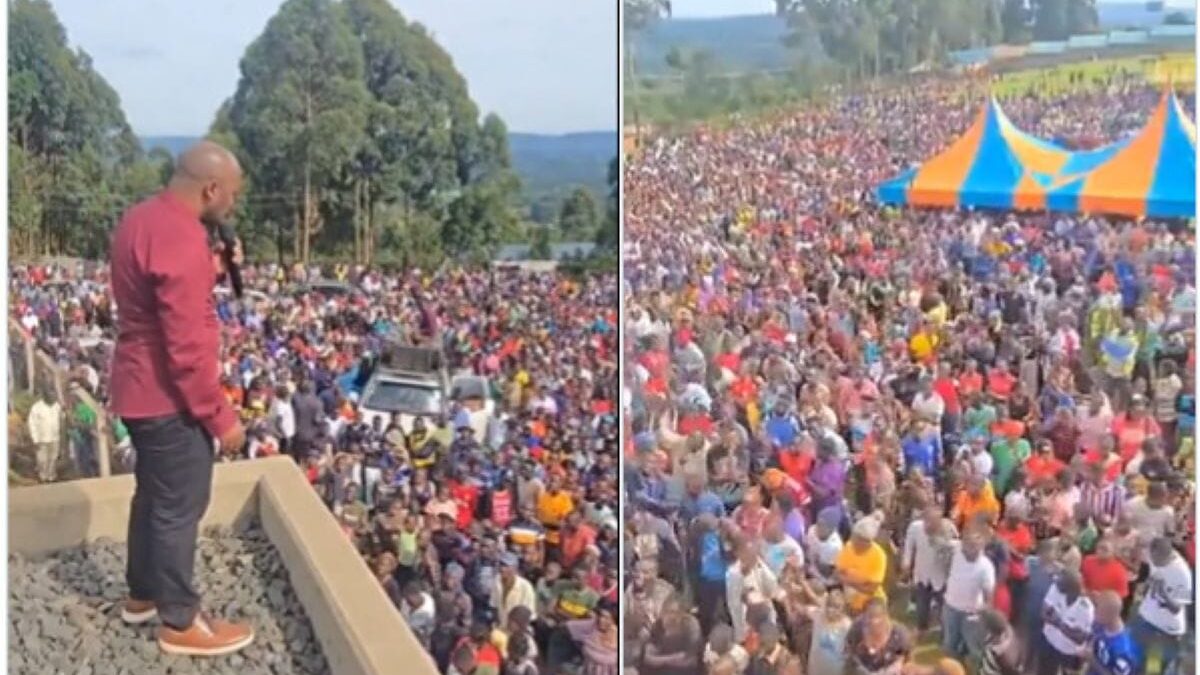
Zaheer Jhanda sets a Ksh500 handout rule for rivals, and the clip from his speech has left many Kenyans stunned and angry. The Nyaribari Chache MP stood in front of a massive crowd and declared that any politician who wants to step on the ground in his constituency must be ready to give constituents at least five hundred shillings or more.
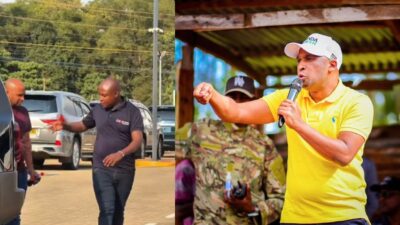
He spoke from a raised concrete platform overlooking a sea of people gathered on a grassy field dotted with bright orange and blue tents. Dressed in a maroon shirt and dark trousers Zaheer Jhanda held the microphone firmly and gestured with his free hand as he made his point.
He told the crowd that handouts have become the new standard for politics, and anyone who cannot meet that minimum should stay away. The message was blunt. If you cannot afford to give five hundred shillings and above to the people, then do not bother showing up because you will not be allowed on the ground.
The video captured the moment perfectly. Behind him green hills and trees stretched into the distance while thousands of supporters below cheered, clapped and waved. Some raised their hands in agreement; others simply listened intently.
The MP did not mince words. He framed the rule as a way to protect his constituents from leaders who make empty promises without offering immediate help. In his view politics in the area has reached a point where small cash gifts have become the bare minimum for respect and access.
People across Kenya reacted fast once the clip spread. Many called the statement open voter bribery and said it shows how low some leaders have sunk.
The speech comes at a time when campaigns for the next election are already heating up in the Kisii region. Nyaribari Chache sits in an area where competition is fierce and voters have grown used to handouts during rallies and door-to-door visits.
Zaheer Jhanda appears to be drawing a line in the sand telling his opponents they must match or exceed what he and his team are already doing. He did not name any specific rivals, but the message was clear enough for everyone in the crowd to understand.
Local residents who watched the video had mixed feelings. Some said the MP was right to set a high bar because past leaders have visited empty-handed and left without helping.
The clip has sparked wider talk about the role of money in Kenyan elections. Many young voters on social media said they are tired of this culture and want leaders who offer real solutions rather than cash at the gate.
A few older residents remembered times when campaigns were about ideas and manifestos, not about how much someone could hand out on the spot. The MP’s words have forced everyone to confront how deeply this practice has taken root in some constituencies.
His team reiterated parts of the speech, asserting that he was expressing a truth that many politicians only whisper but never openly state. Supporters in Nyaribari Chache praised him for putting the people first and making it clear what they should expect from anyone who wants their vote.
Critics, however, have called on the Independent Electoral and Boundaries Commission to take note, arguing that such open talk about minimum handout amounts is buying support.
As the video continues to circulate, the conversation has moved beyond one MP and one constituency. It now touches on the bigger question of how Kenya’s democracy works when cash becomes the main language between leaders and voters. Families in Kisii and across the country are watching to see whether other politicians will follow Zaheer Jhanda’s lead or push back against the idea. For now the standard has been set at five hundred shillings and above, and the ground in Nyaribari Chache belongs to whoever can meet it.
Related Posts
Baha Tyler Mbaya Kamau Forex Defense Sparks OnlyFans Debate
Influencer Baha faces fresh waves of online heat after leaks exposed his activities. Tyler Mbaya Kamau steps forward with a Forex defence spark. The OnlyFans…
South Ward Aspirant Rashid Biliki Clashes With Officials Over Waste
Rashid Biliki confronted county officials during a tense inspection in Nairobi on Tuesday and soon found himself apprehended after reports surfaced about untreated waste spilling…
Kwale Senator Reveals Ruto Paid Son in Dubai Medical Fees
Kwale Senator Issa Juma Boy stepped forward and praised President William Ruto after the leader paid his son’s medical fees in Dubai three months ago…
Zaheer Jhanda Buys Three Luxury SUVs for Bad Kisii Roads
Nyaribari Chache MP Zaheer Jhanda snapped up three luxury SUVs to cruise through the muddy tracks of his Kisii constituency as he ramps up election…