
Nairobi PayPal Loading Scam BANS Hundreds of PayPal Accounts
 Tom Koech — April 10, 2026

The Nairobi PayPal loading scam has left hundreds of local accounts banned and their owners staring at huge negative balances they never expected. The trick targets everyday Kenyans who get pulled into quick money deals that sound too good to pass up but end in total disaster. Let dive in to the wash wash paypal loading syndicate in Nairobi.
How the Nairobi PayPal loading scam actually works
It starts with the seller asking for your PayPal account to make you (victim) money, and you will get hundreds of thousands, if not millions. Then you give them your PayPal email to do the PayPal loading, and you see money streaming into your PayPal account.
How is it done by the PayPal loaders? It begins when a seller in Kenya connects with a fake buyer overseas, often from Mexico, Brazil, Thailand or Myanmar. The buyer claims to want certain goods and pays more than the agreed price straight into the victim’s PayPal account instead of the real seller’s.
Then the overseas buyer contacts the seller, saying that he/she has sent the money (loaded) to the victim’s account, and tells the seller to let the victim’s account withdraw the cash. The seller calls the owner of the PayPal account to withdraw and send it to him via either mobile money or other means.
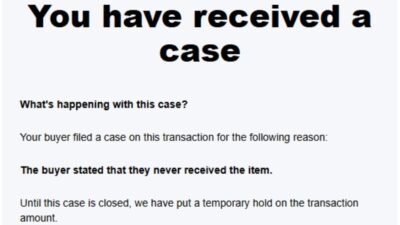
The seller gives a certain percentage to the PayPal-loaded account owner and takes the rest. The seller takes also a cut and sends back the rest through crypto to the buyer. Once that transfer happens, the buyer files a complaint with PayPal saying the goods never arrived. PayPal freezes the money in the account and refunds the buyer, and the Kenyan seller wakes up to a negative balance that keeps growing with fees.

One victim from South B shared how he thought he had landed easy money. Two men Brian Njoki and Gerry promised him that his paypal account will generate over Sh 500K for him in just one week. The victim gave them his paypal email and in the evening money began to pour in. He received money after being promised that he would get more after 2 or 3 deals of several thousand dollars. He withdrew it, sent the share as instructed and waited for his percentage and got his 10-20 per cent. Days later PayPal hit him with a message about a buyer dispute.
The hold turned permanent. His account balance went deep into the red, and PayPal eventually shut it down completely. He lost the original money he sent plus extra charges for high-volume disputes because his account sat in a higher tier with bigger limits. The same money which was loaded on this account is also loaded on a different account, and the cycle goes on.

Why PayPal ends up banning so many Nairobi accounts
PayPal sends a clear final notice once the case closes. The message explains that the account linked to another with unresolved issues and that services can no longer be offered.
The account gets permanently deactivated. Anyone in the high-tier bracket also faces a steep high-volume dispute fee on top of everything else. Victims can still view old transaction history or download statements, but the account itself is finished.

The scammers simply move on to the next Kenyan with a fresh PayPal account that has limits between $5K and $50K. They repeat the cycle, and the losses keep piling up for locals who never see the cash again.
Another common twist is called the PayPal overpayment scam.
This version often starts on places like Facebook Marketplace. A buyer offers to pay through PayPal instead of meeting in person. They send more money than the item costs and then ask the seller to refund the difference right away.
If the payment came from a stolen credit card, the money disappears from the seller’s account once the bank reverses it. The seller loses both the item if they already shipped it and the refund they sent. The scam feels simple, but it catches people off guard because the extra money looks like a genuine mistake at first.
How everyday Kenyans can protect themselves from these traps
The safest rule is to never share your PayPal details with strangers promising fast cash for helping with transfers. If someone offers thousands for a few minutes of work, walk away.
Always verify that any payment has fully cleared in your account before you send goods or refund anything. When selling online, stick to the platform’s own payment system and avoid moving the deal to PayPal unless you are standing face to face with cash in hand.
Check your account activity daily and set up alerts for any unusual transactions. If something feels off, contact PayPal support immediately instead of following instructions from the buyer.
Many Nairobi residents who lost money say they wish they had asked more questions before touching the extra funds. One young woman from Buruburu described how she sent back $1K after an overpayment only to watch her balance drop to negative two thousand the next week.
She had used the account for small online sales and never imagined it could be wiped out so fast. Stories like hers keep surfacing as more people realise they are not alone in the mess.
The scam highlights how clever fraudsters have become at using trusted apps against regular users. PayPal works hard to protect its customers, but the system still relies on people making smart choices.
Kenyan users who rely on the app for freelance work or small business payments need to stay extra careful right now. The Nairobi PayPal loading scam shows no signs of slowing, and each new victim adds to the growing list of banned accounts that started with what looked like easy money.
As authorities and PayPal continue to investigate the pattern, the message for everyone remains simple. Protect your account like you would protect your wallet. Think twice before helping strangers move large sums and never send money back before the original payment is rock solid.
The cost of one wrong move can shut down your PayPal world for good and leave you chasing refunds that never come. Stay alert out there because the next offer that sounds too perfect probably is still coming. Comment below for any clarification or question.
Related Posts

Sony Ends Physical PlayStation Discs Starting January 2028
Sony Interactive Entertainment drops a major update that shakes the gaming world as PlayStation Digital Only takes over for all new titles from January 2028.…

Khalif Kairo Launches Uber for Plane Bookings in Kenya
Khalif Kairo just rolled out a sleek private plane booking platform that lets travellers in Kenya summon flights with a few taps on their phones.…

PUBG Mobile & Infinix Ignite Kenya Varsity Showdown With $1,000 Prize Pool…
Nairobi, Kenya – PUBG MOBILE and Infinix have officially announced the launch of the PUBG MOBILE Varsity Showdown (PMVS), a nationwide university esports tournament designed…
Nairobi PayPal Loading Scam BANS Hundreds of PayPal Accounts
The Nairobi PayPal loading scam has left hundreds of local accounts banned and their owners staring at huge negative balances they never expected. The trick…