
Nigerian Doctor Zuri Health Brings Mobile Health Clinic to Kenya Villages

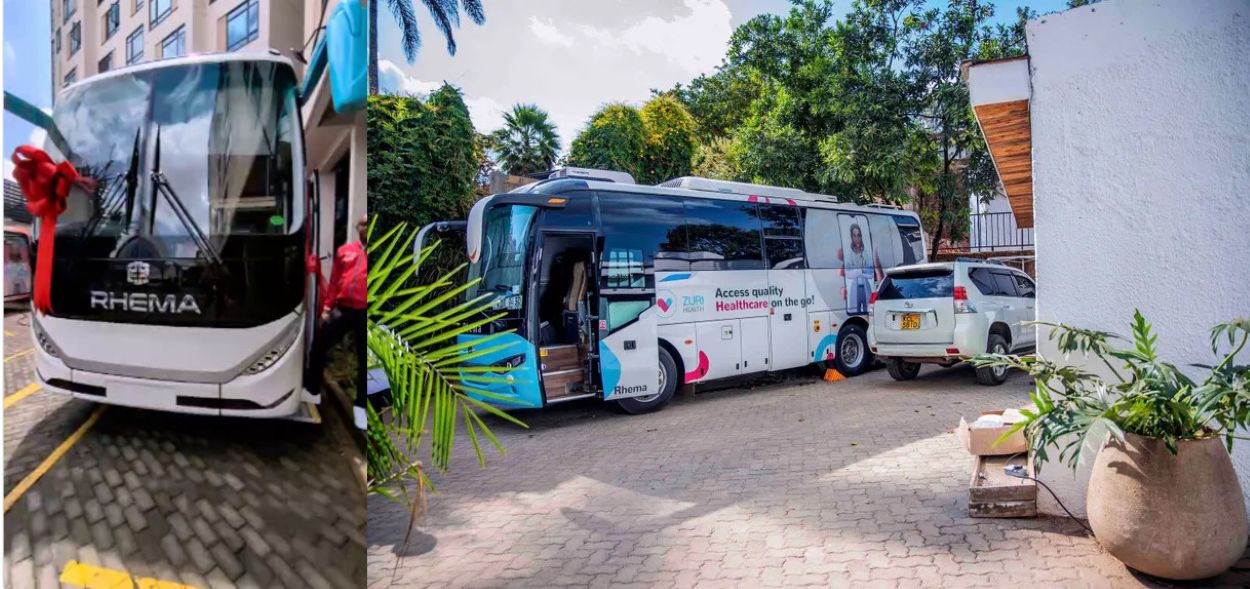
A Nigerian doctor has rolled out a mobile health clinic that is already reaching rural areas in Kenya and changing lives one stop at a time. CEO Ikechukwu Anoke of Zuri Health Solutions Ltd stands beside a sleek white and red bus parked outside a building and waves people closer to see what he built. The video making the rounds shows him stepping inside the vehicle and giving a proud tour of the fully fitted medical space he created for communities far from any big hospital.
He points out the clean consultation area with a desk and computer ready for patient records. Then comes the examination chair wrapped in fresh plastic and the array of diagnostic machines lined up on counters. One section holds what looks like an eye-testing device, while another corner features lab equipment, including a compact analyser and supplies neatly stacked near a small sink.
The man in the bright red jacket moves through the narrow hallway explaining each part as he goes. He opens cabinets stocked with gloves and basic medicines and then holds up a safety box for sharps disposal. Every detail feels thought out for quick, efficient care in places where roads turn dusty and travel to town takes hours.
CEO Anoke tried to launch the same kind of service back home in Nigeria. He wanted to bring basic health checks and minor treatments directly to villages that rarely see a doctor. Politicians got in the way, though. They blocked his plans at every turn, and some even tried to take over the project for their own gain.
He adjusted his approach and kept pushing, but insecurity in rural zones made it too dangerous to keep going. Armed groups and unstable conditions turned what should have been a simple outreach into something impossible. In the end he packed up the idea and looked elsewhere.
Kenya welcomed him with open arms. The government there gave the green light, and local partners helped him get the bus on the road. Now the mobile health clinic travels to remote spots where families once waited days for care.
Children get checked for common illnesses. Mothers receive advice on nutrition. Older folks have their blood pressure measured without leaving their area. The setup even includes space for basic lab work so results come back fast instead of getting lost in a distant hospital queue.
People who watch the video cannot help but feel the contrast. In one country the dream died under red tape and threats. In another, it rolled forward and started helping right away. Nigerians commenting online call it a painful reminder of how talent and ideas often slip away.
They talk about thousands of skilled professionals leaving every year because the system wears them down. One health worker who followed the story said the pattern hurts everyone back home. Villages stay underserved while neighbours across the border gain from the same expertise.
Anoke himself stays focused on the work. He does not spend time pointing fingers in the video. Instead, he smiles and shows how the bus can fold out extra seating or hook up to power for longer stays. He gestures toward the air conditioning unit and the secure storage for medicines.
The whole thing looks professional enough to rival a small clinic yet compact enough to reach the hardest places. Kenyan supporters in the replies cheer him on and promise to help spread the word. A few even suggest similar buses could work in their own counties.
The bigger picture goes beyond one vehicle. Rural health gaps exist all over the continent. Roads wash away in the rain. Doctors prefer city jobs with better pay.
Mobile units like this one fill the hole by meeting people where they live. Anoke saw that need clearly and refused to let setbacks in Nigeria stop him. He simply moved the solution where it could grow. The bus now serves as proof that good ideas do not have to die. They can find new soil and bloom.
Ordinary Kenyans living in those far-flung areas will feel the difference first. A farmer with a nagging cough no longer skips treatment because the trip costs too much. A pregnant woman gets basic scans without waiting weeks.
The mobile health clinic cuts travel time and brings trust back into the system. Parents tell their neighbours about the friendly doctor who visits every few weeks, and the word spreads fast.
Back in Nigeria the story sparks fresh debate. Some ask why the same energy that frustrates innovators cannot instead support them. Others point out that insecurity alone should not kill projects that save lives.
A few voices even invite Anoke to try again in safer zones closer to home. For now though, the focus stays on Kenya, where the wheels keep turning and patients keep coming.
The video ends with Anoke standing at the door of the bus looking satisfied. He has turned frustration into forward motion. His mobile health clinic stands as a quiet win for the communities it serves and a gentle nudge for anyone watching that barriers can be overcome with determination and the right welcome.
Related Posts

Nairobi Gun Shop Prices Surprise Kenyans at Shooter’s Mall
Images shared widely this week showed Kenyans gathering outside a popular firearms store in the capital as staff displayed popular pistols that sold for less…
CO-OP BANK REPORTS A STRONG 17.3 PERCENT GROWTH IN PROFIT TO KSH…
Co-op Bank has posted a strong profit before tax of KSh 23.1 billion for the half year ended 30 June 2026, compared to KSh 19.7…

Mudavadi Suffers Blow as Bank’s CEO’s Secure Court Orders
Prime Cabinet Secretary Musalia Mudavadi took a sharp hit when executives from Co-op Bank KCB and NCBA won court protection that blocks their prosecution in…
How a KSh450 Million I&M Bank Loan Swelled to KSh2.5 Billion Debt
Businessman Divyesh Indubhai Patel and his companies say they have already paid more than KSh1 billion towards a commercial loan that originally stood at KSh450…