
Oketch Salah Ruto Re-election Independent Movement Launched
 Adhis Okena — April 21, 2026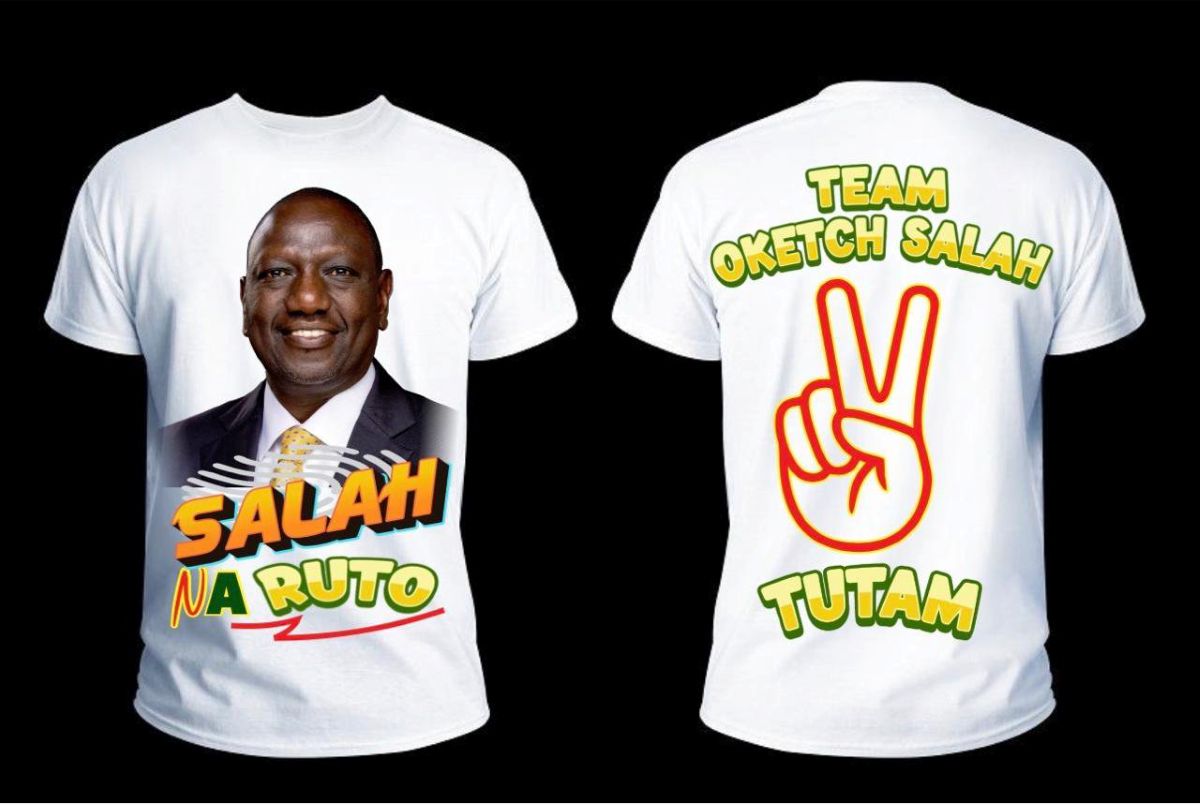
The Oketch Salah Ruto re-election movement has made a sudden and unexpected entrance into the Kenyan political landscape. The man who spent years working closely with ODM circles just announced a new independent outfit built from the ground up to campaign for President William Ruto’s second term in 2027. He calls the group an open platform for anyone tired of old party lines and ready to focus on development and stability instead of endless opposition talk.
Oketch Salah made the launch official in a packed hall in Nairobi where supporters waved small flags and cheered every time his name came up. He stood at the microphone in a simple white shirt and reminded the crowd that he once believed in ODM values but now sees a different path forward.
The new movement carries no official party symbol, yet it already draws people who feel the ruling side delivered on roads, schools and markets in ways the old opposition never matched. Salah told them this is not about leaving one camp to join another. It is about building something fresh that puts results first and loyalty to one man second.
Many in the room nodded because they remember how Salah rose through local politics in Nyanza and later became a familiar face in ODM rallies. He spoke for youth issues and pushed hard for better opportunities in the regions that felt left behind.
His shift now marks a quiet but important crack in what used to look like a solid opposition wall. Analysts watching from the sidelines say the timing feels deliberate.
With the next election still months away, early moves like this can pull younger voters and business owners who care more about steady leadership than old rivalries.
The announcement spread quickly through WhatsApp groups and local radio stations. Some ODM officials dismissed it as one man chasing personal attention, while others admitted privately that the loss of a voice like Salah hurts more than they let on.
They point out that he helped organise key events and mobilised crowds when Raila Odinga needed numbers on the streets. Now those same skills turn toward Ruto’s re-election, and that change leaves some party elders wondering how many more will follow.
President Ruto’s team welcomed the news without making too much noise. They see the movement as proof that support for the government reaches beyond traditional strongholds and into areas once considered opposition territory.
A quiet meeting between Salah and senior officials happened days before the launch, and sources say the conversation focused on practical issues like youth jobs and market access rather than grand promises.
For Ruto, this kind of cross-party backing matters because it softens the image of a government fighting alone against old enemies.
Older voters remember past defections that ended in disappointment, and they urge caution. A market trader in Eldoret succinctly stated that while politics evolves rapidly, the need for tangible assistance remains constant, and any movement must provide genuine support to avoid fading away like its predecessors.
The new outfit plans to start small with community meetings in counties that matter most for the 2027 math. Salah says they will listen first and campaign later, focusing on what people actually need instead of what leaders think they should want.
He promised no big cash handouts or empty rallies, just steady work on the issues that keep families awake at night. That message resonates in places where the cost of living still bites hard even after recent government efforts to bring prices down.
Political watchers note that Kenya’s election landscape often shifts in surprising ways months before the official race begins. Independent movements have gained ground before because they let people support ideas without carrying the full weight of a party name.
Salah’s group has the potential to attract professionals, business owners, and even some disillusioned ODM members who believe the party has strayed from its original path following the last handshake deals. If it grows, it might force both sides to rethink their strategies and pay closer attention to the middle ground where most votes actually sit.
Supporters hope the group grows into something that actually improves daily life rather than just winning votes. Critics wait to see if it lasts beyond the first few months or dissolves once the campaign money dries up. In the meantime Salah keeps moving, meeting small groups of farmers, teachers and traders who want to hear his plans in their own words.
Related Posts
Luo Leader Warns of Curse for Non-Ruto Votes in 2027
Randa the Luo elders leader spoke out in Kenya recently and told community members they must back President William Ruto for the Ruto 2027 race…

Crowds Chase Kimilili MP Barasa After Cash Runs Out
Angry crowds chased Kimilili MP Didmus Barasa through the streets of Kimilili on July 30 after cash ran out at his public event in Bungoma…
Edwin Sifuna Climbs Fast in 2027 Kenya Election Poll – TIFA Polls
Nairobi Senator Edwin Sifuna climbs fast in the 2027 Kenya election poll as opposition dynamics shift sharply. Voters now give him 15 percent support for…
Ruto Clashes With Sifuna Over Rural Affordable Housing Chickens.
President William Ruto traded sharp words with Nairobi Senator Edwin Sifuna over rural housing chickens’ plans during a fresh clash that spotlights deep divisions in…