
Opiyo Wandayi Still in Office As Fuel Scandal Resignations Mount

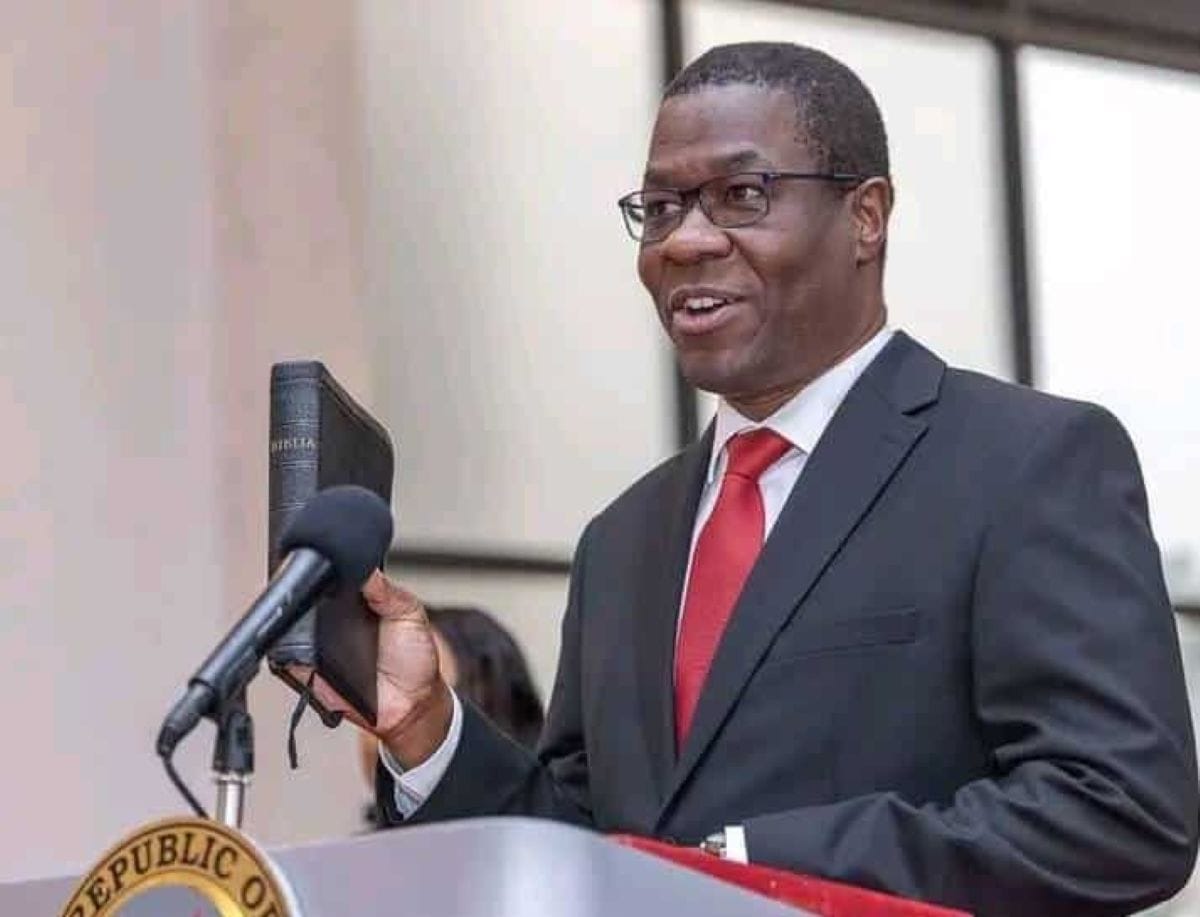
Opiyo Wandayi is still in office as fuel scandal resignations mount, and the contrast has left many Kenyans shaking their heads in disbelief. While almost every senior figure tied to the petroleum mess has stepped down or been forced out, the Cabinet Secretary for Energy remains firmly at his desk. As of April 4, 2026, the list of those who have quit includes Petroleum PS Mohamed Liban, Kenya Pipeline Company MD Joe Sang, EPRA Director General Daniel Kiptoo Bargoria, Deputy Director of Petroleum Joseph Wafula and KPC supply and logistics manager Joel Mburu.
All of them walked away or were pushed after arrests and a growing probe into an irregular emergency fuel cargo that broke the government-to-government rules and brought in a substandard product. Yet Opiyo Wandayi keeps speaking in press statements as if the chaos is happening somewhere far away.
The public is asking the obvious question. If everyone around him is falling on their sword, why does the minister in charge get to stand untouched? The scandal has already shaken confidence in the entire energy sector.
They wanted to step aside while the investigation ran its course. Opiyo Wandayi, on the other hand, continues to defend the system and talk about future plans as though none of this touches his desk. That stance feels off to a lot of people who remember how quickly other officials have been shown the door in past scandals.
Kenyans have watched this pattern before, but the scale here makes it harder to ignore. The probe centres on fuel imports that were supposed to ease shortages yet ended up raising fresh doubts about quality and cost. When the top people responsible for checking, approving and moving that fuel start resigning one after another, it sends a signal that something bigger may be wrong.
The Cabinet Secretary sits at the very top of that chain. He sets the tone for the ministry and signs off on major decisions. So when the people directly under him walk away, the natural expectation is that he would at least offer to step aside too. Instead, he stays put, and that choice raises eyebrows even among his own supporters.
Some voices in government circles say Opiyo Wandayi is staying to provide stability during a difficult time. They argue that removing him now would only add more uncertainty while global oil prices already feel shaky because of events in Iran. Others see it differently.
They point out that true leadership sometimes means knowing when to let someone else take the wheel. In any serious setup once a scandal reaches the level where permanent secretaries, regulators and state corporation heads are leaving, the minister does not get to sit pretty and issue statements. He steps aside, or he is stepped aside from. Anything less starts to look like selective accountability, and that is exactly what many ordinary Kenyans are calling out right now.
The fuel story touches daily life in ways that make it hard to brush off. A small increase at the pump can mean skipping a meal or leaving the car at home. When people hear that the very officials meant to protect them may have allowed bad fuel into the system, they feel let down.
The fact that Opiyo Wandayi remains in office while everyone else around the scandal has resigned only deepens that sense of unfairness. Families in Nairobi, Mombasa and rural towns alike are paying close attention because this is not abstract policy talk. It is the price they pay every time they queue at a petrol station.
Related Posts

Ruto: Sifuna ni fala anataka tusimamishe mradi wa Affordable Housing
President William Ruto stood before crowds in Eldoret, Uasin Gishu County, on Thursday, August 13, 2026, and branded Nairobi Senator Edwin Sifuna a fool for…

CO-OP BANK REPORTS A STRONG 17.3 PERCENT GROWTH IN PROFIT TO KSH…
Co-op Bank has posted a strong profit before tax of KSh 23.1 billion for the half year ended 30 June 2026, compared to KSh 19.7…
Ruto Demands Mandatory New Constitution for Vision 2060 Reforms
Kenyan President William Ruto told a national audience this week that the 2010 Constitution forces leaders to seek the people’s approval on major changes rather…
After Claims 2024 Gen Z Were From Illuminati, MP Kagombe Quits UDA
Gatundu South lawmaker Gabriel Kagombe walks away from the United Democratic Alliance this week as he eyes a fresh vehicle in Kenya’s mountain region. The…