
Pastor Ezekiel Cancels Meru Crusade After Sh3.6M Demand

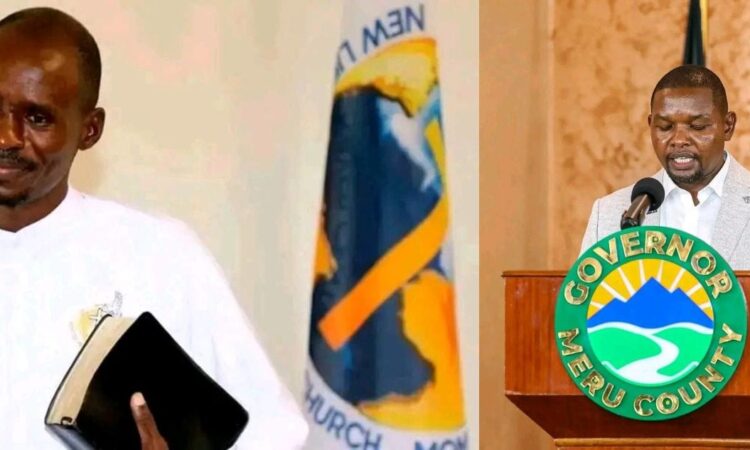
Pastor Ezekiel cancels the Meru crusade after county leaders demanded 3.6 million shillings to use the stadium. The popular preacher made the call yesterday and left many churchgoers in the area feeling let down by the sudden change of plans.
He had planned a big gathering filled with prayers, healing sessions, and teachings, which usually draw thousands from across the region. For weeks his team worked on logistics and spread the word through local radio and social media.
“Nimekasirika sana na watu wa Meru, ninataka kufanya crusade pale Kinoru Stadium siku mbili ninatumiwa invoice ya 3.6 million, hio pesa yote natoa wapi na sifanyi biashara yoyote, silipishi watu kuingia kwa stadium wanakuja bure, nimekasirika sana na wao hio pesa 3.6 million inanitosha kufanya crusade nchi kam Tanzania na nitapeleka hio crusade nchi ingine.
“Nimeenda nchi mingi na nikafanya crusades kwa stadiums kubwa kushinda hizi za Kenya na sijawai lipishwa pesa kama hio lakini kwa nchi yangu ndio wananishulumu, Rais nakuomba uvute kazi watu wengine wanakuletea hasara tupu,” Pst Ezekiel said.
Families had already set aside time and money for transport and food during the event. Then the bill from the county government landed on his desk, and everything stopped.
The amount covered stadium rental security and basic setup. Pastor Ezekiel saw it differently. He described the demand as straight extortion coming from a governor who also serves as a reverend.
That detail struck a nerve for many listeners because it mixed faith with public office in a way that felt uncomfortable. A man of the cloth himself asking for such a high fee from another preacher raised eyebrows across church circles.
In a short message shared with his followers the pastor explained his reasons without holding back. He said the crusade was meant to bring hope and unity, not to line anyone’s pockets.
Paying that kind of money would take resources away from the very people who needed spiritual support the most. Instead of going ahead, he chose to pull the plug entirely rather than agree to terms he viewed as unfair.
News of the cancellation spread quickly through WhatsApp groups and church WhatsApp statuses. Some members expressed disappointment because they had looked forward to the event for months.
Others nodded in agreement and praised the pastor for standing his ground. They pointed out that similar fees have popped up for other large gatherings in recent years, and many wonder if counties are using public venues to make extra cash from religious events.
Meru County has hosted plenty of crusades before, and most went smoothly with smaller charges or none at all. This time the figure stood out as unusually high, especially for a venue that sits empty much of the year.
Local leaders have not yet given a detailed reply, but one official mentioned that maintenance costs and crowd control add up fast when thousands show up. Still, the pastor’s strong words about extortion have kept the conversation alive and pushed people to ask whether faith events deserve special treatment or should pay full market rates like any concert or sports match.
The story also touches on the close relationship between church and county politics in Kenya. Many governors attend services and even lead prayers during public functions.
When one of them wears both hats, the lines can blur. Pastor Ezekiel highlighted that tension without naming anyone directly, yet everyone in Meru knew exactly who he meant. His decision has sparked fresh debate about how public resources should serve the community without turning into a business.
Church leaders from other denominations have started weighing in. A few agree that high fees protect taxpayers and keep venues in good shape. Others side with the pastor and say spiritual gatherings bring more value than the money collected at the gate.
Cancelling one big crusade might save money in the short term, but it could also leave a gap in the spiritual calendar for the area.
Pastor Ezekiel has not said what he will do next. Some of his team hinted that smaller meetings in open fields or church grounds could replace the stadium event.
Others believe he might shift the whole crusade to a neighbouring county where costs feel more reasonable, potentially allowing for greater accessibility and participation from his followers. Whatever path he chooses, his followers plan to support him because they value his message more than any single location.
The episode leaves ordinary Kenyans thinking about the cost of coming together for faith. Tickets to football games or music shows often run cheaper than this stadium fee, yet a prayer gathering faces the same price tag.
Currently, the stadium in Meru remains silent on the designated dates. Pastor Ezekiel has turned his focus back to his regular teachings and smaller gatherings that do not require big budgets. The 3.6 million demand may have stopped one crusade, but it has also opened a wider talk about fairness in how counties treat large public events.
Related Posts
Kilifi Madaraka Day Chaos Leaves Mung’aro Shaken
Kilifi Governor Gideon Mung’aro shocked crowds in Kilifi County on Sunday after panic erupted during a Madaraka Day celebration when a young man rushed toward…

Mwiki Principal Bullies Form 4 Boy Over Same Girlfriend Rivalry
A Form 4 student at Bookshine High School in Mwiki now bears deep scars on his back after relentless bullying by his own principal Titus…

Sakaja Hands Arsenal Fans KSh 50,000 After EPL Title Win
Nairobi Governor Johnson Sakaja gifts Arsenal fans KSh 50,000 and transport to Bondo after EPL title win. Read how celebrations filled CBD streets with joy…

Mombasa Women Demand Ban on Google Over Student Adult Content Access
Mombasa women are calling on the county government to ban Google because students use it to watch adult content. A group of concerned mothers and…