

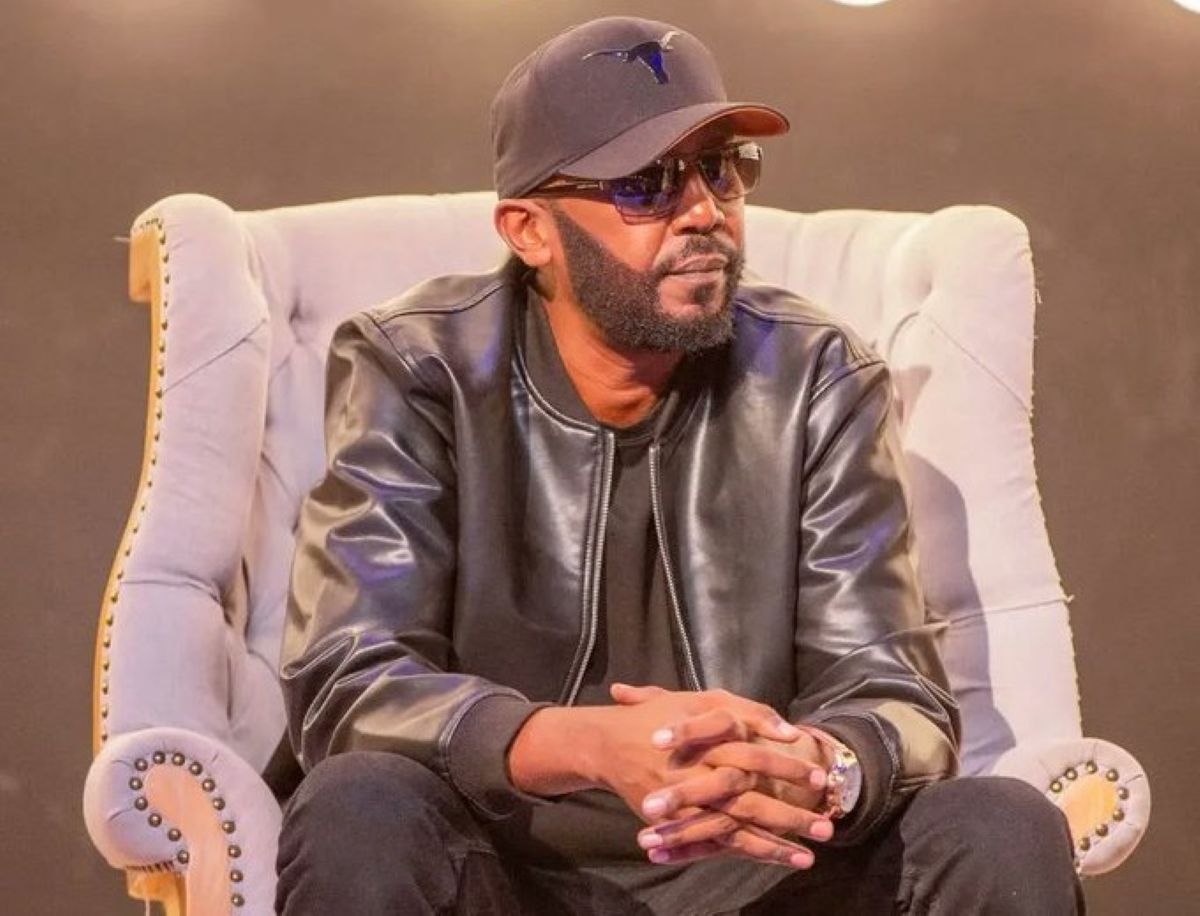
BBC featured Kenyan podcaster Andrew Kibe in its Manosphere Messiahs documentary released late this week. The investigation shines a light on the Nairobi-based influencer as a major earner in online masculinity circles that criticise single mothers and label some women gold diggers, dividing fans online between those who see him as a straight-talking mentor and others who call his views harmful to this generation.
Andrew Kibe built a large following through raw podcasts with him speaking unfiltered. The BBC report places him among top voices in the global manosphere, where creators draw big audiences and generate serious income from fan donations, subscriptions, and platform earnings. Kibe delivers blunt advice on relationships, success, and male responsibility that resonates with thousands of young Kenyan men.
Supporters pack comment sections under his videos. They credit him with stepping into spaces left empty by absent fathers. One university student raised by a single mother in Nairobi told the BBC team that Kibe acts like a surrogate father figure. The young man listens to the podcasts for guidance on building discipline and navigating life without strong male role models at home.
What Does Andrew Kibe Say About the BBC Manosphere Claims?
Andrew Kibe rejected the misogyny label at the interview. He later asked the meaning of the term and pushed back against any allegations that he spreads toxic ideas. Kibe maintains he simply speaks hard truths that many men need to hear in a changing society.
Critics fire back hard. They point to clips where Kibe calls out single mothers and warns men about gold diggers who enter relationships for money. Some women leaders describe his content as incoherent and damaging to gender relations. They worry it deepens divides in a country where many households already face complex family structures.
The documentary aired at a time when online creators across Africa gain massive influence. Kibe predominantly works out of studios in Nairobi and puts out content that goes viral on YouTube and Twitter.
His audience is international – listeners in Kenya, Uganda, Tanzania and across the diaspora in Europe and North America. Kibe built his platform by tackling fatherless homes head on. Often he narrates stories from his experience and observation around Nairobi estates.
Young men message him daily about career struggles, relationship failures, and pressure to provide. One supporter from Mombasa posted on May 28 that Kibe motivates him to wake up early, hit the gym, and chase financial independence instead of making excuses.
How Kenyans React to Andrew Kibe BBC Spotlight
Reactions split sharply across Nairobi streets and online spaces on May 29. Matatu drivers in the city centre blast his latest episodes while stuck in traffic along Uhuru Highway. Young professionals in Westlands cafes debate whether his advice helps or hurts. Women in focus groups organised by local NGOs express frustration at being painted as manipulators, while some men nod along and share screenshots of quotes that hit home for them.
Kibe addressed the documentary fallout directly in a follow-up post. He told followers he stands by his words because silence solves nothing. Supporters flood his channels with praise, calling him honest and outspoken in a world full of soft messages. They argue mainstream media like the BBC shows bias against voices that challenge modern dating norms and family breakdowns.
The report mirrors wider trends. Manosphere creators draw in millions of viewers from across the globe and convert that attention into steady revenue streams. “Kenya is fertile ground for such influencers, with a fast-growing internet and high youth unemployment. Kibe is different because he mixes humour with tough love and local references that speak to young people grappling with high living costs and shifting gender roles.
Local observers track the conversation in real time. A sociology lecturer at the University of Nairobi said on May 29 that influencers like Kibe fill voids left by traditional structures but sometimes oversimplify complex issues.