
Edwin Sifuna Skipped Vipingo Meeting After Receiving Security Warning
 Dan Mwadime — May 2, 2026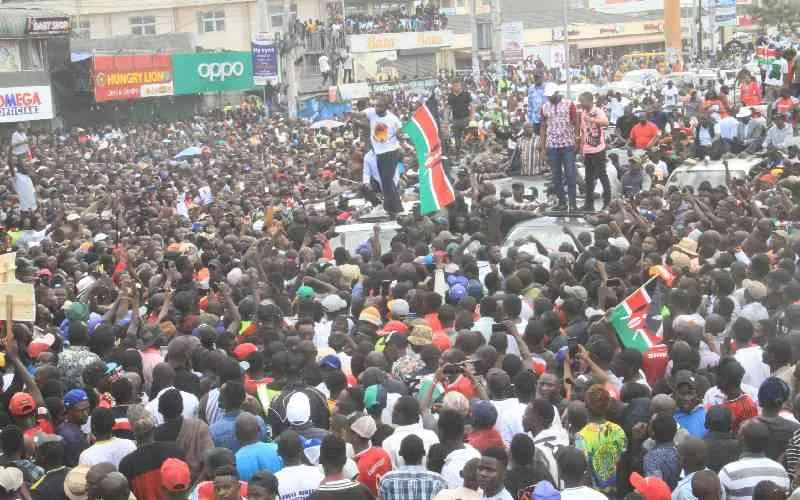
Edwin Sifuna chose not to attend the ODM meeting in Vipingo, where he was later removed as secretary general. The outspoken politician explained that he received credible intelligence about a planned attack, which made him stay away from the gathering in Kilifi County.
Sifuna shared his side of the story in recent days. He said certain party figures, including Oburu Odinga and Linda Ground, had invited him for what sounded like important talk. He grew suspicious when details started to feel off.
According to him, trusted sources passed along information that a group of goons was waiting specifically for his arrival. The plan was to let him enter the venue while keeping his security team outside. That setup raised serious red flags for him.
He decided it was wiser to stay in Nairobi rather than walk into what he believed could become a dangerous situation. Sifuna has built a reputation for speaking his mind within the Orange Democratic Movement.
His strong views have often put him at odds with other leaders in the party. This latest episode shows how deep the divisions have grown inside ODM as different factions push for control ahead of future political battles.
The meeting in Vipingo went ahead without him. Delegates there voted to remove Sifuna from his position as secretary general. Many saw the move as a clear sign of shifting power dynamics within the party.
Supporters of the decision argued it was time for fresh leadership. Sifuna and his allies, however, viewed it as an unfair ambush carried out when he was not present to defend himself.
Political meetings in Kenya can sometimes turn heated, especially when big positions and loyalties are on the line. Sifuna’s decision to skip the event has sparked plenty of debate. Some people praise him for listening to the warning and protecting himself.
Others question whether the intelligence he received was accurate or simply an excuse to avoid facing the vote. Either way, the absence allowed the proceedings to move quickly against him.
Sifuna has not stayed silent since the removal. He has used public platforms to explain his reasons and criticise what he calls dirty tactics inside the party. He insists the invitation was a setup designed to catch him off guard.
By sharing the alleged instructions about separating him from his security, he paints a picture of calculated planning rather than an open party discussion.
This internal ODM drama comes at a time when the opposition party is trying to reorganise and strengthen itself. Leaders like Raila Odinga continue to hold influence, but younger and more vocal members like Sifuna have pushed for changes in how things are run. The removal of the secretary general highlights the tensions between different generations and camps within the movement.
Many ordinary Kenyans follow these party fights with interest mixed with frustration. Politics often feels far removed from daily struggles like rising prices and lack of jobs.
Yet when stories involve threats, intelligence reports, and surprise votes, they capture public attention. People wonder whether personal ambitions are getting in the way of building a strong opposition that can challenge the government effectively.
Sifuna’s supporters see him as a fighter who refuses to be pushed around. They believe his removal was more about silencing a loud voice than about genuine party reform.
Critics argue that his style sometimes creates unnecessary conflict and that the party needs unity more than individual stars. The truth probably sits somewhere in the middle, as it often does in politics.
The whole episode raises questions about safety and fairness in political gatherings. If credible threats were indeed circulating, party leaders should have addressed them openly instead of letting suspicions grow.
At the same time, skipping a key meeting makes it harder for Sifuna to challenge the outcome directly. He will likely pursue other avenues, possibly through party organs or even courts, to contest his removal.
As the dust settles from the Vipingo meeting, ODM faces the task of moving forward with or without Sifuna in his former role. His absence and the subsequent decision have exposed cracks that were already there.
For now, he continues to speak out and position himself as someone who puts personal safety and principles above blind loyalty.
Kenyan politics rarely stays quiet for long. This latest chapter in the ODM story shows how quickly alliances can shift and how personal security concerns can influence big decisions.
Related Posts
Bonny Khalwale Backs Sifuna Presidential Bid in Kakamega
Crowds filled Butere streets on Saturday, August 8, 2026, as Kakamega Senator Bonny Khalwale stood firm with Nairobi Senator Edwin Sifuna. The veteran leader pledged…
Mudavadi Suffers Blow as Bank’s CEO’s Secure Court Orders
Prime Cabinet Secretary Musalia Mudavadi took a sharp hit when executives from Co-op Bank KCB and NCBA won court protection that blocks their prosecution in…
Kalonzo Musyoka Drops Bombshell Over Donated Broad-Based Experts
Kalonzo Musyoka stunned the nation this week when the Wiper leader detailed secret moves by President William Ruto to pull key Orange Democratic Movement figures…

Malindi High Court Says Legal General Election on 11th Aug 2026
A Malindi High Court judge declared on August 7, 2026, that the presidential election for Kenya must take place this month under constitutional rules after…