
Embakasi MP Sounds Alarm on Illegal Voter Transfers to North Eastern

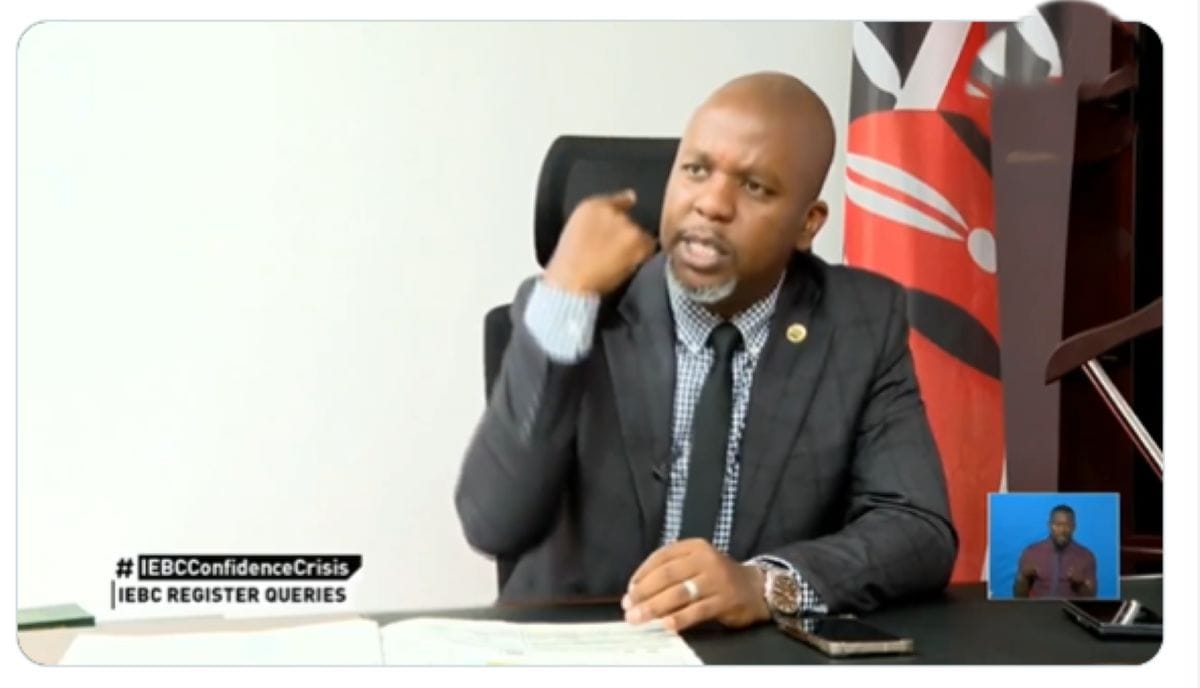
Embakasi West MP Mark Mwenje has raised serious concerns about voter registration in his area. He says residents there keep getting listed as voters in distant North Eastern counties like Garissa, Wajir, and Mandera even though they have never lived in those places.
The lawmaker brought up the issue in Parliament recently. He pointed out that many people from Embakasi West and Embakasi Central show up to register only to learn the system already lists them somewhere far away. This pattern affects several Nairobi neighbourhoods, including South B, Dandora, and Embakasi South. Messages indicating their status as Garissa voters surprise locals attempting to update their details or register for the first time.
Mwenje told fellow members of parliament that Garissa seems to attract many of these unexpected registrations. He questioned why so many names from his urban constituency end up assigned to polling stations in arid areas hundreds of kilometres away. “This discrepancy does not add up,” he said during the session. His statement quickly spread among Kenyans worried about the upcoming elections.
Ordinary residents in these Embakasi areas share similar stories. One young man from Dandora described going to a registration centre near his home. Officials checked the records and informed him he already belonged to a station in Wajir. He had never travelled there in his life. Cases like his have left many feeling frustrated and suspicious about what is happening behind the scenes.
A voter mobiliser named Ademba Allans added fuel to the conversation. He alleged that Masinde Muliro University students receive 150 shillings each to register as voters in Garissa. According to Allans, the young people hand over their identity details, and then others decide their polling stations without further input.
He mentioned that around 100 students may have joined this arrangement so far. University students often need extra cash for daily expenses, so small payments can tempt them even if they do not fully understand the bigger picture.
These reports come at a time when the Independent Electoral and Boundaries Commission continues its voter registration drive. Kenya holds general elections in 2027, so the register needs to stay clean and accurate. Past elections have seen accusations of irregularities, and many citizens watch the process closely because every vote counts in tight races.
Community leaders in Nairobi worry that such transfers could dilute the voice of real residents. Embakasi constituencies are known for their large populations and active political scenes.
If names move out on paper, it might affect how resources get shared or how candidates campaign in future polls. On the other side, leaders from North Eastern counties might see population boosts that bring more development funds and parliamentary seats.
One woman from Embakasi Central who asked to remain unnamed said she felt robbed. “I was born here, I pay taxes here, and my children go to school here. Why should my vote appear somewhere I cannot even reach easily?”
Others take a more measured view. They call on the IEBC to investigate quickly and fix any mistakes in the system. Technology now handles much of the registration, so human error or possible manipulation needs clear checks. The commission has not issued a detailed response to Mwenje’s claims yet, but officials usually promise to look into specific cases when lawmakers flag them.
Political analysts note that similar complaints surface before every major election. Parties and candidates work hard to increase their numbers, sometimes pushing boundaries.
The difference this time lies in how fast information spreads through social media. A single screenshot from a registration centre can reach thousands within minutes and spark nationwide debate.
MP Mark Mwenje has promised to follow up until authorities provide answers. He represents people who wake up early, run businesses, and raise families in busy Nairobi estates.
They expect their member of parliament to protect their democratic rights. Other Nairobi leaders have started echoing his concerns, showing this might stretch beyond one constituency.
They want fair play so that the person who casts a ballot actually lives near the polling station and cares about local issues.
The coming weeks will show whether the IEBC acts swiftly to clean up the records or if more questions will pile up. For now, the conversation in tea rooms, matatus, and online forums centres on one thing. Kenyans want an election where every valid voice gets heard fairly.
Related Posts

Bonny Khalwale Backs Sifuna Presidential Bid in Kakamega
Crowds filled Butere streets on Saturday, August 8, 2026, as Kakamega Senator Bonny Khalwale stood firm with Nairobi Senator Edwin Sifuna. The veteran leader pledged…
Mudavadi Suffers Blow as Bank’s CEO’s Secure Court Orders
Prime Cabinet Secretary Musalia Mudavadi took a sharp hit when executives from Co-op Bank KCB and NCBA won court protection that blocks their prosecution in…

Kalonzo Musyoka Drops Bombshell Over Donated Broad-Based Experts
Kalonzo Musyoka stunned the nation this week when the Wiper leader detailed secret moves by President William Ruto to pull key Orange Democratic Movement figures…
Malindi High Court Says Legal General Election on 11th Aug 2026
A Malindi High Court judge declared on August 7, 2026, that the presidential election for Kenya must take place this month under constitutional rules after…