
Govt Orders Arrest of Kisumu Linda Mwananchi Rally Mobilisers
 Adhis Okena — May 7, 2026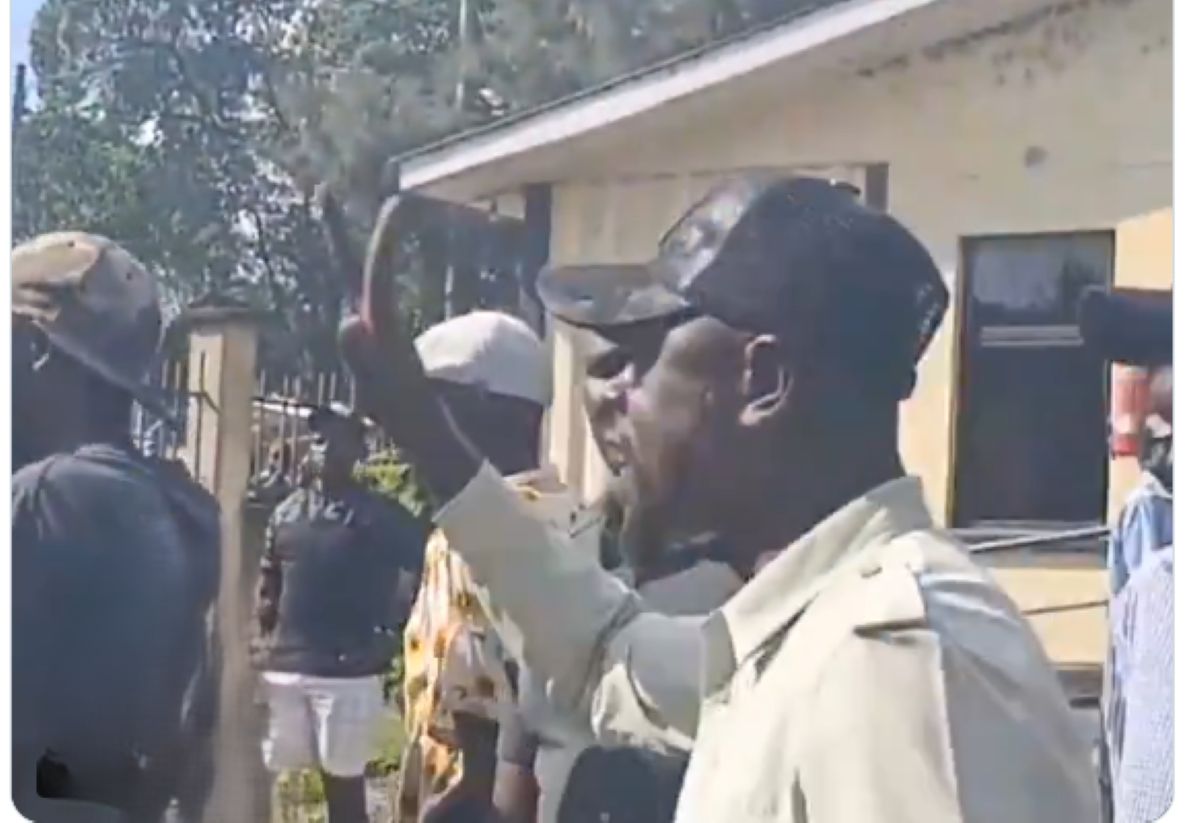
Police in Kisumu County are searching for youths who helped mobilise people to attend the Linda Mwananchi Rally. One man known as Omar is already in custody after officers arrested him during operations linked to the gathering. Locals claim PS Raymond Omollo ordered the crackdown on the local mobilisers.
Video footage circulating online shows the moment police moved in on Omar. He appears calm as officers lead him away while a small crowd watches. The clip has sparked strong reactions across social media, with many questioning the approach taken against young people involved in political mobilisation.
The Linda Mwananchi Rally has become a key platform for opposition voices and citizens pushing back against the current government on issues like the high cost of living and governance. In Kisumu, a region known for its strong political awareness, such events often draw big crowds of mainly young people eager to have their say.
Those familiar with the situation say Omar and others like him simply encouraged friends and neighbours to show up and exercise their democratic rights. Supporters contend that mobilising voters is not a criminal act.
Critics of the arrests see them as an attempt to intimidate people ahead of future elections and silence growing calls for change under the “Wantam” slogan that has gained traction in recent months.
A resident who watched the arrest from a distance told local contacts that the young man did not resist. “He was just doing what many others do during political seasons,” the witness said. “Now everyone wonders if attending a rally has become an offence.”
Sources close to the matter indicate officers are looking at claims of unlawful assembly or incitement, though no formal court appearance details have emerged so far. Similar operations have reportedly targeted other coordinators in different parts of the county.
This development comes at a time when political temperatures remain high in Nyanza. Many residents continue to experience the aftermath of previous protests and rallies, and the trust between security forces and communities can quickly erode.
On the streets of Kisumu, conversations revolve around the arrests. Some young people express fear that participating in politics could land them in trouble.
Others feel angry and more determined to continue. One boda boda rider summed it up. “We are not criminals for wanting a better Kenya. “If they keep arresting mobilisers, who will be left to organise anything?”
Human rights observers and local leaders have called for calm and respect for the law on all sides. They urge police to act professionally and avoid heavy-handed tactics that could escalate tensions. At the same time, rally organisers have been reminded to keep activities within legal boundaries.
The Linda Mwananchi movement has grown in visibility, attracting support from various opposition figures and ordinary citizens tired of economic hardships.
Rallies like the one in question give people space to voice frustrations about jobs, prices of basic goods, and service delivery. Suppressing mobilisation, many argue, only pushes discontent underground rather than solving underlying problems.
Omar’s arrest has also triggered online debates. Some comments support firm action against anyone breaking the law. Others see it as selective targeting of opposition-leaning areas, while similar activities elsewhere go unnoticed. The divide reflects the polarised nature of Kenyan politics today.
As investigations continue, friends and family of those targeted hope for a quick and fair process. They want to see evidence presented in open court rather than trial by rumour or video clips.
For the wider community in Kisumu, the coming days will test whether dialogue or confrontation defines the relationship between youth activists and security agencies.
Political analysts watching Nyanza say such incidents often backfire by increasing sympathy for the affected groups. History in the region shows that heavy policing of rallies and meetings can strengthen rather than weaken grassroots movements.
Related Posts

Coast Panic Grows Genital Theft Hoax Sparks Deadly Attacks
Fear grips streets across Mombasa and nearby counties as residents chase strangers over wild genital theft rumours. Officials now sound the alarm on this hoax…

Kilifi Madaraka Day Chaos Leaves Mung’aro Shaken
Kilifi Governor Gideon Mung’aro shocked crowds in Kilifi County on Sunday after panic erupted during a Madaraka Day celebration when a young man rushed toward…

Mwiki Principal Bullies Form 4 Boy Over Same Girlfriend Rivalry
A Form 4 student at Bookshine High School in Mwiki now bears deep scars on his back after relentless bullying by his own principal Titus…

Sakaja Hands Arsenal Fans KSh 50,000 After EPL Title Win
Nairobi Governor Johnson Sakaja gifts Arsenal fans KSh 50,000 and transport to Bondo after EPL title win. Read how celebrations filled CBD streets with joy…