
Kenya Issues Health Advisory Over Hantavirus Cruise Ship Outbreak

Kenya’s Ministry of Health has issued a public health advisory following a deadly hantavirus outbreak on a cruise ship in the Atlantic Ocean. Despite the absence of reported cases in the country, officials are implementing precautions to safeguard citizens against any potential spread.
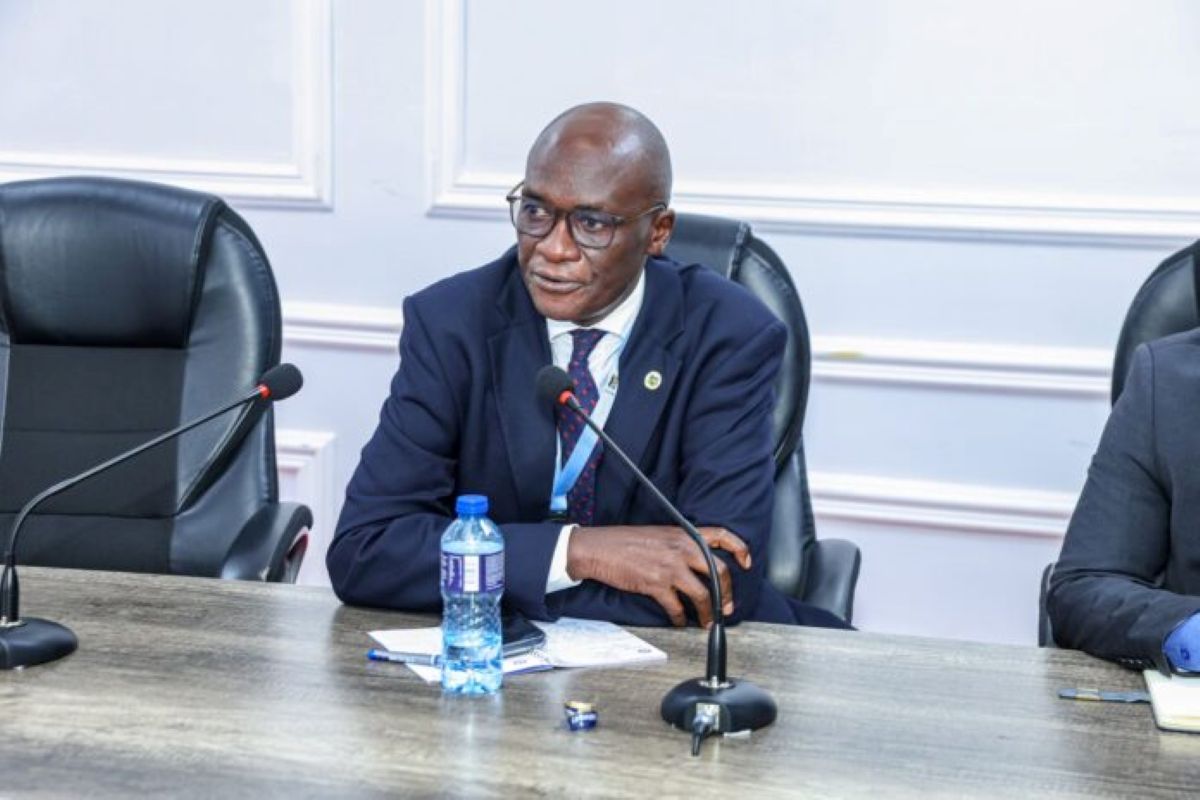
The Ministry acted after receiving updates about the MV Hondius, where eight people have tested positive for the virus and three have died. Director General for Health Patrick Amoth released a statement on Friday, May 8, reassuring Kenyans that the country remains free of the disease but confirming that surveillance has been increased at all entry points.
The cruise ship has been travelling with passengers from different countries. Health teams worldwide are now tracking those who were on board, especially those who left at earlier stops.
In Kenya, the focus is on airports and seaports, where international travellers arrive. Hospitals have also been put on alert to watch for anyone showing signs of the illness, particularly those with recent travel history.
Hantavirus spreads mainly through contact with infected rodents or their droppings. People can breathe in dust particles carrying the virus or touch contaminated surfaces.
While most types do not pass easily from person to person, certain strains found in South America can spread through close contact. This is what has worried experts about the current outbreak.
Symptoms usually appear between one and eight weeks after exposure. Early signs include fever, headache, muscle pain, tiredness, nausea, and vomiting. In serious cases, the virus can cause breathing problems and a condition known as ‘hantavirus pulmonary syndrome’, which can become life-threatening if not treated quickly.
Dr Amoth urged Kenyans to stay calm but remain careful. He encouraged everyone to keep their homes and surroundings clean, especially areas where rats and mice might hide.
Proper food storage, regular waste disposal, and good hand hygiene can significantly reduce risks. For those returning from travel, he advised monitoring their health for the full eight weeks and seeking help immediately if they feel unwell.
The advisory has reached many parts of the country through local radio stations and community health workers. In places like Mombasa and Kisumu, where ports handle international traffic, officials have held meetings with port workers to explain what to look for. Travellers arriving from long journeys now face extra health questions at immigration desks.
This situation reminds many Kenyans of past global health scares. Despite the low risk in this area, the rapid spread of the virus among people on the confined ship demonstrates the potential for rapid change in close quarters.
Community leaders in different counties have welcomed the proactive steps. They say clear communication from the government helps prevent panic and encourages people to follow simple preventive measures.
For now, Kenya continues to coordinate with the World Health Organization and other international partners. Testing kits and response teams are prepared to respond if any suspected cases arise. The Ministry has promised to update the public regularly as more information comes in about the ship and its passengers.
Ordinary citizens have taken the message seriously. In markets and neighbourhoods, people talk about keeping their compounds clean and teaching children not to play near areas with rodents. Small business owners who deal with food say they are double-checking storage practices to avoid any problems.
As the days go by, many hope the cases on the ship do not increase and that no new infections appear elsewhere. Kenyan families continue to prioritise simple daily habits that safeguard their health, while the authorities manage the larger issues at the borders.
Related Posts

Ruto: Sifuna ni fala anataka tusimamishe mradi wa Affordable Housing
President William Ruto stood before crowds in Eldoret, Uasin Gishu County, on Thursday, August 13, 2026, and branded Nairobi Senator Edwin Sifuna a fool for…

CO-OP BANK REPORTS A STRONG 17.3 PERCENT GROWTH IN PROFIT TO KSH…
Co-op Bank has posted a strong profit before tax of KSh 23.1 billion for the half year ended 30 June 2026, compared to KSh 19.7…
Ruto Demands Mandatory New Constitution for Vision 2060 Reforms
Kenyan President William Ruto told a national audience this week that the 2010 Constitution forces leaders to seek the people’s approval on major changes rather…
After Claims 2024 Gen Z Were From Illuminati, MP Kagombe Quits UDA
Gatundu South lawmaker Gabriel Kagombe walks away from the United Democratic Alliance this week as he eyes a fresh vehicle in Kenya’s mountain region. The…