
Pastor Jeremiah Kioko Spark Debate Over Fruit Miracle Service
 Sandra Mutuku — May 7, 2026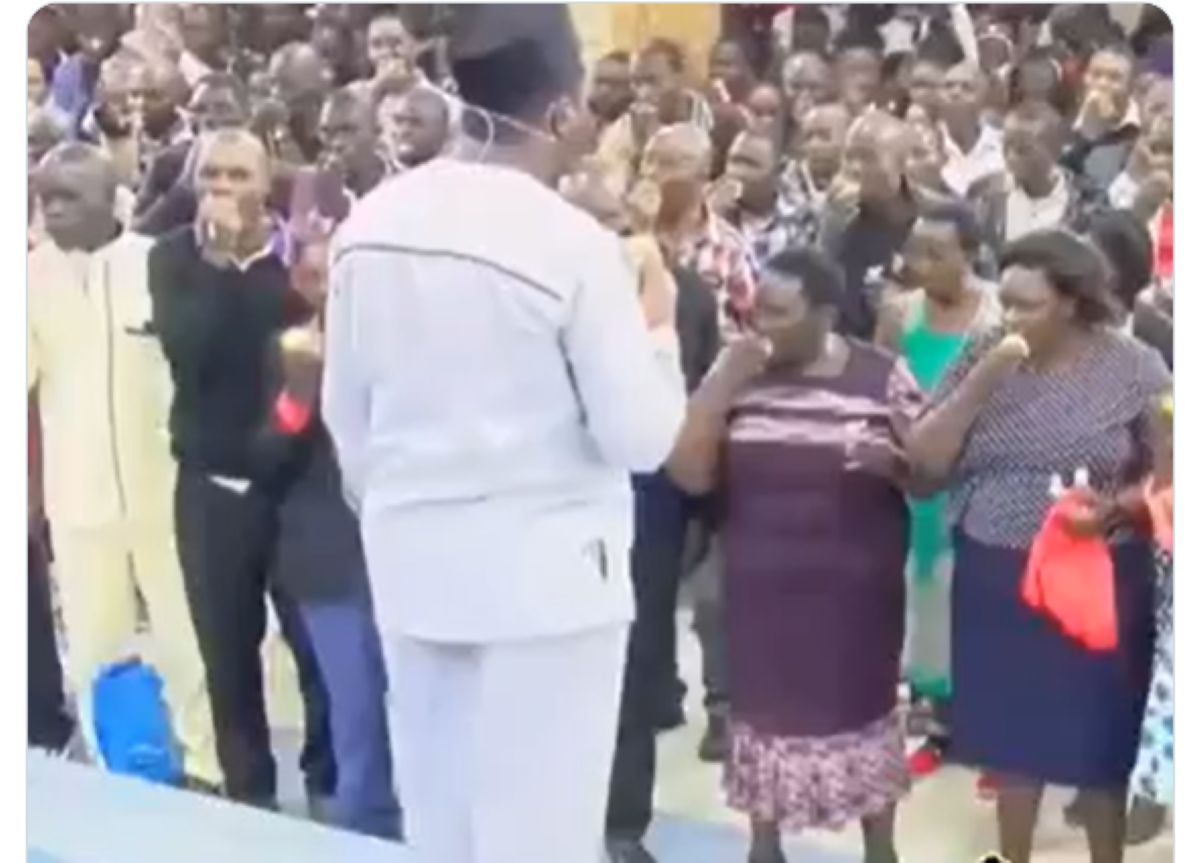
Pastor Jeremiah Kioko finds himself under fresh scrutiny after a video from his church service showed him telling worshippers to bite into fruit for instant healing and miracles. In the footage from one of his packed gatherings, the pastor stands before a large crowd inside the church. He holds up a bright green apple himself while instructing everyone else to do the same. People raise the fruit high with both hands.
Some are excited and some optimistic. He shouts prayers over them, saying that as they eat, sickness will leave their bodies and breakthroughs will come instantaneously. The congregation then takes a bite of the apples when told. Then many cheer and smile.
This latest moment comes in the midst of ongoing talks around Apostle Kioko and his manner of ministry. He holds services known for dramatic prayers, prophecies and claims of instant healings. Supporters say his teachings have made a real difference in their lives.
They tell personal stories of improved health or answered prayers after attending. For them, the fruit demonstration is childlike faith in action.
But critics say otherwise. They see it as another example of theatrical performances created to impress, not aid good. Some online commenters labelled the act manipulative, especially because many in the crowd seem to be women seeking relief from daily struggles.
Some wondered if the pastor handed out the apples and whether any payment or special offering preceded or followed. Such questions are often asked when such videos go viral in Kenya.
Kenya has a long history of vibrant church scenes with pastors with huge followings through powerful preaching and claims of miracles. People come to services looking for answers to problems like sickness, loss of a job or family problems.
The lure of swift divine action is very attractive in tough economic times. But it also risks disappointment when results don’t meet expectations.
Those who know Kioko’s work say he has done similar acts before. There are reports of past services with miracle water or special warnings about missed prayer meetings.
He has a lot of healing lines and testimony clips on his YouTube channel. Followers say they feel better after praying, but sceptics want medical proof of the claims.
They fret that mixing faith and showmanship might confuse new believers or leave vulnerable people feeling disappointed. There has been no direct intervention by any of the major regulators, as the country has a commitment to protecting religious freedom.
Churches have an important role to play in communities across the country. They provide support systems, moral guidance and venues to meet. A video like this one doesn’t just spark a debate; it forces us all to think carefully about what gives us real hope and what may not.
Related Posts

Prophet Kanyari Introduces Marion Naipei Husband to Church Members
Prophet Victor Kanyari presented Marion Naipei’s husband before packed church members at Salvation and Healing Ministry in Nairobi on 9 August 2026. The move confirmed…
Jina Liko Na Bank! Baba Levo Refuses Diamond-Zuchu Baby Name Reveal
Baba Levo spoke out recently in Tanzania and made clear he will stay silent on the child of the famous couple. The comedian explained that…
Charlene Ruto Traditional Wedding with Husband Isaya Yunge
Tanzanian internet entrepreneur Isaya Yunge stands ready to join First Daughter Charlene Ruto in a landmark traditional ceremony this Saturday, August 8, 2026, at the…

Charlene Ruto Prepares for Dowry Koito Ceremony: Who is the Husband?
President William Ruto’s daughter Charlene Ruto steps into a major life moment as her Koito ceremony draws near at the family farm in Kilgoris this…