
Total Kenya Launches 3kg Baby Meko Gas Cylinder at Ksh 700 Refill

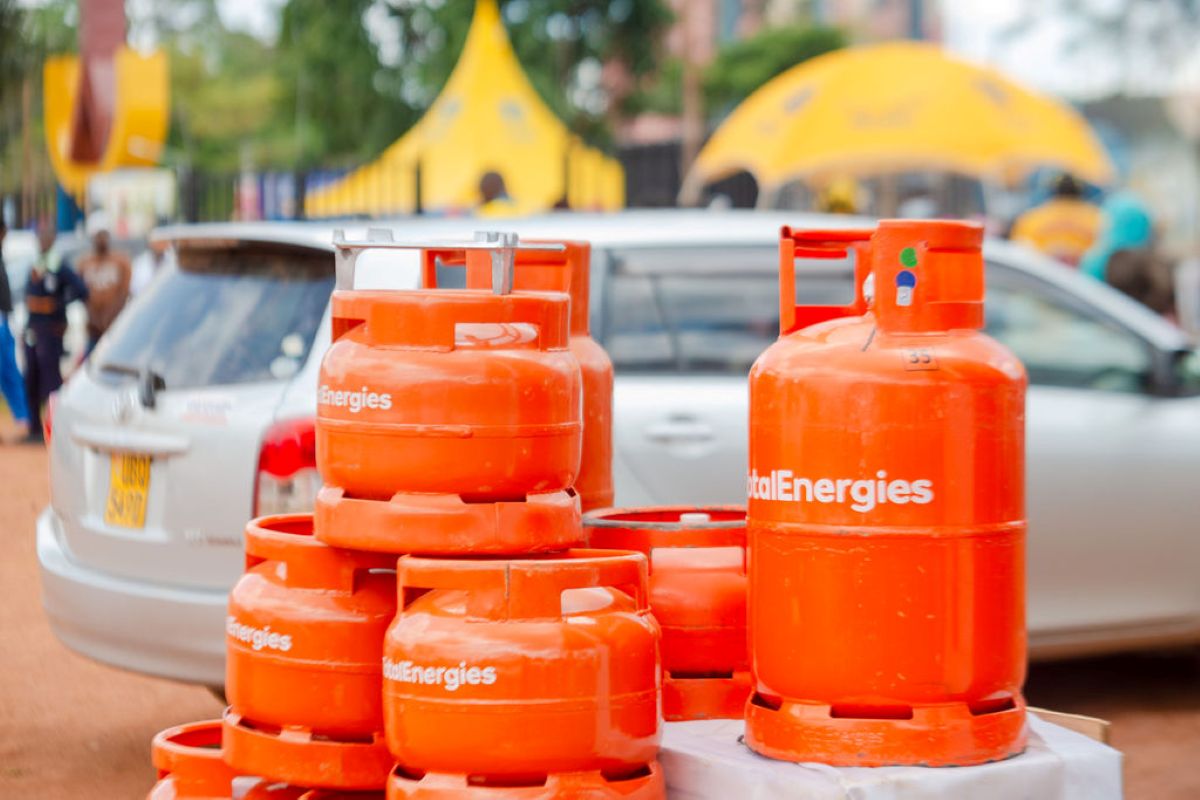
Total Kenya has introduced a new 3 kg gas cylinder called ‘Baby Meko’ with refills going for Sh 700. The company presents it as a convenient and affordable option for many households, especially those who find bigger cylinders too expensive or heavy to handle.
The move comes at a time when many families continue to struggle with the cost of cooking fuel. In markets and estates across Nairobi and other towns, women carrying heavy shopping bags often talk about how gas prices affect their monthly budgets.
For some, the smaller 3kg option feels like a step in the right direction because it is lighter and easier to store in small rental rooms. A mother of three in Mathare told her neighbours she likes the idea of buying smaller amounts more frequently instead of struggling to raise money for a bigger refill at once.
However, the launch has also sparked mixed feelings and memories of earlier promises. Many Kenyans still remember President William Ruto speaking at a function at the Kenyatta International Convention Centre where he talked about making 6kg cylinders available for between Sh650 and Sh700.
That announcement raised hopes that cooking gas would become truly affordable for ordinary households. Yet that particular plan never fully materialised in the way many expected, and the conversation about expensive fuel continues in homes and on the streets.
Total Kenya says the Baby Meko cylinder targets low-income users, students in hostels, and small food vendors who do not need large amounts of gas. The company believes the smaller size will encourage more people to switch from charcoal and kerosene, which many still rely on despite health and safety concerns.
Some early buyers have welcomed the product, saying it is handy for making morning tea or quick evening meals without committing to a large refill cost.
Still, critics point out that Sh700 for only 3 kg works out more expensive per kilogram than some larger cylinders. A quick calculation shared in several WhatsApp groups showed that the price per unit is higher than what people pay for 6kg or 13kg options when they can afford them. This has led to questions about whether the new product truly brings relief or simply offers convenience at a premium.
Energy experts following the sector note that global gas prices and taxes still influence what Kenyans pay at the pump. They say smaller cylinders can help improve access, but real relief will come when overall costs drop and more competition enters the market.
In the meantime, households continue looking for ways to stretch their money further, sometimes mixing gas with other fuels depending on what they can afford that week.
In online discussions, some users praised Total Kenya for innovation and trying to meet people where they are. Others expressed frustration, remembering past government promises and wondering why affordable larger cylinders remain out of reach for so many.
A boda boda rider in Kitengela said his wife would prefer the smaller cylinder for now but still dreams of the day when a decent-sized refill does not feel like a luxury.
Total Kenya has promised to make the Baby Meko widely available through its network of stations and agents. They are also running promotions to introduce the product to new customers.
Whether this becomes a game-changing solution or just another option on the shelf will depend on how ordinary Kenyans receive it in the coming months.
For many families, the search for cheaper and safer cooking energy remains daily work. From estates in Mombasa to rural homes in western Kenya, people weigh their options carefully.
The introduction of the 3kg cylinder not only expands the options available, but also stimulates ongoing discussions about the current definition of true affordability in Kenya.
As more people try the Baby Meko, feedback will likely shape how fuel companies approach smaller segments of the market. Ultimately, success will be evaluated not only by sales figures, but also by its ability to alleviate the burden on households striving to provide daily meals.
Related Posts

CO-OP BANK REPORTS A STRONG 17.3 PERCENT GROWTH IN PROFIT TO KSH…
Co-op Bank has posted a strong profit before tax of KSh 23.1 billion for the half year ended 30 June 2026, compared to KSh 19.7…

Mudavadi Suffers Blow as Bank’s CEO’s Secure Court Orders
Prime Cabinet Secretary Musalia Mudavadi took a sharp hit when executives from Co-op Bank KCB and NCBA won court protection that blocks their prosecution in…
How a KSh450 Million I&M Bank Loan Swelled to KSh2.5 Billion Debt
Businessman Divyesh Indubhai Patel and his companies say they have already paid more than KSh1 billion towards a commercial loan that originally stood at KSh450…

Paul Mburu Muthumbi, Mbukinya Founder, Dies, Leaving Legacy
Paul Mburu Muthumbi built Mbukinya into one of the longest-running public service vehicle companies through sheer grit before he passed away recently. The Limuru entrepreneur…