
Archbishop Ole Sapit Questions Finance Bill Promised Tax Relief

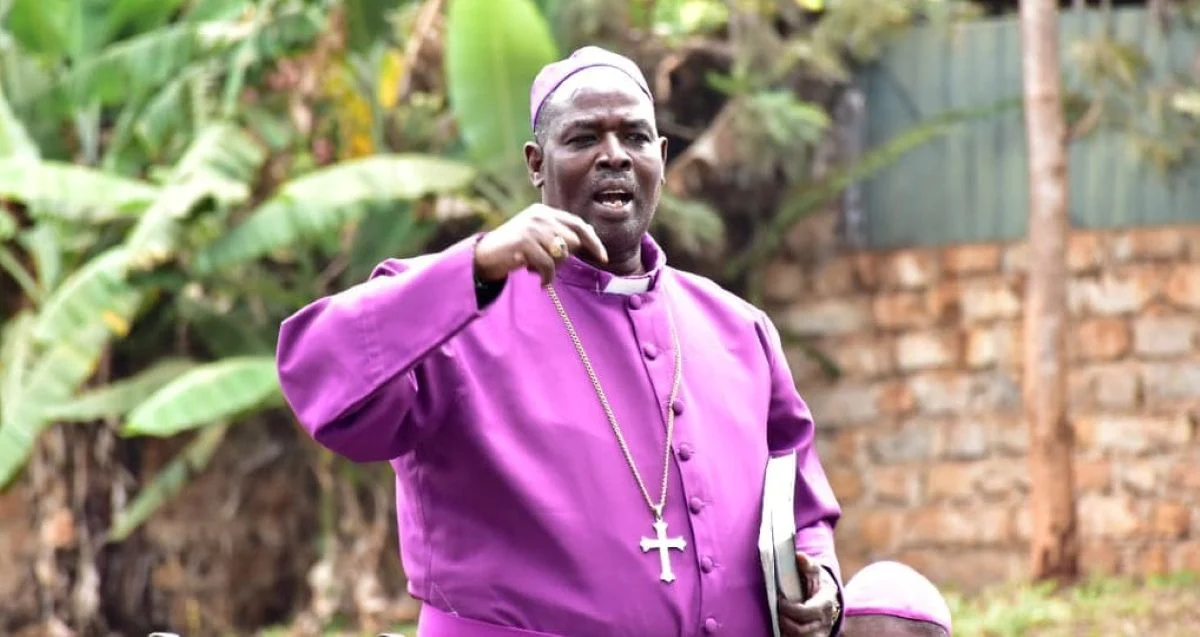
Anglican Archbishop Jackson Ole Sapit stood before parliament committee members in Nairobi this week and directly challenged government promises on taxes. He pressed hard on the finance bill that affects everyday workers across Kenya. The archbishop voiced deep worries that leaders broke their word to low-income earners right as the June 2026 budget talks heat up.
Ole Sapit delivered sharp remarks during public submissions on the Finance Bill 2026. He reminded officials of repeated pledges made by President William Ruto and Treasury Cabinet Secretary John Mbadi. Those statements assured Kenyans earning below KSh 30,000 each month would escape PAYE deductions.
“You said people earning below KSh 30,000 would not pay taxes?” Anglican Archbishop Ole Sapit raises concerns over the proposed Finance Bill.
What happens to low-income tax promises in the Kenyan Finance Bill?
The government appears to have shelved the relief for now. Officials cited data gaps and a potential revenue shortfall of around KSh 40 billion. Mbadi told lawmakers the proposal stays under review even though the main budget presentation on June 11, 2026 omitted it entirely.
The archbishop did not hold back. He addressed the crowd with fire in his voice. “You said people earning below KSh 30,000 would not pay taxes?” Ole Sapit demanded answers from the committee. He stood firm as other church leaders and stakeholders nodded beside him in the hearing room.
Businesses face extra pressure too. New proposals in the bill target various sectors to raise over KSh 120 billion. Ole Sapit warned that companies simply pass those costs straight to customers. “Businesses eventually transfer tax burdens to consumers,” he stated clearly during his presentation.
Inflation would spike further. Ordinary families already struggle with high food prices and fuel costs that climbed after the 2024 levy adjustments.
He spoke from experience. The Anglican Church of Kenya has monitored household hardships for years. Many members work in informal jobs or earn modest salaries in counties. They feel the pinch daily.
Ole Sapit pushed for genuine public input. He noted that views gathered in earlier forums got ignored. Leaders must listen before they pass laws that squeeze the poor even tighter. “We expect to do about 3.6 trillion as revenue collection,” he referenced, referring to government targets. Yet he questioned the methods. Relentless borrowing and high interest rates compound the pain.
Kiharu MP Ndindi Nyoro joined the pushback. He called for lowering the KSh 7 fuel levy introduced in 2024. Together they urged parliament to rethink the entire approach before the June 30, 2026 deadline.
Critics remember past protests. The 2024 Finance Bill sparked massive demonstrations that shook the nation. Youth took to the streets in Nairobi and beyond.
They demanded lower living costs and better governance. Ole Sapit referenced those events indirectly. He called for calm but firm action through proper channels.
Over one million Kenyans earn below KSh 30,000 monthly. Many hoped the relief would start in the new financial year beginning July 2026. President Ruto had spoken passionately at events.
“They will not pay any taxes,” he declared about low earners. Mbadi echoed the commitment in February 2026. He promised amendments outside the main bill if needed.
Those words now ring hollow for many. Treasury officials point to fiscal gaps. They analyse data carefully before final moves. Yet the delay frustrates workers who counted on extra take-home pay.
The archbishop painted a broader picture. Corruption drains resources. Expensive electricity bills pile up. Interest rates punish borrowers. Families juggle multiple burdens at once. He urged moral clarity in leadership. Public funds must serve the people first.
Related Posts

Crowds Chase Kimilili MP Barasa After Cash Runs Out
Angry crowds chased Kimilili MP Didmus Barasa through the streets of Kimilili on July 30 after cash ran out at his public event in Bungoma…
Edwin Sifuna Climbs Fast in 2027 Kenya Election Poll – TIFA Polls
Nairobi Senator Edwin Sifuna climbs fast in the 2027 Kenya election poll as opposition dynamics shift sharply. Voters now give him 15 percent support for…
Ruto Clashes With Sifuna Over Rural Affordable Housing Chickens.
President William Ruto traded sharp words with Nairobi Senator Edwin Sifuna over rural housing chickens’ plans during a fresh clash that spotlights deep divisions in…
Kiraitu Murungi Boldly Predicts Ruto 2027 Presidency ‘Mpende Msipende’
Veteran politician Kiraitu Murungi stood firm as he addressed growing frustration among Meru voters toward President Ruto. He declared that despite widespread anger and vows…