
Gachagua: Central MPs Skip Finance Bill 2026 Debate to Please Ruto

Ruto-allied MPs from Mount Kenya dodged the Finance Bill debate in Parliament as they tried to balance loyalty to President William Ruto with angry constituents back home. The high-stakes Finance Bill 2026 debate exposed deep divisions in the region that once formed Ruto’s strongest base.
Lawmakers from counties like Nyeri, Murang’a, Nyandarua, and Kirinyaga stayed away from the National Assembly chambers in Nairobi on June 18, 2026. They left the heavy lifting to a handful of Kalenjin allies and a few bold opposition voices.
This absence spoke volumes during heated sessions over the bill that aims to raise around 120 billion shillings for the 4.8 trillion shilling national budget through new taxes on digital payments, rentals, and imports.
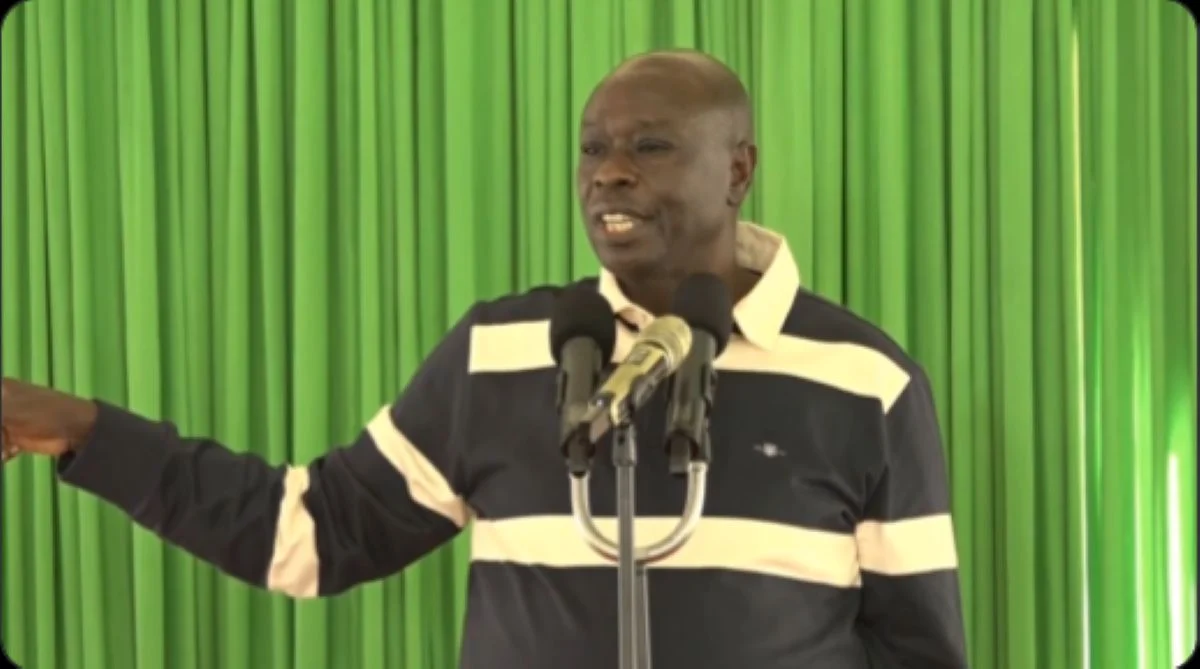
Rigathi Gachagua did not hold back. The former deputy president addressed supporters and made his position crystal clear. He attacked the fence-sitters directly.
Why do Mount Kenya MPs avoid the Finance Bill vote?
They fear backlash from voters who see the measures as punitive. Gachagua put it plainly during his remarks. “Ruto allied MPs from the Mount Kenya region are skipping the Finance Bill debate because they want to please both President Ruto and the people.”
“He paused for effect before driving the point home. However, you cannot serve both sides at the same time. You are either with Ruto or with the people.”
His words cut through the tension like a sharp knife. Political observers noted empty seats where Mount Kenya representatives usually sit. Opposition MPs seized the moment and accused the government side of rushing the process to avoid scrutiny.
Gachagua kept the pressure on. He warned that skipping the session equals supporting the bill. “Failing to attend is the same as voting yes.”
He spoke with the fire of a man who knows the region’s pulse. Mount Kenya delivered massive votes for Ruto in 2022. Now many residents feel the pinch from rising living costs and question new levies.
The Finance Bill 2026 has sparked fierce arguments since its introduction earlier this month. Proponents argue it funds key projects and closes revenue gaps. Critics like Gachagua call it another burden on struggling families.
Public participation exercises across counties revealed widespread opposition, especially in central Kenya, where small businesses and farmers dominate.
One MP who showed up faced tough questions from colleagues. The debate turned chaotic at points with shouts echoing through the chamber.
Opposition leaders demanded more time to propose changes that protect ordinary citizens. Yet the majority side pushed ahead. This pattern repeated similar drama from past finance bills that triggered street protests.
Gachagua urged all Mount Kenya MPs to stand firm. He reminded them of their duty to voters who elected them. His message resonated in places like Karatina market in Nyeri County and tea farms around Kerugoya.
The former deputy president built his case with local examples. He highlighted how families already stretch thin budgets for school fees, medical bills, and transport. Adding more taxes now feels like a betrayal to many who backed Ruto’s bottom-up economic plan in the last election.
Political analysts tracking the 2027 race see this as a pivotal moment. Gachagua positioned himself as the voice of the people against executive pressure. His impeachment in late 2024 still fuels resentment in the region. Yet he continues to draw crowds and shape narratives.
MPs who skipped the debate sent a mixed signal. Some observers believe they calculated the political cost of openly defying Ruto against the anger from home. Others suggest quiet coordination to avoid direct confrontation.
Gachagua did not stop at criticism. He called for clear choices. “Today decide if you are with Ruto or the citizens.” His challenge hung in the air as voting neared.
This episode reveals cracks in Ruto’s coalition. Mount Kenya once delivered decisive margins. Now loyalty faces tests from economic realities. The finance bill debate became more than numbers on paper. It turned into a test of allegiance that could echo into next year’s campaigns.
Related Posts

Crowds Chase Kimilili MP Barasa After Cash Runs Out
Angry crowds chased Kimilili MP Didmus Barasa through the streets of Kimilili on July 30 after cash ran out at his public event in Bungoma…
Edwin Sifuna Climbs Fast in 2027 Kenya Election Poll – TIFA Polls
Nairobi Senator Edwin Sifuna climbs fast in the 2027 Kenya election poll as opposition dynamics shift sharply. Voters now give him 15 percent support for…
Ruto Clashes With Sifuna Over Rural Affordable Housing Chickens.
President William Ruto traded sharp words with Nairobi Senator Edwin Sifuna over rural housing chickens’ plans during a fresh clash that spotlights deep divisions in…
Kiraitu Murungi Boldly Predicts Ruto 2027 Presidency ‘Mpende Msipende’
Veteran politician Kiraitu Murungi stood firm as he addressed growing frustration among Meru voters toward President Ruto. He declared that despite widespread anger and vows…