
Heavy Security Marks Kenya Anti-Finance Bill Anniversary

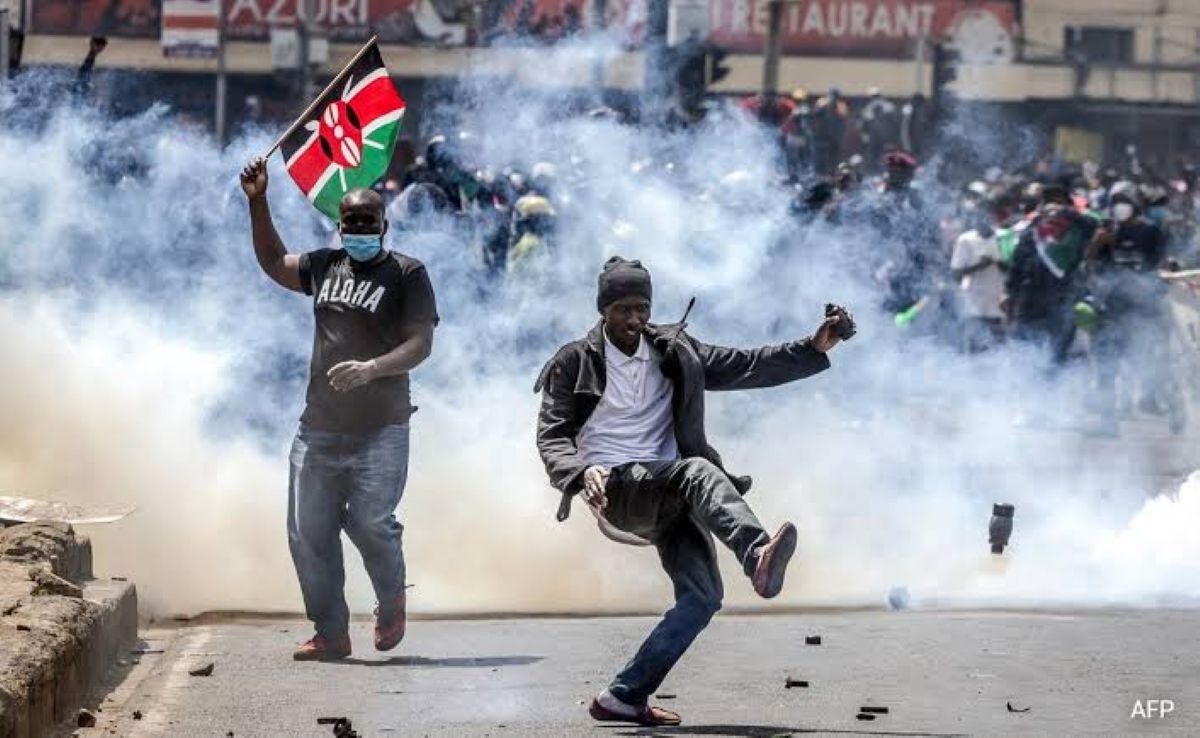
Police blocked major roads into Nairobi today as Kenyans marked the second anniversary of the fierce 2024 protests against the finance bill. Small groups gathered quietly in cities like Mombasa while officers kept watch across the capital. The anti-finance bill anniversary passed with minimal street action but plenty of tension and reminders of past clashes.
Authorities moved fast to control the flow of people. They set up barriers on key routes leading to the city centre early in the morning. Commuters found themselves stuck for hours. Many businesses in the central district shut their doors before the usual time.
The moves came exactly two years after huge crowds took to the streets in 2024 to reject tax hikes in the controversial finance bill. Those demonstrations turned deadly in places and shook the government.
What happened during the original 2024 protests?
Massive crowds rejected the finance bill and demanded change from leaders in Nairobi. Young people drove much of the energy through social media and direct action that summer.
Residents still carry the memories. Some lost friends. Others saw businesses damaged in the chaos. The events forced lawmakers to drop several tax proposals back then. Yet the scars remain visible in how both sides approach any repeat gatherings.
In Mombasa, a few dozen people attended a calm service inside the ACK Holy Ghost Cathedral. They prayed and reflected on lives lost. No major disruptions hit the coastal city. Organisers kept things short and peaceful.
Why did officers flood the streets with barriers this time?
Security teams received orders to prevent any repeat of the large-scale unrest from two years ago. They deployed in strength across Nairobi and monitored known hotspots.
Near Mlolongo, witnesses reported isolated scuffles and bursts of tear gas as small marches tried to form. Most attempts fizzled out quickly. Crowds stayed thin everywhere. Many young people heeded online messages urging them to avoid trouble.
Vincent Kemosi appeared in one social media campaign. Police had arrested him earlier in connection with protest planning. They later released the activist. His name circulated again as campaigners listed alleged mobilisers and called for calm.
“Stay off the streets to protect traders and daily workers,” one widely shared post stated. Similar voices pushed the same line across platforms.
Leaders on different sides echoed the peace message. Government officials warned against violence. Activists reminded everyone of the original goals around accountability and fair taxation. Both camps seemed determined to avoid escalation this time.
The quiet tone stood in sharp contrast to 2024. Back then, protests spread rapidly from Nairobi to other counties. They drew students, professionals, and informal traders together in rare unity.
At least 40 people died in the confrontations according to rights groups, though official figures differed. Parliament eventually withdrew the most unpopular parts of the finance bill after days of pressure.
Social media lit up with mixed reactions. Hashtags recalling the 2024 movement trended but stayed tame. Some users posted old photos from the big marches.
Police commanders reported no major incidents by evening. They praised cooperation from most residents. Yet the heavy security marks how fragile trust remains between citizens and the state.
The finance bill fight exposed deep frustrations over jobs, living costs, and governance. Youth unemployment still hovers near 35 per cent in many urban areas. Inflation has eased somewhat since 2024, but prices for food and fuel continue to bite hard for ordinary families. of the past and wary of the future.
Related Posts

Gachagua Draws Thousands During Narok East DCP Tour
Former Deputy President Rigathi Gachagua packed roads and grounds in Narok East on Monday as his Democracy for the Citizens Party push gathered force. Huge…
Ruto Urges Allies to Defend Record Against Opposition Fake News
President William Ruto pressed lawmakers, senators, governors, and cabinet secretaries from the UDA ODM broad-based government in Naivasha on Monday to fight back. He accused…

Police Arrest Fake Officer Over Bribes In Chepkumia, Nandi
Police officers in Nandi County moved quickly against a man at Chepkumia who posed as one of their own. The suspect carried a full set…

Oburu Odinga Stops Speech Eyes Failing at Naivasha UDA-ODM Retreat
ODM leader Oburu Odinga paused his prepared address halfway through the Broad-Based Government meeting in Naivasha on 10 August 2026. He informed the room that…