
Hush BK Apologizes to Pastor Over Malebo Song Remix
 Charo Rama — June 23, 2026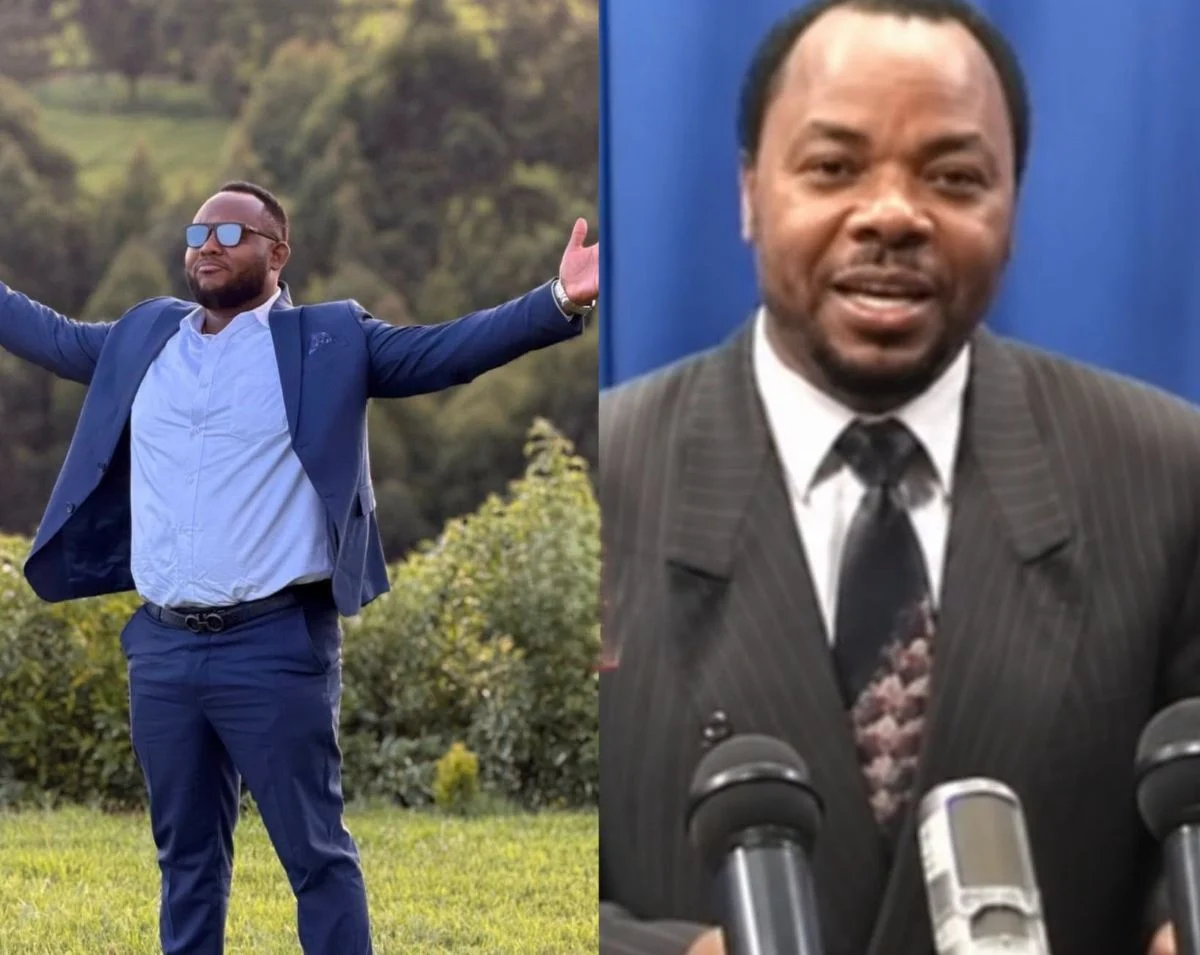
Hush BK apologises to Pastor Faustin Munishi over the Malebo song remix in a dispute that gripped gospel music fans across East Africa this week. The young Kenyan artist reached out publicly after the veteran Tanzanian singer objected to the unauthorized version. Munishi accepted the apology yet called out key errors that sparked the whole clash.
Hush BK stepped forward with his apology just days after the remix exploded online. He removed the track from YouTube immediately. Fans in Nairobi and Dar es Salaam had danced to the fresh take that mixed DJ Shiti’s comedy with the classic gospel rhythm. Yet the move crossed lines with the original creator.
The song Malebo carries deep roots in Tanzanian gospel circles. Pastor Faustin Munishi first released it years ago and built a lasting legacy around its powerful message. Recent versions pulled in new energy but stirred serious questions about respect for original work.
What mistakes did Hush BK make with the Malebo remix?
Hush BK entered the studio and recorded the song without permission. He uploaded it to YouTube, where it gained traction for monetisation. The artist also used the track to promote various businesses. He stayed silent about the AI elements involved in production.
Pastor Munishi laid out these points clearly in his response. He forgave the young musician yet refused to gloss over the issues.
“He should have simply admitted his mistakes clearly instead of defending his actions while asking for forgiveness,” Munishi stated during a conversation with supporters on social media. The veteran singer stressed the need for transparency in the industry.
This episode unfolded rapidly over the past week. The remix featuring Hush BK and comedian DJ Shiti dropped and quickly gained traction on TikTok and Instagram around June 2026. Views climbed to hundreds of thousands within hours.
People shared dance challenges and tagged friends across Kenya and Tanzania. Then Munishi issued a firm warning to young artists everywhere. He urged them to stop remixing his songs without approval and to create their own original material.
Why does the Malebo copyright dispute matter to gospel artists?
The Malebo copyright dispute highlights growing tensions between classic creators and rising digital talents who rely on social platforms for quick fame. Munishi built his career through authentic recordings and live performances in churches from Arusha to Mombasa. He watched newer acts bypass those steps and jump straight to viral success.
Hush BK acted fast once the complaints surfaced. He deleted the song and posted a direct apology. Supporters praised his humility while others debated whether the gesture came soon enough.
The track had already racked up significant engagement before its removal. Industry insiders noted similar cases in recent months where gospel hits faced unauthorized covers that led to platform takedowns.
Munishi spoke with conviction about the bigger picture. He followed up with messages to the crowd and reminded people that true creativity starts with original ideas. Artists who copy risk destroying decades of relationships. He pointed to his own experience of writing and perfecting songs through years of ministry work in Tanzania. The gospel scene in East Africa is a community with a common faith. Songs like Malebo are played at weddings, crusades, and Sunday services from Kisumu to Dodoma. When conflicts arise, they spread out and affect how fans see their favourite musicians. Now Hush BK has to regain trust. His next releases will probably be under even greater scrutiny by both listeners and rights holders.
In his public message, Hush BK showed remorse. He acknowledged the hurt he’d caused and said he’d do future projects differently. Working with DJ Shiti was an experience that was fun and energetic and connected well with a younger demographic that was tired of typical productions. But the lack of upfront communication created unnecessary friction.
Related Posts

Charlene Ruto Traditional Wedding with Husband Isaya Yunge
Tanzanian internet entrepreneur Isaya Yunge stands ready to join First Daughter Charlene Ruto in a landmark traditional ceremony this Saturday, August 8, 2026, at the…

Charlene Ruto Prepares for Dowry Koito Ceremony: Who is the Husband?
President William Ruto’s daughter Charlene Ruto steps into a major life moment as her Koito ceremony draws near at the family farm in Kilgoris this…

East Africa Stars Dominate 2026 AFRIMMA Nominations
Tanzanian singers and peers from Uganda plus Kenya just locked in multiple spots for the African Muzik Magazine Awards as AFRIMMA nominations roll out ahead…

Grace Wacuka Opens Up About Battle With Depression
Grace Wacuka shared her personal battle with depression in a heartfelt post that touched fans everywhere. The actress and musician described her fight against severe…