
Nairobi Birdman Joins Protest Then Shares Meal With Birds

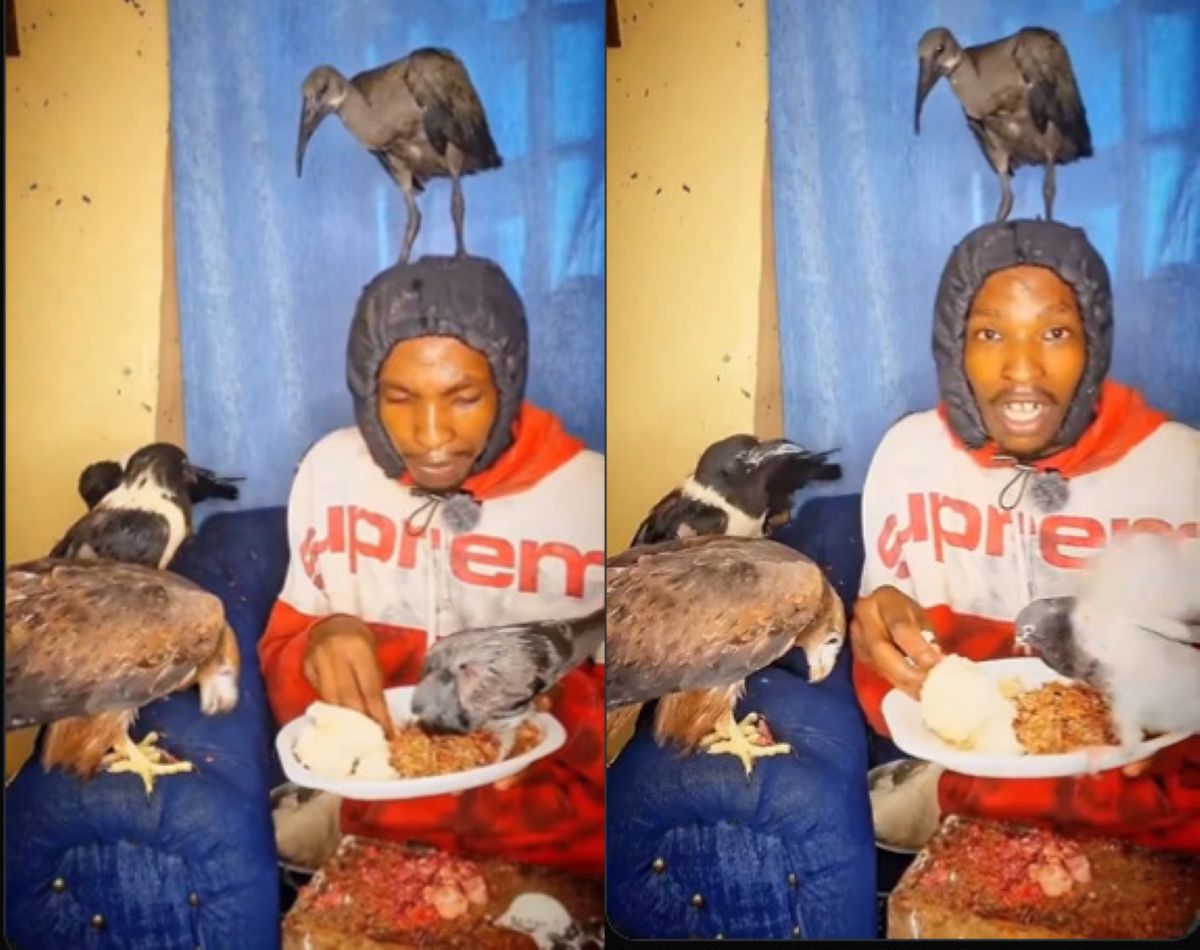
Rodgers Oloo Magutha spent the entire day marching through Nairobi streets with his flock of rescued birds before he sat down to eat ugali and meat straight from the same plate as dozens of them. The unusual scene sparked heated debates online about health risks and animal bonds right in the heart of the capital on June 25, 2026.
Crowds pushed through the central business district that Thursday as Kenyans marked the anniversary of past demonstrations. Magutha moved among them with birds perched on his shoulders and head. He has rescued injured creatures for years after his own time on the streets. Many now follow him willingly because he feeds and protects them daily.
Why does the Nairobi Birdman eat together with his birds after protest marches?
He builds deep trust with them through consistent care. In the viral clip from that evening Magutha holds a plate piled with ugali, rice and pieces of meat while several birds peck directly from it and others wait nearby. One large ibis balances on his head as he speaks to the camera.
During a conversation with those watching, he explained his approach. “They adore my food. Should I do the same? You want my ugali? Eat.” He breaks off bits and offers them while pigeons and other birds crowd close. His hands move steadily as he eats alongside them without hesitation.
What health concerns surround the Nairobi Birdman sharing food with wild birds?
Medical voices raised alarms quickly. Dennis Miskellah from the Kenya Medical Practitioners, Pharmacists and Dentists Union urged authorities to step in. He warned that close contact with wild birds that roam dumps and streets could spread zoonotic diseases to humans. Several social media users echoed the worry. One person called it a pandemic in waiting. Another mentioned risks like swine flu or worse.
Yet Magutha pushes back hard. He wrote on his page that same day that people claim he will get sick from eating with birds. He pointed out his long history in tough spots. “Yet I eat among them even at dumping sites where they feed on thrown-away food, and we are still doing fine.” Nature wastes nothing, he added in defence of his lifestyle.
The 27-year-old has turned heads in Nairobi for some time now. He started rescuing birds as a child and ramped up efforts after living homeless himself. Black kites are hit by cars, marabou storks are weakened by hunger, and pigeons are tangled in wires. He nurses more than 20 species back to health with limited resources.
Some fly free once strong. Others stick around as companions. They perch on him in public and draw shouts of recognition from vendors and passersby.
Supporters see pure dedication. They donate meat when they can and cheer his commitment to creatures most ignore. Critics focus on hygiene. They question how safe it remains to share living spaces and meals so intimately. One online comment called his home full of mess. Another wondered how he attracts so many different birds at once.
How did the Nairobi Birdman first connect with his protest day flock?
Years of street survival taught him patience. Birds remember who feeds them, he often says. On June 25 he joined the marches naturally. As an environmentalist and advocate for street families, he felt the cause aligned with his life. Police blocked roads and made arrests across the country that day.
Turnout stayed lower than in previous years, but symbolic acts like laying flowers at barbed wire spots continued. Magutha brought his birds into the mix, turning heads even more.
Back in his modest space later that evening the scene shifted from protest energy to quiet feeding time. A large bird of prey rests on blue cushions nearby. Pigeons dive into the plate. Magutha looks straight at the camera between bites.
“Relax, relax. Eat the chicken.” He encourages one eager bird while another takes food from his fingers. The room feels lived-in, with feathers and simple furnishings visible around him.
His story touches many because it blends hardship with hope. Once without a stable home, he now creates safety for winged creatures that urban life threatens daily. Electrocution from wires, car strikes and poor food sources take a toll. Few official rehabilitation spots exist, so his hands-on work fills a real gap. He dreams bigger too. Plans for a proper shelter swirl in his talks, though money for meat and space stays tight.
Reactions split sharply across platforms. Some hail him as a unique guardian of nature. Others urge him to seek health guidance. Guinness World Record jokes even popped up about the sheer variety of birds he gathers. Through it all Magutha keeps his focus. He moves through the city known instantly as the Birdman. Vendors pause. People point. His flock follows.
That Thursday protest march added another chapter. He stood with demonstrators and then returned to care for his companions the same way he always does. Share a meal. Offer protection. Live the bond he built one rescued bird at a time.
Whether critics accept it or not, his daily actions show a man shaped by streets who now gives back to the wildlife around him. The debates will likely continue, but Magutha and his birds carry on together in Nairobi’s busy heart.
Related Posts

Bolo Bespoke Sparks Debate On Men Controlled In Marriage ‘Nikukaliwa’
Bolo Bespoke stirred strong reactions when he declared that marriage works only when men accept control from their wives. The popular figure shared his own…

Eti Anakibamia! Ginah Sparks Debate Defending Men in Relationship
Social media influencer Mwanadada Ginah stepped forward yesterday in Nairobi to shield men from constant criticism over bedroom matters. She argued that women often misuse…

Mrembo Geemmasi Questions Why Men Are Loyal to Losing Teams but Not…
Social media influencer Mrembo Geemmasi dropped a provocative question that lit up timelines across platforms yesterday afternoon. She challenged men on their fierce loyalty to…

Eva Mrema Urges Women To Ditch Witch Doctors For Husbands
Eva Mrema delivered a blunt message to women across the region yesterday as she warned them against losing hard-earned cash to traditional healers who promise…