
Senator Onyonka Blasts Kisii Governor Over China Car Deal
 Adhis Okena — June 18, 2026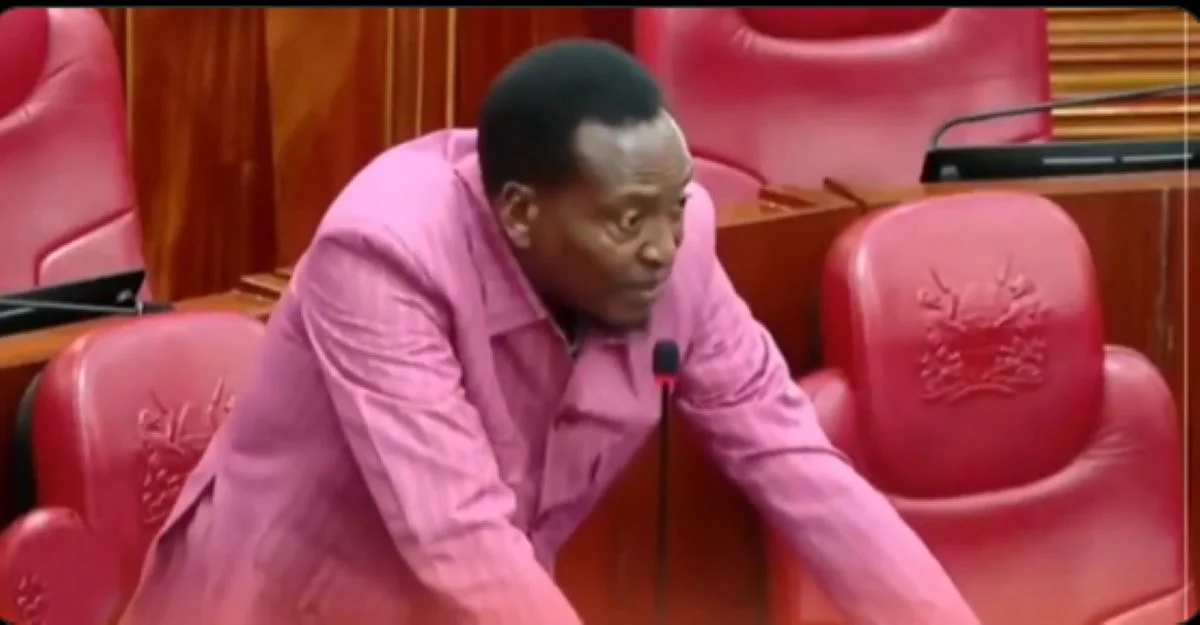
Kisii Senator Richard Onyonka tore into Governor Simba Arati in the middle of a heated public gathering for purchasing one billion shillings’ worth of secondhand vehicles from China and sidestepping all procurement rules to favour his wife. The sharp attack exposed deep rifts in Kisii leadership and raised fresh questions about county spending practices.
He pulled no punches against the man he once helped elect. Tension hung thick in the Kisii Town air that Thursday afternoon. He painted a picture of wasted public money funnelled overseas instead of supporting local dealers who needed the business.
The Kisii senator did not stop at general accusations. He named the staggering figure and the source country directly. “My governor Simba Arati bought KSh1 billion worth of secondhand vehicles from China, completely bypassing procurement rules to please his wife,” he told the attentive Senate.
Why did Kisii leaders clash so publicly over these vehicles?
Governor Simba Arati faces direct accusations of irregular procurement that favoured foreign suppliers linked to his family. The senator demanded answers and accountability from county officials who control the purse strings. Onyonka urged residents to hold their governor responsible for decisions that drained county coffers without proper tenders or competitive bidding.
This confrontation marks the latest chapter in a long-running feud between the two powerful politicians. Onyonka once backed Arati during campaigns, yet relations soured over time. The China connection added extra sting because Arati maintains close links there through family and past engagements.
County records show the vehicle purchase happened recently without the usual open bidding processes that Kenyan law requires for big contracts. Sources familiar with the deal placed the total cost near one billion shillings for a fleet of pre-owned cars shipped directly from Chinese ports.
Local motor vehicle associations expressed outrage because they lost out on potential sales and maintenance contracts that could have stayed within Kenya and created jobs in Kisii and neighbouring counties.
He reminded everyone that county funds belong to the people, not to any single leader or his inner circle. The senator called for immediate investigations by relevant oversight bodies to trace every shilling spent on the imports.
The timing of this revelation carries extra weight because it comes amid broader national conversations about fiscal responsibility in devolved governments. Kenya continues to battle high public debt, and citizens demand every county spend wisely on priorities that touch ordinary lives.
Onyonka tapped into that frustration when he highlighted the bypass of procurement rules that exist precisely to prevent favouritism and corruption.
Arati administration previously defended international partnerships as ways to secure better deals and technology transfers. The governor built some reputation on engaging partners from Asia for various county initiatives, including agriculture exports. Those efforts produced mixed results according to critics who point to unfulfilled promises and questions about value for money.
Political analysts in Nairobi follow the Kisii drama closely because it reflects bigger patterns across Kenyan counties. Senators often position themselves as watchdogs against governors who control massive budgets with limited checks.
This particular case gained traction fast because the billion shilling figure sounds enormous to average citizens struggling with daily costs. One local trader in the Kisii market summed up the sentiment. He said leaders should buy Kenyan whenever possible to keep money circulating at home.
Onyonka pressed further in his remarks and challenged Arati to open the books for public scrutiny. He invited independent auditors to examine the entire transaction from initial decision to final delivery of those secondhand vehicles.
The senator warned that such practices erode public trust and make people question the entire devolution system that promised better governance closer to the people.
As dusk settled over Kisii that day, the conversation continued in tea rooms and along busy streets. People debated not just the cars but also the deeper issues of loyalty, family influence and leadership accountability.
The clash between Onyonka and Arati shows no signs of cooling soon. It could shape political alignments heading into future election cycles.
County officials confirmed the vehicles serve various departments, including health outreach and security patrols. Yet the method of acquisition remains the sore point that Onyonka continues to hammer.
He insists proper local procurement would have delivered similar or better quality at competitive prices while supporting Kenyan entrepreneurs.
Related Posts

Crowds Chase Kimilili MP Barasa After Cash Runs Out
Angry crowds chased Kimilili MP Didmus Barasa through the streets of Kimilili on July 30 after cash ran out at his public event in Bungoma…
Edwin Sifuna Climbs Fast in 2027 Kenya Election Poll – TIFA Polls
Nairobi Senator Edwin Sifuna climbs fast in the 2027 Kenya election poll as opposition dynamics shift sharply. Voters now give him 15 percent support for…
Ruto Clashes With Sifuna Over Rural Affordable Housing Chickens.
President William Ruto traded sharp words with Nairobi Senator Edwin Sifuna over rural housing chickens’ plans during a fresh clash that spotlights deep divisions in…
Kiraitu Murungi Boldly Predicts Ruto 2027 Presidency ‘Mpende Msipende’
Veteran politician Kiraitu Murungi stood firm as he addressed growing frustration among Meru voters toward President Ruto. He declared that despite widespread anger and vows…