
Trump Officials Block Somali Top Referee Over Terror Links
 Rama Chibu — June 11, 2026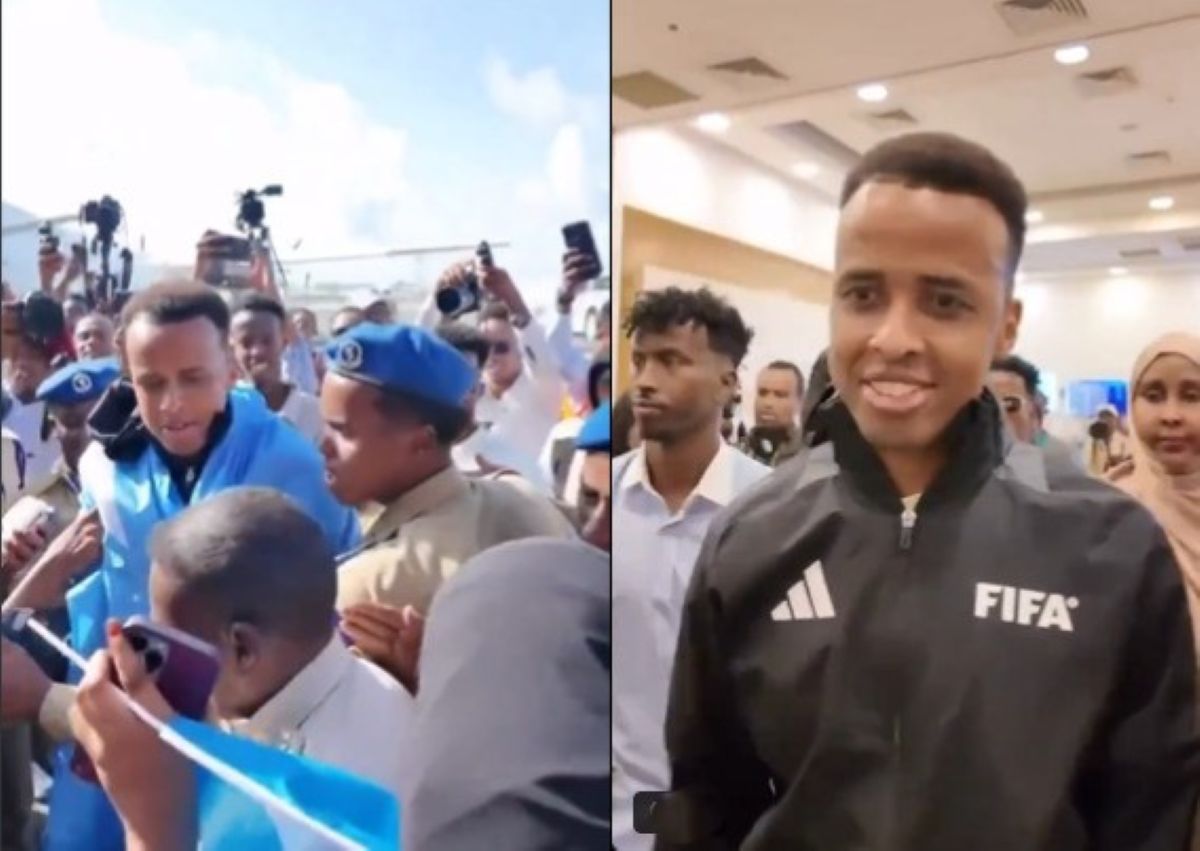
US border agents stopped Somali referee Omar Abdulkadir Artan from entering Miami last weekend despite his valid visa and diplomatic passport. Officials called him a security threat with suspected terror links and grilled him for 11 hours about Al Shabab. The referee flew home to a hero’s welcome in Mogadishu on June 10, 2026.
Omar Abdulkadir Artan stepped off the plane into cheering crowds. Flags waved wildly. People lifted him onto their shoulders. The 34-year-old referee had dreamed of this World Cup moment for years. He nearly made history as the first Somali to officiate matches in the tournament that kicks off this week across North America.
Instead, he spent hours under bright lights at Miami International Airport. Agents fired questions at him. They wanted details on his connections back home. Artan held his papers tight. He had cleared every check in advance.
The US Embassy in Nairobi had approved his three-month multiple-entry visa. FIFA had selected him among 52 top officials. None of that mattered once he reached the border.
Why did US officials reject the Somali referee at the border?
They rejected him over vetting concerns. Andrew Giuliani, who heads the White House World Cup task force, backed the call. He told reporters the decision came after talks with Homeland Security leaders. A Trump administration official speaking without a name attached added that agents found derogatory information.
The traveller was associated with suspected members of terror organisations, they said. This made him ineligible under the Immigration and Nationality Act.
Trump officials moved fast to defend their stand. They pointed to Somalia’s challenges with Al Shabab, an Al Qaeda affiliate that operates across the region. Agents pressed Artan hard during that long interrogation.
They asked repeatedly about the militant group. Artan later described the ordeal to reporters. He said he had the right papers and everything. The process left him exhausted and stunned.
Back in Mogadishu, the mood switched to celebration. Thousands gathered at the airport on June 10. They draped Artan in the Somali flag. Cars honked. The drums beat. Locals saw the denial as an insult to their country and its rising sports star.
Artan, who earned Confederation of African Football referee of the year honours in 2025, rose from local pitches in the capital. His selection had sparked huge pride across Somalia. Now many view him as a symbol of resilience against powerful forces abroad.
During a conversation with supporters upon landing, Artan spoke with quiet strength. He expressed deep disappointment yet thanked everyone for the love. In his talk he noted the barriers he faced despite full accreditation.
FIFA confirmed the referee cannot train or officiate from the Miami hub. President Gianni Infantino addressed the broader visa headaches. He called the Artan situation unfortunate.
The episode highlights broader tensions. Somalia sits on the US travel restriction list revived under the current administration. Similar obstacles have been encountered by teams and journalists from different countries.
Senegalese players, Uzbekistani staff, and Iranian media crews reported extra hurdles. Organisers push for smooth access to keep the 48-team tournament truly global. Critics fire back that security must come first, especially with groups like Al Shabab still active in East Africa.
Artan’s story spread quickly. Social media lit up with support from across Africa and beyond. Fans posted videos of the Mogadishu welcome. They praised his professionalism on the field, where he handles high-stakes matches with calm authority.
US Customs and Border Protection remained resolute. They cited the need to protect national security. The Trump team repeated that anyone communicating with dangerous actors who plan harm against the United States will not gain entry.
Officials blended this case into larger efforts to tighten borders. They reviewed dozens of World Cup-related travellers under fresh protocols.
Artan now rests among family and friends. He plans to stay involved in Somali football development. Local leaders promise to fight for greater recognition of African referees on the world stage.
Related Posts

60 Years of Struggle: From Politics to WAFCON
Women’s football was part of a broader social movement long before the first major tournaments ever took place. The foundations were built back in the…

Meridianbet Named Presenting Partner of UFC Fight Night in Serbia
BELGRADE, Serbia, July 25, 2026 — Meridian Holdings Inc. (NASDAQ: MRDN) (the “Company”) today announced that the Company’s subsidiary Meridianbet has been named Presenting Partner…

Carlos Baleba Edges Closer To Manchester United Move
Brighton midfielder Carlos Baleba edges closer to a Manchester United move as his inner circle reaches out directly to Old Trafford chiefs this week. The…

Manchester City Completes Elliot Anderson Record Signing
Manchester City shook up football when they announced the arrival of Elliot Anderson today. The club paid a huge fee to land the talented midfielder…