
Gachagua Expose Ruto’s Sh80M House Gift to IEBC Chair Ethekon

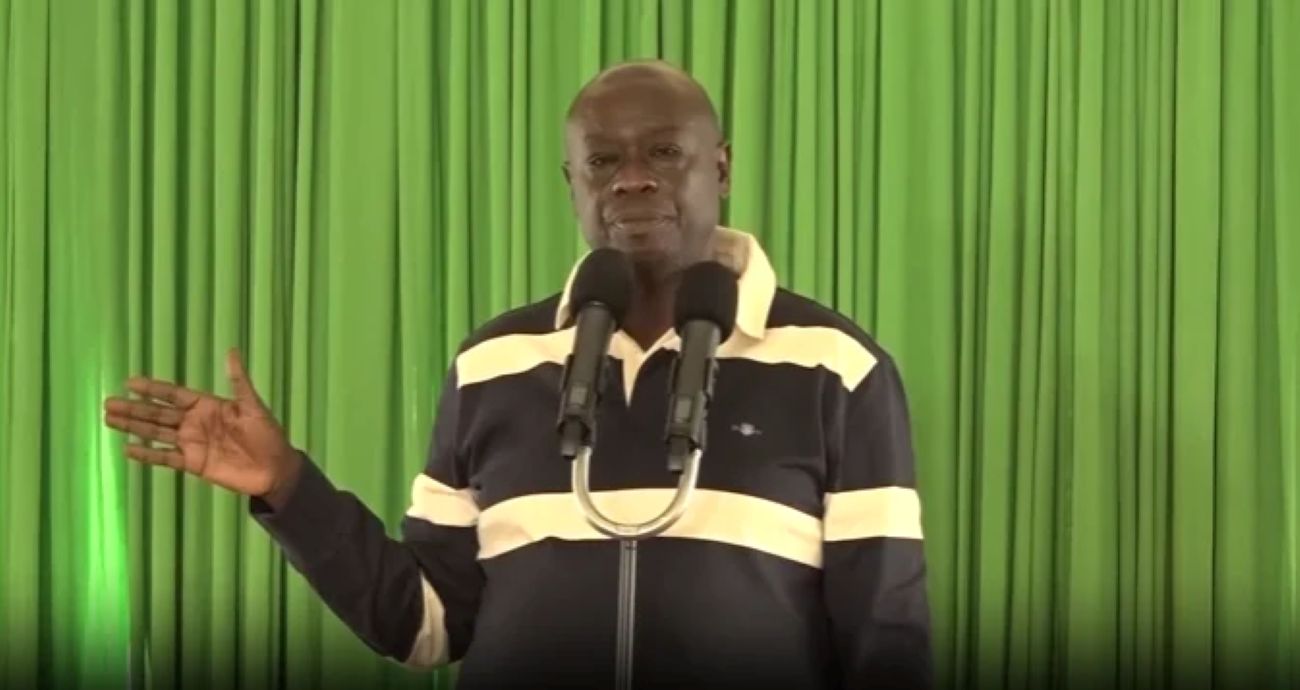
Rigathi Gachagua dropped bombshell claims today that President William Ruto purchased an expensive property worth 80 million shillings in Karen for the new IEBC chairman Erastus Ethekon. The former deputy president made the explosive allegation during a public address that quickly spread across social media platforms and sparked fresh debate on influence within electoral bodies.
The accusation comes at a sensitive time. Ethekon took over leadership of the Independent Electoral and Boundaries Commission after his appointment last year. Critics already question the body’s independence ahead of future polls. Gachagua insists this house deal reveals deeper problems. He addressed the crowd with passion and warned about compromised institutions.
What exactly did Gachagua say about the alleged house purchase?
Rigathi Gachagua told supporters that Ruto bought the luxury home to secure loyalty from the IEBC chairman. He spoke with clear conviction. “They think we don’t see these things happening right under our noses,” he declared during his talk. The former deputy president painted a picture of favouritism that he says undermines public trust in key appointments.
Observers in political circles reacted fast. Some dismissed the claims as sour grapes from a fallen ally. Others called for immediate investigation into the property transaction. Records show Karen remains one of the most upscale neighbourhoods near the capital, with properties often fetching high prices. An 80 million shilling home fits the profile of gated estates with expansive grounds and premium finishes.
Gachagua built on his point. He referenced past dealings and patterns of reward that he witnessed firsthand while in office. During a conversation with party faithful, he added more details about how such arrangements work. “This is how they capture important offices,” he stated. His words carried weight for those already sceptical of the current administration’s moves on electoral matters.
How does this claim affect public confidence in the electoral commission?
Erastus Ethekon now faces fresh scrutiny over his role and assets. The chairman declared his net worth during vetting processes earlier as around 276 million shillings from land, livestock, shares, and vehicles. Yet the specific Karen property allegation adds fuel to questions about sudden wealth jumps. Gachagua pushed hard on this angle. He urged citizens to demand transparency from all state officers.
The timing hits hard. Recent appointments to the commission drew mixed reviews from various quarters. Ethekon replaced the previous leadership that oversaw the 2022 general election.
President Ruto moved swiftly to reconstitute the team in 2025. Sources close to the matter note the commission prepares for by-elections and potential future national votes where neutrality matters most.
Gachagua did not stop at one claim. He wove in broader observations about governance. In his speech he highlighted how such alleged gestures create obligations.
“Leaders should serve the people, not buy loyalty with taxpayer resources or hidden favours,” he told the gathering. His delivery grew more intense as he listed examples from recent years.
Crowds nodded along. Some shouted agreements. The atmosphere crackled with energy typical of these fiery political rallies. Sensory details stood out too. Sweat beaded on foreheads under hot lights. The smell of dust mixed with excitement in the air. Gachagua paused at key moments for effect. He let his points land.
Political analysts note this fits a pattern of escalating rhetoric between the president and his former deputy. Their fallout became public months ago. Since then, Gachagua has positioned himself as a voice highlighting irregularities. Property dealings often dominate such exposés because they resonate with ordinary citizens struggling with high living costs.
Why do Karen properties feature so prominently in these political stories?
Luxury homes in that suburb symbolise success and access to power. Many officials maintain residences there. Values climbed steadily over the past decade due to security, privacy, and proximity to the city centre. An 80 million shilling tag signals serious money even by local standards for high-end real estate.
Gachagua urged action. He called on oversight bodies to probe the matter thoroughly. “We cannot afford another scandal that erodes faith in our democratic processes,” he said in his address. His message reached far beyond the venue through shares and clips online.
Supporters of the government pushed back quickly. They labeled the claims baseless and motivated by personal grudges. No immediate confirmation or denial emerged from State House or the IEBC chair himself. Silence sometimes speaks volumes in these heated exchanges.
The story continues to develop. Social media buzzes with opinions from all sides. Some demand asset audits for senior officials. Others focus on the need for electoral reforms that insulate institutions from political interference. Gachagua tapped into existing frustrations about governance and fairness.
He reminded listeners of his own history with property. Years earlier, he explained acquiring his Karen home through savings and loans from cooperatives. That backstory adds irony to his current accusations. Yet he turns it into strength. “I worked for mine openly,” he contrasted during the event.
Facts on the ground matter. The IEBC plays a central role in maintaining credible elections. Any hint of bias or undue influence raises the stakes for stability. Past cycles showed how disputes over such bodies can lead to unrest. Citizens remember those tensions clearly.
Gachagua closed his remarks with a call to vigilance. He encouraged people to stay informed and hold leaders accountable. His voice echoed as the crowd dispersed. Questions linger. Will authorities investigate this specific allegation? How will Ethekon respond if pressed? The coming days promise more revelations or rebuttals.
Related Posts
Ukambani MP Tells Canada NGO to Return Boreholes to Canada
In the Mwingi Central constituency within Kitui County, MP Gideon Mulyungi recently addressed a gathering and warned Life Water Canada that the group must involve…

KCB’s Rosemary Koech Death Reveals Years of Marital Strife
Family members of KCB executive Rosemary Chemutai Koech Kimwatu point to her husband after police find her body in a Ngong house in Kajiado County…

Ruto: Sifuna ni fala anataka tusimamishe mradi wa Affordable Housing
President William Ruto stood before crowds in Eldoret, Uasin Gishu County, on Thursday, August 13, 2026, and branded Nairobi Senator Edwin Sifuna a fool for…
CO-OP BANK REPORTS A STRONG 17.3 PERCENT GROWTH IN PROFIT TO KSH…
Co-op Bank has posted a strong profit before tax of KSh 23.1 billion for the half year ended 30 June 2026, compared to KSh 19.7…