
LSK President Kanjama Defends Court Boycott by Lawyers Today

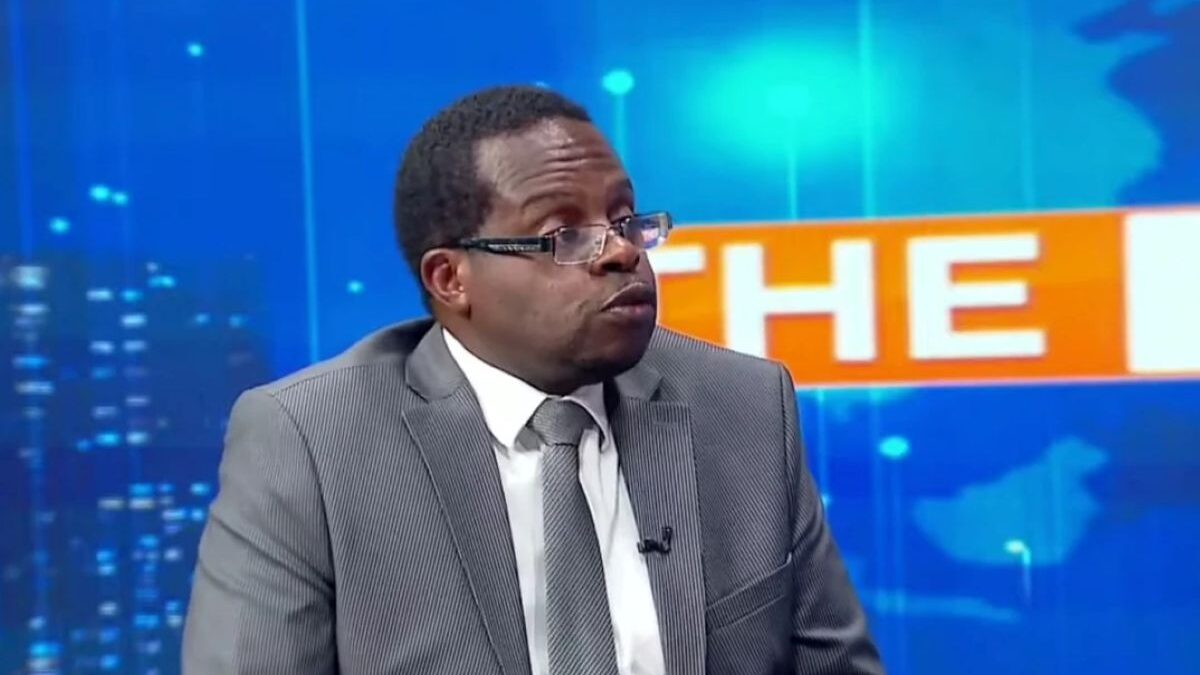
Lawyers boycotted courts today after LSK President Charles Kanjama accused judges of interference that blocks proper accountability. The action targets judicial officers who grab court orders to halt disciplinary probes before the Judicial Service Commission even reviews complaints. Kanjama stepped up to defend the move and push back against tactics that sidestep oversight mechanisms built into the constitution.
Charles Kanjama stood firm. He laid out exactly why the Law Society of Kenya called for the boycott. Judges and other judicial officers keep running to courtrooms to grab orders. These orders freeze the whole process. They stop the Judicial Service Commission from doing its job.
Kanjama made his position crystal clear. The constitution sets up the Judicial Service Commission to handle complaints against judges and judicial officers. It starts with a preliminary review. Then the commission seeks a response from the officer involved. Simple steps. Yet some officers ignore them completely.
Why do judges rush to courts to stop disciplinary actions?
They obtain orders that prevent the Judicial Service Commission from considering cases at all. Kanjama explained how this conduct undermines accountability. Officers refuse to appear before the very body created to watch over their behaviour. They block the system instead of facing questions. This pattern frustrates everyone who expects fair oversight in the justice sector.
The LSK leader pointed to a specific example that raised eyebrows. A judge appeared in an Ethics and Anti-Corruption Commission probe. That judge quickly secured court orders.
Those orders halted the commission from moving forward with its investigations. The same orders demanded that related court hearings stay private. Kanjama highlighted this case to show how far some officers go to avoid scrutiny.
Tensions rose quickly across court corridors. Lawyers stayed away in large numbers. They left courtrooms empty and hearings postponed. Many legal professionals voiced support for the boycott.
They argued that endless interference damages public trust. One senior advocate noted that repeated delays in accountability lead ordinary citizens to question whether anyone is truly monitoring the actions of those in power.
Kanjama addressed the people on a radio interview. “The constitution has established the Judicial Service Commission as the body mandated to handle disciplinary complaints against judges and judicial officers, beginning with a preliminary review before seeking a response from the officer concerned.”
He continued with force. Instead of responding to complaints, some judges and judicial officers have rushed to court to obtain orders stopping the JSC from considering the cases, preventing the commission from carrying out its constitutional mandate. “The statement landed hard. Lawyers nodded in agreement. They saw firsthand how these manoeuvres stall progress.
How does such interference affect accountability for judicial officers?
It stops the entire process dead in its tracks. Officers avoid facing the institution designed to review their conduct. Kanjama claims this refusal has weakened the whole framework.
It creates a shield that ordinary citizens cannot pierce. Public frustration grows when stories like the Ethics and Anti-Corruption Commission case surface. People wonder why investigations suddenly vanish behind private court doors.
The boycott sent ripples through the legal community. Some judges reacted with surprise. Others dismissed the action as unnecessary drama. Yet Kanjama held his ground.
He accused certain officers of frustrating accountability at every turn. They grab orders before complaints even get a fair hearing. This tactic protects the powerful while leaving the system vulnerable.
Recent complaints filed in early 2026 faced immediate court blocks by mid-year. The pattern repeats. Officers act fast to secure injunctions. Meanwhile, the Judicial Service Commission sits idle, waiting for clearance that never comes.
Kanjama pushed for change. He wants the commission to exercise its full authority without constant court interruptions. Lawyers joined the boycott to highlight this exact problem.
They hope the empty courtrooms force a conversation. Real reform could follow if leaders listen. Citizens deserve judges who answer complaints openly rather than hide behind legal manoeuvres.
The action also spotlighted more profound issues in how the justice system polices itself. Kanjama cited the constitution multiple times. He stressed that the Judicial Service Commission must lead disciplinary matters from start to finish.
Preliminary reviews exist for a reason. They filter serious issues before demanding responses. When officers bypass this step, they erode the foundation.
Observers in the legal field describe a growing divide. Some support the judges who seek court protection. They argue it prevents unfair harassment. Others back Kanjama fully. They see the boycott as a necessary stand. Short sentences capture the mood. Anger simmers. Trust fades. Courts feel the absence.
Kanjama kept his message direct during conversations with reporters. He described how some officers refuse to appear before the institution created to oversee their conduct. His tone stayed measured yet firm. The LSK president believes the boycott will spotlight the urgent need for respect toward constitutional bodies.
As the day unfolded, more lawyers shared similar stories. They recalled colleagues who waited weeks for hearings only to learn another order had frozen the case. Geographic details emerged too.
Incidents clustered around major courthouses in Nairobi and other key towns. The impact spread wide. Small cases piled up. Justice delayed became justice denied for everyday people.
The boycott carries risks. Critics warn it could strain relations between the bar and the bench. Kanjama acknowledged those concerns but refused to back down. He insists the move protects the integrity of the entire profession.
Lawyers want accountability restored. They demand that judges face complaints through proper channels. No more shortcuts. No more private orders that shield the powerful.
Multiple complaints against judicial officers surfaced in the first half of 2026. Several faced immediate court blocks. The Judicial Service Commission reported stalled cases that should have moved to full review by now. Exact figures remain private, yet insiders confirm the trend worries many.
Kanjama closed his defence with a call to action. He urged all stakeholders to respect the constitutional roles laid out clearly. The Judicial Service Commission needs space to work. Officers must respond rather than run. Lawyers made their point today through absence. The message echoed loudly in silent courtrooms. Change must come. Accountability cannot wait.
Related Posts

LSK President Kanjama Defends Court Boycott by Lawyers Today
Lawyers boycotted courts today after LSK President Charles Kanjama accused judges of interference that blocks proper accountability. The action targets judicial officers who grab court…

Shocking Collapse, Death of ODM Goon Elvis Beast Otieno in Mombasa
Youth mobiliser Elvis Beast Otieno collapsed and died in Mombasa right after he cheered during the World Cup final. Friends watched in horror as the…
Green Blazers Mark Senators’ Victory in Ol-Kalou By-Election
DCP-allied senators walked into Parliament wearing matching green blazers to celebrate their win in the Ol Kalou by-election. The coordinated outfits turned heads on July…

Ruto Declares Full Free Higher Education ‘Tumeweka Mpango’
President Ruto announced major changes for students across the nation. He promised full funding for every learner who passes exams and secures placement in universities…