
Men Performing Ruqyah Exorcism Viral Video on Woman Stuns Viewers
 Adhis Okena — July 6, 2026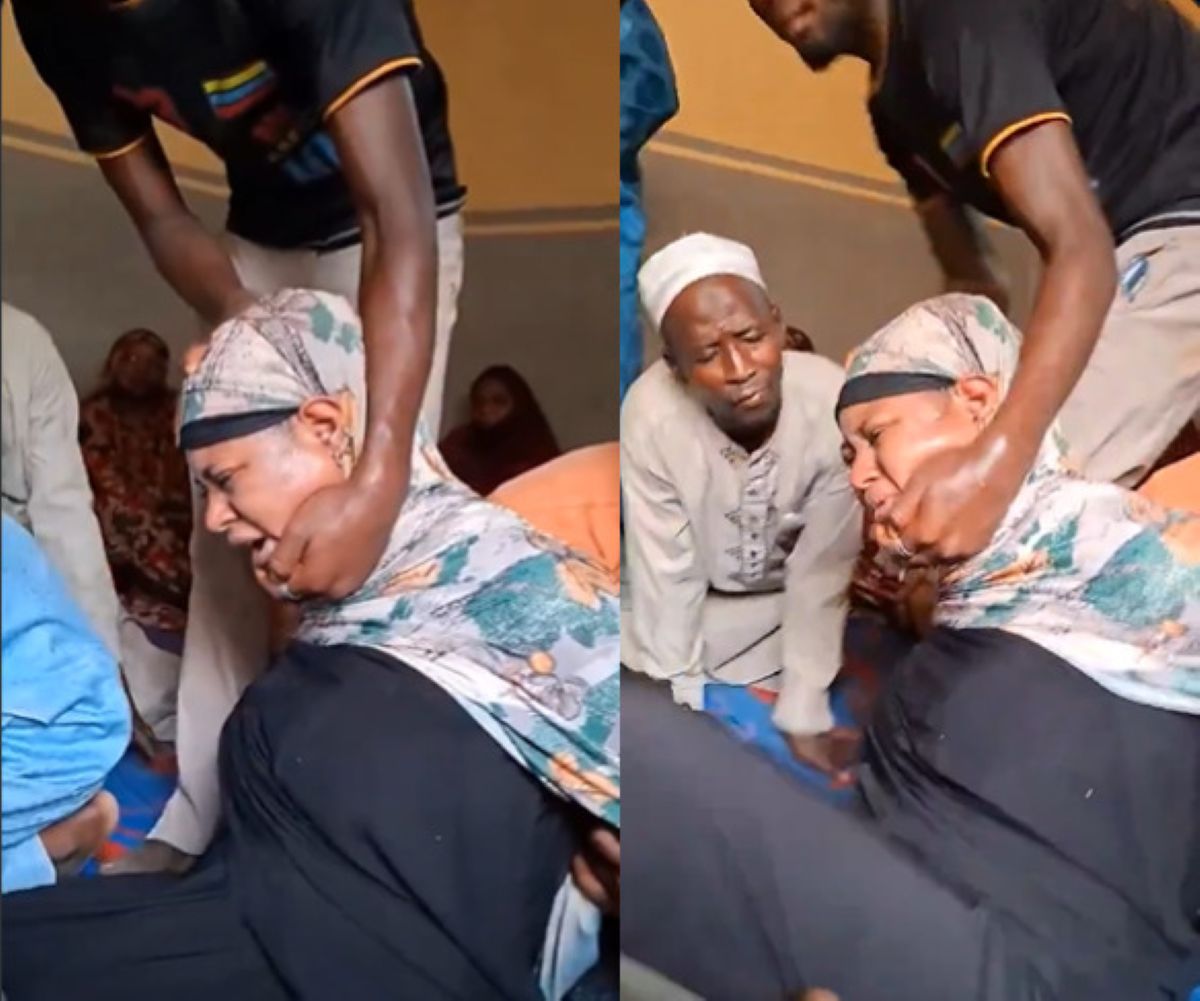
Women and men hold down a distressed woman as they chant Islamic verses to drive out a supposed evil spirit in a northern Nigerian town. The raw footage of this ruqyah exorcism has raced across social media platforms since early July 2026 and now stirs heated conversations about faith-healing practices.
Men in traditional attire press firmly on the woman’s shoulders and head. Sweat covers her face while her body twists. One man in a white cap leans close and recites loudly in Arabic and Hausa. The woman gasps and struggles against their grip during the intense session captured on camera.
What exactly happens during these ruqyah sessions that grip public attention?
Practitioners recite specific Quranic verses they believe weaken and expel jinn, or invisible spirits, from the possessed person. They often combine prayer with physical restraint to prevent the individual from harming herself or others around her.
The clip surfaced on July 5, 2026, through a social media account that simply asked viewers to explain the actions. Within hours thousands shared it. Many users expressed shock at the forceful methods. Others defended the practice as a standard way families seek relief when modern medicine fails to explain sudden behavioural changes.
Local healers in states like Kebbi and Kano have performed similar rituals for generations. Families turn to ruqyah when they notice symptoms such as unexplained convulsions, speaking in strange voices, or aversion to prayer.
One participant in a past session from Sokoto described how the afflicted woman screamed names of spirits before growing calm after hours of recitation.
Why do families choose ruqyah over hospital care for possession cases?
Strong belief in spiritual causes leads many to faith healers first, especially in rural communities where clinics remain scarce. A 2022 survey across northern states found over 65 per cent of Muslim households consulted religious experts for mental or unexplained physical ailments before seeking doctors.
The woman in the viral video wears a colourful headscarf and dark clothing. She lies on a mat as several people surround her. A younger man in a black t-shirt holds her jaw while the leader places hands on her head. Her eyes dart wildly at times, then close as the chants continue without pause. Observers in the room murmur prayers in the background.
This latest footage joins a long line of exorcism videos from the region. Similar recordings from 2024 and 2025 showed women leading sessions in women’s groups while male clerics handled mixed or severe cases.
Cultural experts note that belief in jinn forms a core part of daily life for millions. Parents teach children from a young age to recite protective verses before sleep or travel.
Critics online call the methods outdated and potentially dangerous. They point to risks of injury when people restrain someone in distress. Supporters counter that gentle but firm contact helps protect everyone present until the spirit leaves.
A healer from Katsina once explained in a public talk, “We hold them with care because the jinn fights hard to stay. The body feels pain but the soul gains freedom.”
How common are jinn possession beliefs across northern communities today?
Estimates suggest millions still accept them as real. Traditional Islamic scholars train specifically in ruqyah and travel between towns offering services. They charge modest fees or accept gifts from grateful families.
The intense physical elements stand out in this particular recording. Hands press down firmly, yet the recitations stay steady and rhythmic. The woman’s face shows strain with tears mixing with sweat. At moments she opens her mouth wide as if responding to the verses. Men adjust their grip to keep her secure on the floor mat.
Broader discussions now question regulation of these healers. Some states push for certification programmes to ensure safety. Religious authorities emphasise proper training in Quranic recitation to avoid harm. Meanwhile, the video keeps circulating and racks up views as people debate what they witnessed.
This event reminds everyone how faith shapes responses to suffering in the region. Families gather not just for healing but for communal support during crises. The chants echo long after the camera stops rolling and leave viewers with plenty to ponder about belief and tradition in the 21st century.
Related Posts

Charlene Ruto Traditional Wedding with Husband Isaya Yunge
Tanzanian internet entrepreneur Isaya Yunge stands ready to join First Daughter Charlene Ruto in a landmark traditional ceremony this Saturday, August 8, 2026, at the…

Charlene Ruto Prepares for Dowry Koito Ceremony: Who is the Husband?
President William Ruto’s daughter Charlene Ruto steps into a major life moment as her Koito ceremony draws near at the family farm in Kilgoris this…

Arrow Bwoy Backlash On Nadia Mukami Side Chick Claim, Ntazola Questions
Arrow Bwoy stirred massive backlash after he publicly described Nadia Mukami as his former side chick during a recent interview. Critics slammed him hard for…

Popular Eldoret Sex Workers Reveal Dark Kalenjin Encounters ‘Niliekwa Missionary Kwa Matope…
A woman who lived in Eldoret for a decade opened up about terrifying nights with certain clients. Sex workers there shared raw stories of betrayal…