
Murang’a Governor Kangata Slams Ruto-Moi Style Rule

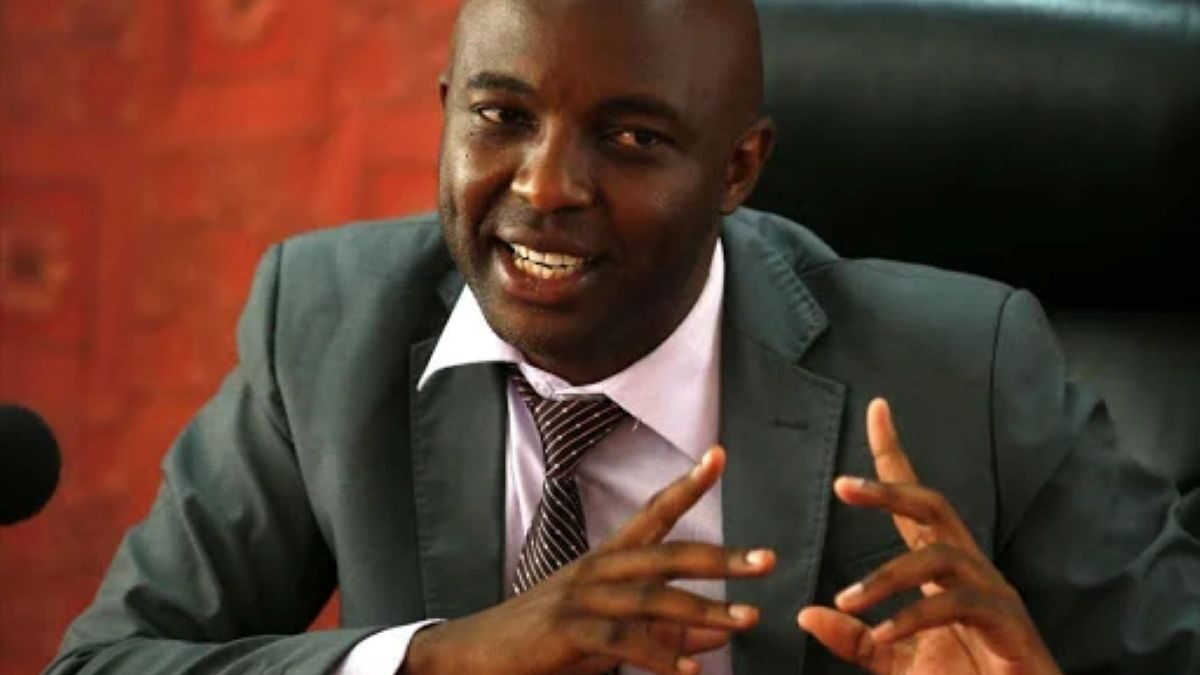
Murang’a Governor Irungu Kang’ata spoke out sharply on Radio Generation and tied growing anger across the Mount area to President Ruto’s leadership approach that echoes former President Moi.
Residents expected real development after the UDA win yet received constant harambees instead. This shift left many voters in the region wondering if they picked the wrong team at the ballot box and why the governor now rejects any 2027 ticket talk.
Irungu Kang’ata did not hold back during the radio interview. He painted a picture of disappointment that runs deep in Murang’a and surrounding spots in the Mount region. People waited for tangible projects. They got fundraising drives that never seemed to end.
The governor described how this pattern eroded trust fast. Voters who supported the current administration are now reconsidering their choice. They see little progress on the ground. Kang’ata made clear that the blame points straight to the top leadership style.
What caused the Mount region’s fallout with the Ruto administration?
Residents grew tired of endless harambees instead of steady development projects they anticipated after the power shift. Kang’ata told listeners the repeated fundraising demands replaced the growth promises that swept UDA into office. He noted how local frustration built quickly once people realised the gap between expectations and reality.
The governor recalled specific moments when constituents voiced their regrets. They supported the team at the ballot. Now many openly question that choice. Kang’ata said the leadership approach mirrors tactics from earlier eras focused more on mobilisation than delivery.
He addressed the crowd of radio listeners with blunt honesty. “Instead of experiencing the development they expected after UDA took power, residents were met with endless harambees.”
This admission carries weight coming from a sitting governor in a key area. Murang’a plays an important role in regional politics. Kang’ata knows the mood on the ground. He watches daily interactions with voters who once showed strong enthusiasm.
Does Irungu Kang’ata plan to join Edwin Sifuna in 2027?
No. The governor dismissed those rumours outright and stated he holds zero interest in the president or deputy president roles. Kang’ata stressed his sole focus remains defending his seat as Murang’a governor. He wants to continue serving right there at the county level, where he believes he makes the biggest difference.
During the conversation he explained his position with clear conviction. Kang’ata insisted that speculation about higher office distracts from real work ahead in Murang’a. He plans to pour all energy into local issues that affect families every day. Roads. Health facilities. Youth opportunities. Those priorities top his list.
Political insiders note how this stance sends a strong signal ahead of future contests. Kang’ata chooses to stay grounded in the county rather than chase national tickets.
He addressed the crowd during the radio session and reinforced his commitment. His words carried the tone of a leader who knows his lane and intends to stick to it.
The broader context reveals deeper currents at play. Many areas that delivered strong support during the last election cycle now show signs of fatigue. Residents report attending multiple harambees each month.
They contribute what they can yet see limited matching infrastructure gains. Kang’ata highlighted this mismatch as the core reason for the shift in sentiment.
He drew direct comparisons to past governance patterns. The governor suggested that certain mobilisation techniques feel familiar to older voters who lived through previous administrations.
This perspective resonates with people tired of repeated calls for personal donations instead of structured government programmes.
The timing of his comments adds extra layers. With 2027 on the horizon, political calculations intensify. Yet Kang’ata refuses to get pulled into ticket speculation. He keeps the message simple.
This approach might appeal to voters who want leaders who stay connected to the grassroots. Kang’ata understands the daily struggles in Murang’a. He talks about schools that need upgrades.
Farms that require better support. Markets that deserve improved facilities. These concrete needs drive his agenda. The governor wrapped up his radio session with a firm reminder. Leadership means showing up consistently for the people who elected you.
He believes staying in Murang’a allows him to do exactly that. No detours. No distractions. Just steady work at the county level.
As the conversation ended, listeners likely walked away with a clearer sense of where Kang’ata stands. He calls out the leadership style he sees as problematic.
He explains the voter regret he encounters. And he draws a line on his own political future. The message lands direct and unfiltered. The governor shows no signs of backing down from his critique or his commitment to the county seat. He keeps the conversation alive.
Related Posts
Oburu Odinga Mocks Gachagua Celebration Over Ol Kalou Win
Oburu Odinga directly challenged Rigathi Gachagua and the DCP party over their Ol Kalou by-election triumph in a sharp address from Siaya. The veteran politician…
Murang’a Governor Kangata Slams Ruto-Moi Style Rule
Murang’a Governor Irungu Kang’ata spoke out sharply on Radio Generation and tied growing anger across the Mount area to President Ruto’s leadership approach that echoes…

Court Reject Zenka Claim For Benson Njeru Punitive Loan Debt
A judge blocked a digital lender from collecting Sh152,000 from borrower Benson Njeru after he took a Sh76,000 loan. The court rejects the digital lender’s…
Aisha Jumwa Slams ODM Colleagues Over 2027 Zoning Debate
Aisha Jumwa fired strong words at her ODM counterparts inside the broad-based government as they push zoning talks ahead of the 2027 elections. The UDA…