
Kenyans Drink More Soda as Mbadi Claims Ruto Economy Success

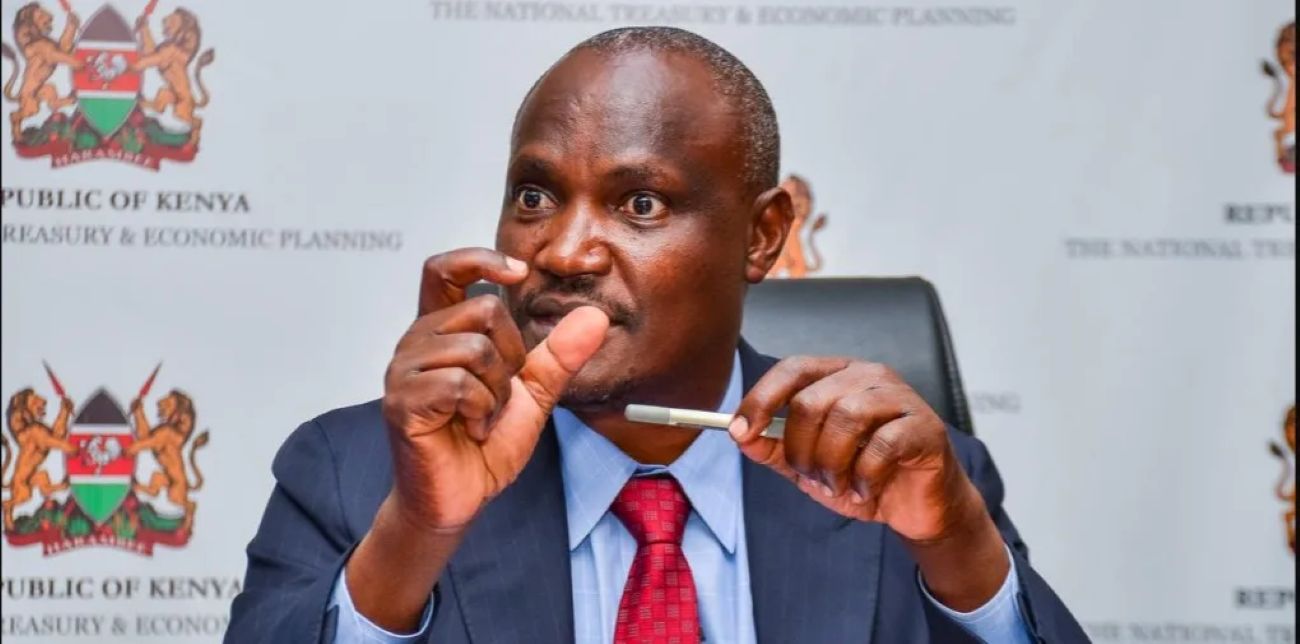
Treasury Cabinet Secretary John Mbadi told a gathering in Kenya on Tuesday, 11 August 2026, that rising soda intake proves citizens now hold extra cash in their pockets and that this progress stems directly from his own efforts, which the public ought to praise.
Crowds packed the room as the finance chief stood at a bank of microphones under bright lights. He gestured with both hands. His voice rose and fell. Behind him several men in suits and caps watched closely.
Some broke into laughter when he pressed his point. Mbadi declared that Kenyans drink more soda these days precisely because they possess greater purchasing power. That single fact shows the work he has put in at the National Treasury. He insisted the nation should celebrate him for it.
He framed the trend as clear evidence of improved household budgets. People once treated soft drinks as rare treats. Now they reach for them more often. Mbadi tied the change to broader economic steps taken since he took the post.
He argued the extra spending on carbonated drinks signals real gains in disposable income across towns and villages from Nairobi to the lakeside regions.
Local production numbers back part of the picture. Official records from the Kenya National Bureau of Statistics show carbonated soft drink output hit 703 million litres in 2025.
That figure marked a 27 percent jump from the 551.4 million litres recorded a decade earlier in 2015. Factories in Mombasa and other industrial zones kept lines running longer to meet demand.
Urban shops and rural kiosks restocked shelves faster. Yet many families still struggle with the cost of maize flour, sugar, and cooking oil. Critics quickly seized on the mismatch.
Why Does Mbadi Link Soda Intake to Economic Gains?
Mbadi links higher soda sales straight to greater household cash and views the trend as proof his policies deliver results that deserve public praise. He spoke with force during the Tuesday session. The finance minister said ordinary Kenyans now buy soft drinks because their wallets feel heavier.
He presented the observation as personal validation. “That tells you I have been working and I should be celebrated,” he stated in a public address captured by those present. The room reacted with mixed expressions. Some nodded. Others chuckled openly.
The claim lands against a backdrop of mixed economic signals. Savings across the country climbed to Sh2.85 trillion recently. NSSF contributions reached Sh700 billion. The Nairobi Securities Exchange hit a market capitalization of Sh4.01 trillion. Foreign exchange reserves covered 6.4 months of imports.
Inflation stayed relatively steady according to figures Mbadi himself cited at a Naivasha meeting a day earlier. President William Ruto publicly praised the Treasury chief on 10 August 2026 for explaining government economic plans clearly and for performing strongly in the role. Ruto noted Mbadi grasped the agenda faster than most and communicated it better than previous holders of the office.
Still, the soda argument struck many as odd. Ordinary residents pointed out that a cold bottle of cola or orange fizzy drink ranks far below staple foods on any family shopping list.
One netizen observed that households would rather see lower prices for flour and other basics than celebrate extra soft drink purchases. Production growth of 27 percent over ten years shows companies sell more volume. It does not automatically mean every household enjoys rising living standards. Some areas continue to face high transport costs and uneven job opportunities.
Mbadi has spent months defending the administration’s record. He previously outlined how the government cut nonessential spending after earlier protests and managed maturing loans without fresh tax hikes.
He pushed the Treasury single account system that cut overdraft costs at the Central Bank by 61 percent in the current financial year. Those steps freed resources and improved cash control. He also oversaw clearance of verified pending bills worth tens of billions of shillings to inject money into the wider economy. The soda remark appears to form part of that larger narrative of recovery and resilience.
How Have Soft Drink Sales Grown Across Kenya?
Soft drink sales have expanded steadily, with national output reaching 703 million liters in 2025 after a decade of consistent volume increases driven by urban demand and wider distribution. Companies expanded factory capacity in coastal and central regions.
New brands entered the market seeking lower price points. One Tanzanian investor announced plans for a Sh6.5 billion plant in Mombasa aimed at undercutting existing prices with bottles selling near 15 shillings. Established players continued heavy promotion through shops and roadside vendors.
Consumption patterns follow daily rhythms. People often reach for a cold soda with lunch or in the hot afternoon. Meals account for a large share of occasions. Cola remains a top flavour choice, though orange and other variants hold strong shares. Health discussions surface regularly.
Some residents admit they drink multiple litres each week and find the habit hard to break. Doctors warn about sugar content and long-term risks. Yet sales keep climbing. The gap between production growth and everyday complaints about living costs fuels the current debate.
Mbadi delivered his remarks with energy. He raised a hand for emphasis. He locked eyes with the audience. The men standing beside him smiled and laughed at moments. The scene unfolded under the gaze of cameras from Sauti TV and other outlets.
The speech spread quickly online. Reactions poured in within hours. Some called the logic strange. Others treated it as typical political bravado. A few defended the point that discretionary spending on nonessentials can serve as one rough marker of improved cash flow.
The finance chief has faced other scrutiny this year. The Controller of Budget earlier questioned approvals of more than Sh43 billion in extra funding for various agencies. He has also clarified tax measures and pushed privatization of state assets as a way to raise cash without new levies on citizens.
Through it all he maintains that core indicators point upward. Forex cover remains solid. Capital markets set records. Savings grow. He now adds rising soda volumes to that list.
Kenyans continue to weigh the claim against their own experiences. In Nairobi markets vendors report steady soft drink movement on busy days. In smaller towns the same bottles appear on shop counters next to bags of maize meal. Families balance limited budgets carefully.
A bottle of soda may brighten a meal, yet it rarely replaces the need for cheaper staples. The 27 percent production rise over ten years remains a hard number. Whether it proves broad prosperity remains open to interpretation.
Mbadi shows no sign of retreating from the position. He presents the trend as validation of effort at the Treasury. He asks for recognition. The public conversation rolls on with the original statement still circulating widely. Economic data from official sources sits alongside street-level realities.
Related Posts

New Emurua Dikirr MP David Keter Outrage After Demeaning Woman
Recently elected Emurua Dikirr MP David Keter sparked fierce public anger across Kenya when he publicly told a woman seeking assistance to sit down and…

Kenyans Drink More Soda as Mbadi Claims Ruto Economy Success
Treasury Cabinet Secretary John Mbadi told a gathering in Kenya on Tuesday, 11 August 2026, that rising soda intake proves citizens now hold extra cash…
Governor Mutula Kilonzo Junior to Exit Politics in 2032
Makueni County residents heard a clear pledge this week as their leader Mutula Kilonzo Junior declared that any win in the following polls would mark…

Gachagua Draws Thousands During Narok East DCP Tour
Former Deputy President Rigathi Gachagua packed roads and grounds in Narok East on Monday as his Democracy for the Citizens Party push gathered force. Huge…