
Luo Leader Warns of Curse for Non-Ruto Votes in 2027
 Adhis Okena — August 3, 2026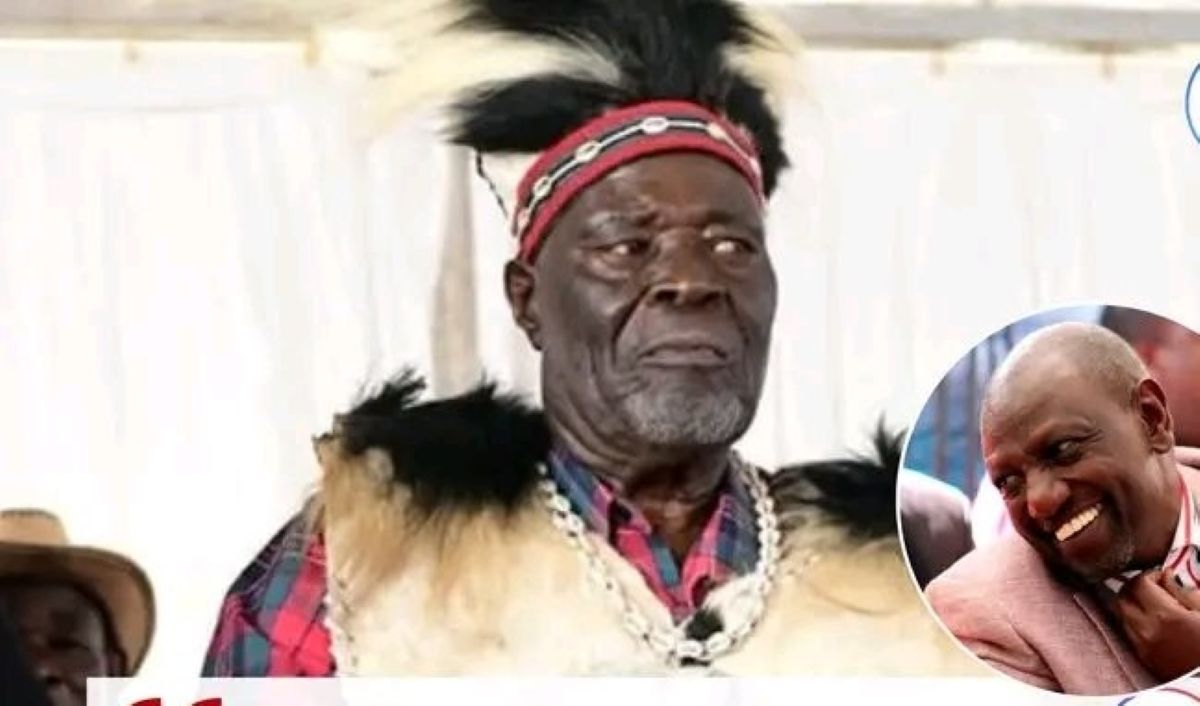
Randa the Luo elders leader spoke out in Kenya recently and told community members they must back President William Ruto for the Ruto 2027 race or face a curse that hits them and their children because Raila Odinga left the group in his care. Critics say the words abuse old customs and put free ballot choices at risk.
Randa stood before his people and made the call clear. He pointed to the path Raila Odinga set and said the group must stay on it. Support for Ruto forms the only safe road now. Anyone who turns away invites bad fortune that lasts across generations.
The message spread fast through phones and online shares across western Kenya towns and beyond. People heard it in markets and homes. Some nodded along. Others shook their heads hard.
The leader framed the choice as a duty passed down. He told listeners that Raila Odinga trusted Ruto with their future. Walking away from that trust breaks an old bond. The curse then follows the person and their line.
Why Does the Luo Leader Warn of a Curse Now
He claims Raila Odinga left the community with Ruto so votes must follow that line to avoid harm. Randa used his position as an elder to push the point with force. He spoke as someone who holds cultural weight among Luo people. The warning targets those who might choose another candidate in the next national race. He said misfortune would strike hard if the support fails to appear.
Future children would carry the weight too. This kind of talk pulls old beliefs into the middle of modern campaigns. Voters in Nairobi and rural areas alike heard the echo. Many felt the pressure right away.
Critics pushed back at once. They called the statement an abuse of traditional authority. They argued it threatens democratic voting rights and conscience-driven choices. Free will at the polls matters more than any elder’s command.
One common view holds that leaders should never mix curses with ballot boxes. People asked why such strong words stay silent on past violence or corruption cases. The silence on those issues stands out. It leaves the curse looking selective and aimed only at one election outcome.
What Does This Curse Warning Mean for Kenyan Democracy?
It risks turning cultural respect into a tool that pressures voters away from free choice. The remarks sparked wide debate on elders’ influence in modern Kenyan politics. Some community members still hold elders in high regard and treat their words as guidance that shapes daily life. Others see the moment as a test of how far tradition can reach into state affairs.
Randa directed Luo community members to back Ruto and framed any other path as dangerous. The claim that Raila Odinga left them with him sits at the centre of the speech. Defying this path would bring misfortune to individuals and future generations according to the leader.
Everyday conversations now turn on these points. In Kisumu streets people trade views over tea. One person might say the elder only protects the group. Another answers that no curse should decide a secret ballot.
The talk reaches younger voters who grew up with phones and open debates. They question the power of such warnings in a country that holds regular elections. Sensory details stick with them: the raised voice in the original recording, the firm look on Randa’s face, and the hush that followed his words.
The debate keeps growing because it touches core questions of power. Traditional roles once guided village life and settled local disputes. Today those same roles meet national contests that decide presidents.
Randa used his standing to issue the alert, and they heard it as a direct order. Criticising recording, insisting that voting staff’s face and personal acts be free from fear of supernatural harm. They note that past troubles in the country, from violence to graft, never dealt the same kind of elder curse. The gap in attention fuels more talk.
Across Kenya the story lands differently in each region. Luo strongholds feel the pull most strongly because the leader spoke to them first. Other communities watch and wonder if similar warnings might appear elsewhere.
The timing lands close to the next election cycle and raises the stakes. Ruto remains the figure at the heart of the call, while Raila Odinga’s name serves as the link to the past. The combination creates a powerful mix of history and present demand.
Related Posts
Luo Leader Warns of Curse for Non-Ruto Votes in 2027
Randa the Luo elders leader spoke out in Kenya recently and told community members they must back President William Ruto for the Ruto 2027 race…

Crowds Chase Kimilili MP Barasa After Cash Runs Out
Angry crowds chased Kimilili MP Didmus Barasa through the streets of Kimilili on July 30 after cash ran out at his public event in Bungoma…

Edwin Sifuna Climbs Fast in 2027 Kenya Election Poll – TIFA Polls
Nairobi Senator Edwin Sifuna climbs fast in the 2027 Kenya election poll as opposition dynamics shift sharply. Voters now give him 15 percent support for…

Ruto Clashes With Sifuna Over Rural Affordable Housing Chickens.
President William Ruto traded sharp words with Nairobi Senator Edwin Sifuna over rural housing chickens’ plans during a fresh clash that spotlights deep divisions in…