
Mudavadi Suffers Blow as Bank’s CEO’s Secure Court Orders

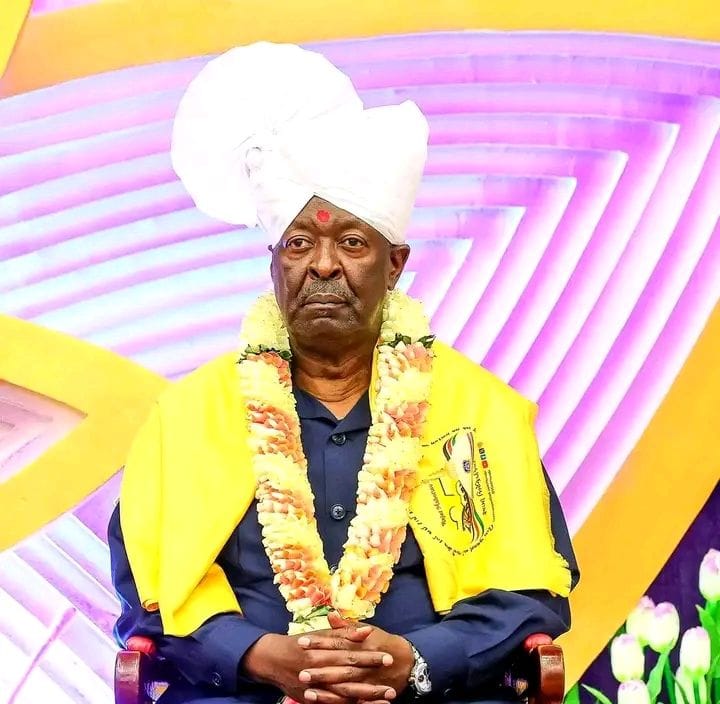
Prime Cabinet Secretary Musalia Mudavadi took a sharp hit when executives from Co-op Bank KCB and NCBA won court protection that blocks their prosecution in the Sh363 million First Assurance matter. The drama played out in Nairobi after the banks rejected a tight refund demand tied to funds prosecutors link to his partner Salim Busaidy.
Musalia Mudavadi pushed hard for results. He and other shareholders issued the banks a 24-hour deadline. They wanted a clear commitment to return the money. Prosecutors claim Salim Busaidy took it from First Assurance across a six-year stretch. The banks pushed back at once.
They refused any payment. Bank leaders asked how an insider could remove funds for so long without detection. Then suddenly the banks themselves faced pressure to cover the full sum. That refusal changed everything.
State investigators and prosecutors felt heavy pressure. Mudavadi holds real power as Prime Cabinet Secretary. Agencies moved against the chief executives once the banks declined to cooperate. The CEOs fought back in court. Judges listened. They issued orders that halt the prosecution for now. This leaves Mudavadi facing a clear setback in his push for recovery.
The First Assurance saga has simmered for years. Salim Busaidy operated as Mudavadi’s business partner during the period in question. Prosecutors point to Sh363 million that vanished from the company. They say the theft stretched across six full years.
Mudavadi and fellow shareholders stepped in with their demand. They gave the three banks just one day to agree on a refund. Co-op Bank leaders, along with those at KCB and NCBA, stood firm. They questioned the logic of blaming lenders after an internal operator allegedly emptied the accounts for so long.
What court action stopped the bank bosses from facing charges?
Court orders secured by the Co-op KCB and NCBA executives now prevent their prosecution in the Sh363 million case. The judges accepted the banks’ argument that they should not carry the cost of an alleged insider theft that lasted six years. Bank lawyers stressed the timeline.
They noted that six years of missing money pointed first to internal controls at First Assurance. Only later did the demand shift toward the lenders. The CEOs refused to bend under the 24-hour pressure. That stand triggered the court filings.
Nairobi courtrooms filled with tension as the applications moved forward. Lawyers for the bank bosses presented their case with sharp focus. They highlighted the refusal to refund as a matter of principle.
How could banks repay money taken by a company partner over such a long stretch? The state side pressed hard. Pressure from Mudavadi’s office had already pushed investigators into action. Yet the court sided with the executives. The orders stand. Prosecution cannot proceed against those three bank leaders at this stage.
Why did the banks reject the refund demand from Mudavadi?
The banks rejected the demand because they saw no basis for covering an alleged six-year theft by an insider at First Assurance. Co-op Bank KCB and NCB A leader asked the same question in private meetings and later in court papers. Money disappears for years inside a company.
Then lenders face a sudden call to repay every shilling. That sequence made little sense to them. They declined the 24-hour deadline. Their refusal forced the next move from state agencies. Those agencies felt the weight of Mudavadi’s influence and targeted the CEOs. The court later interrupted that path.
Details from the six-year period remain under close review. Prosecutors maintain that Salim Busaidy directed the removal of the Sh363 million. Mudavadi and the other shareholders treated the banks as the final point of recovery.
They set the short deadline and expected cooperation. The banks answered with a firm no. Court documents now show the executives sought protection precisely because of that refusal. Judges granted the stop on prosecution. This outcome delivers a heavy blow to Mudavadi’s efforts.
The case continues to draw attention across Kenya’s political and business circles. Mudavadi remains a central figure. His role as Prime Cabinet Secretary gives him wide reach. Yet the court orders limit immediate action against the bank bosses.
Co-op KCB and NCBA leaders can operate without the threat of those charges for the moment. First Assurance still sits at the heart of the dispute. The missing $363 million and the six-year timeline keep the questions alive. Bank statements from the period will likely face further scrutiny. Shareholders may explore other routes to recover funds.
Observers inside the court described a quiet but firm mood as the orders came through. Lawyers for the CEOs walked out with clear relief. State prosecutors absorbed the result and prepared for possible next steps. Mudavadi’s team has stayed largely silent in public so far.
The 24-hour deadline that started this latest chapter now sits in the past. What began as a demand for a refund turned into a courtroom contest. The banks held their ground. The judges backed that stand. Prosecution against those specific executives is stopped.
This development lands as a direct hit on Mudavadi’s campaign to settle the First Assurance losses. The three banks secured their protection through careful legal work. They refused to accept blame for an alleged internal scheme that ran for years.
Salim Busaidy remains the figure named by prosecutors as the source of the missing money. The full story of those six years still waits for deeper public airing. Meanwhile, the court orders keep the bank bosses out of the dock. Nairobi’s legal community watches for any appeal or fresh moves. The Sh363 million figure continues to dominate discussions. Mudavadi faces a harder path ahead after this setback.
Related Posts
Mudavadi Suffers Blow as Bank’s CEO’s Secure Court Orders
Prime Cabinet Secretary Musalia Mudavadi took a sharp hit when executives from Co-op Bank KCB and NCBA won court protection that blocks their prosecution in…
How a KSh450 Million I&M Bank Loan Swelled to KSh2.5 Billion Debt
Businessman Divyesh Indubhai Patel and his companies say they have already paid more than KSh1 billion towards a commercial loan that originally stood at KSh450…

Paul Mburu Muthumbi, Mbukinya Founder, Dies, Leaving Legacy
Paul Mburu Muthumbi built Mbukinya into one of the longest-running public service vehicle companies through sheer grit before he passed away recently. The Limuru entrepreneur…

Businesswoman Demands Justice After Mitumba Military Bale Scam
A woman paid Ksh 48,000 for a bale of mitumba, just a standard bale of second-hand clothes, yet sellers delivered military uniforms from overseas instead.…