
Rigathi Gachagua Reveals One Top Opposition Figure Will Join Ruto

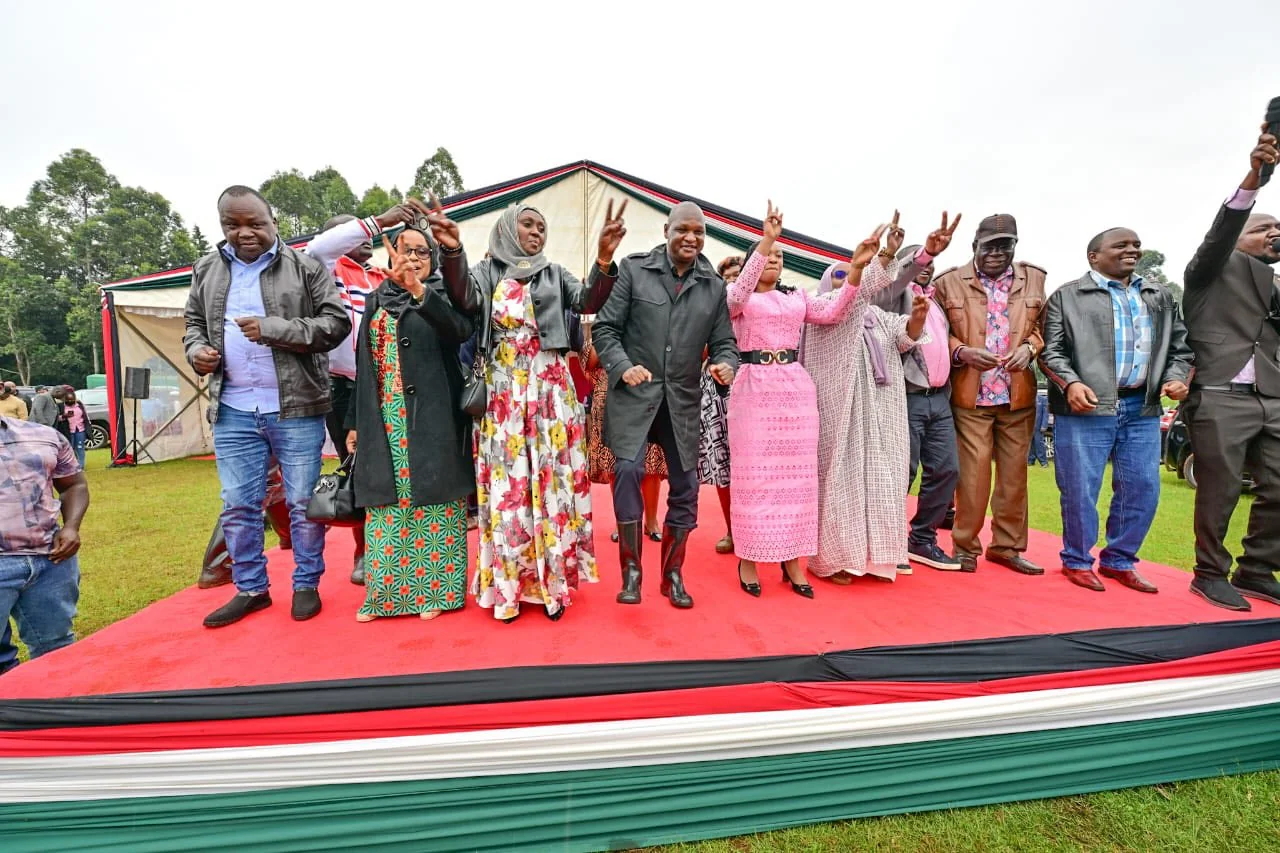
A major realignment is taking shape inside the ruling coalition as senior figures prepare for a dramatic pre-election deal. Former Deputy President Rigathi Gachagua dropped this political bombshell while addressing a gathering of supporters in the United States. He insisted that bringing opposition heavyweights into government will fail to save the current administration from a decisive defeat at the ballot box.
Speaking directly to supporters during a public address, Gachagua revealed that a top opposition leader is preparing to strike a major deal with State House before the voters go to the polls.
Power moves inside Kenya’s political halls are reaching a fever pitch. Tensions are running high across the country. Strategy meetings happen behind closed doors late into the night. Leaders are shifting alliances fast. Voters are watching every single step with deep scepticism. The ground feels unstable.
During a heated address to residents, Gachagua spoke candidly about the manoeuvring behind the scenes. He made bold predictions about the political survival of the ruling regime.
“One of the senior opposition principals will join Ruto before 2027,” Gachagua declared to the crowd.
The audience reacted with sharp gasps and murmurs. He paused for a brief moment, letting the weight of his statement settle over the gathering.
“That would not prevent Ruto from going home,” Gachagua added during his speech.
His message was blunt and uncompromising. He believes that voters have already made up their minds about the state of the economy, rising living costs, and high taxation policies. In his view, no amount of elite bargaining will change the mood of the electorate on voting day.
Why is Rigathi Gachagua predicting a major political shift before 2027?
Gachagua predicts a major political shift because high-level negotiations between State House and top opposition leaders are reaching their final stages. The former deputy president claims to have insider knowledge of ongoing talks aimed at constructing a broad-based political alliance.
Such realignments have historically reshaped the governance structure of the country prior to general elections.
Political history in the region shows that party loyalty remains fluid. Leaders build coalitions of convenience to secure power rather than advance shared ideologies. In recent months, public discourse has focused heavily on the economic strain facing ordinary citizens.
Unemployment remains a pressing challenge for millions of young people in urban centres like Nairobi and Mombasa. Small business owners across the Rift Valley and Mount Kenya regions continue to express frustration over tax burdens.
Under these circumstances, political leaders often seek safety in large, inclusive coalitions. By bringing key regional leaders into the administration, government strategists hope to consolidate regional voting blocs and neutralise vocal critics.
Gachagua insists this strategy belongs to an outdated era of politics. He believes ordinary voters no longer follow regional kingpins blindly without demanding real economic solutions. The political calculus has shifted completely. Citizens care about price tags at local markets. They care about affordable healthcare and working schools.
Will an opposition deal save President William Ruto in the next general election?
Political history suggests that opposition deals do not guarantee reelection when economic hardship drives widespread voter discontent. Gachagua emphasised during his address that absorbing rival politicians creates internal friction while failing to address the core grievances of ordinary working families.
The coming months will test the strength of these proposed alliances. As political figures position themselves for power, the gap between elite negotiations and public expectation continues to grow wider every single day.
Related Posts
Rigathi Gachagua Reveals One Top Opposition Figure Will Join Ruto
A major realignment is taking shape inside the ruling coalition as senior figures prepare for a dramatic pre-election deal. Former Deputy President Rigathi Gachagua dropped…

Gunmen Slaughter 17 People in Wedela Tavern, Outside Joburg
8 shooters armed with heavy assault rifles attacked a crowded Wedela tavern near Carletonville overnight, leaving seventeen dead and 15 injured while stealing phones and…

Pastor Jerry Eze Leads Mass Prayer at Old Trafford to Rebuke Curse
Thousands pack the stands as Pastor Jerry Eze of Streams of Joy stands in the heart of Old Trafford Stadium in Manchester this Saturday afternoon…
Jalang’o Claims Calculated Moves Guarantee Ruto 2027 Triumph
In a bold speech to supporters gathered in Nairobi, Langata MP Jalang’o assured the crowd that President William Ruto will win the election very early…