
Rwanda Hold Officers On Mini Skirt Crackdown Bus Park Arrest

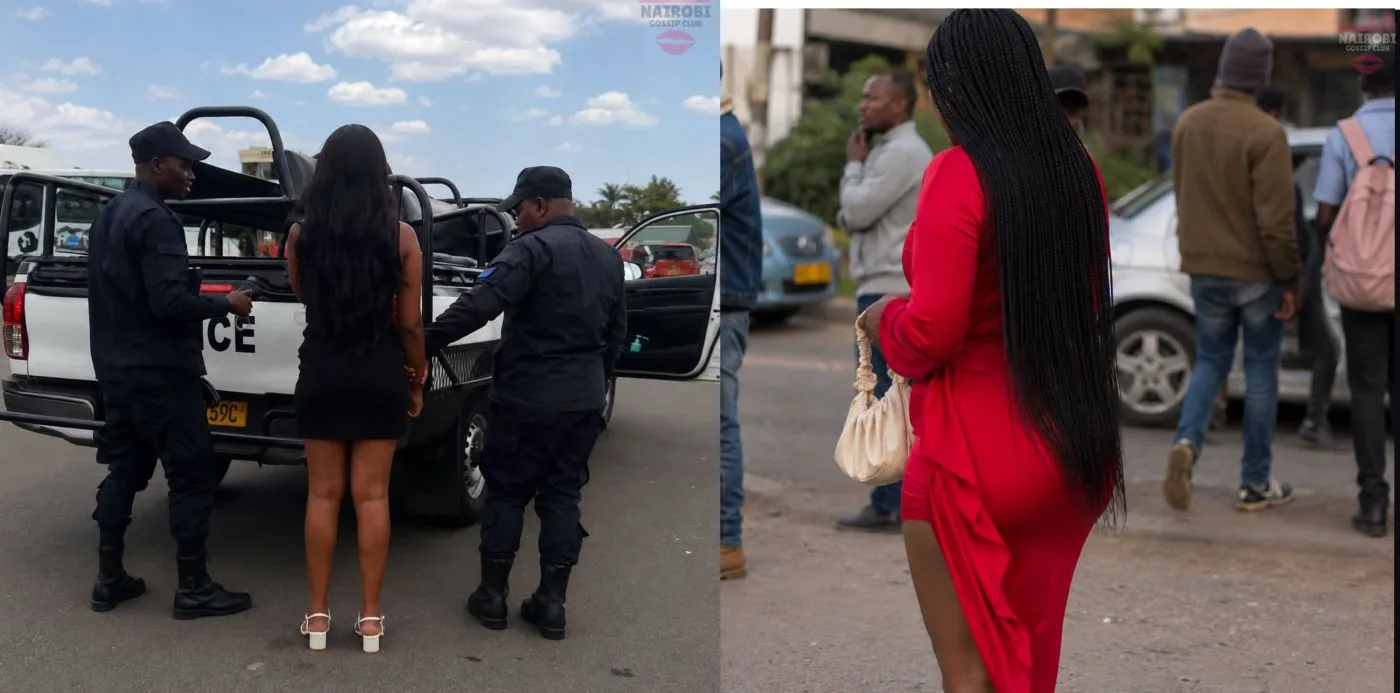
Police in Rwanda recently detained several officers who forcibly took a young woman into custody for her clothing choice at a public transport hub. The mini skirt incident in Rubavu led authorities to clear the woman while holding the officers for a probe into their conduct. This move aims to address public concerns over the handling of the matter and related enforcement actions.
A young woman faced a sudden confrontation at a busy transport area. Officers moved in quickly. They seized her over the short hem of her clothing. Crowds watched the scene unfold near waiting buses and taxis. The location sits in Rubavu near the border region.
The Rwandan National Police later confirmed she walked free after review. Yet the same force holds those officers now. Investigations continue without any public word on exact numbers involved or potential charges. Authorities insist the overall effort protects public decency along with cultural values.
Critics push back hard. They note that existing laws offer no precise list of banned outfits. Unclear rules risk turning everyday stops into moments of shame or worse. One observer at the scene recalled the tension in the air as voices rose and people shifted uneasily. Dust from passing vehicles mixed with the heat of the afternoon. The whole affair leaves many asking where the line truly sits between order and overreach.
Everyday life in Rubavu includes constant movement through the bus park. Travellers board vehicles for trips across the country or into neighbouring areas. A short skirt that day became the flashpoint.
Police described the initial action as part of wider steps against what they call indecent dressing. Women at events have faced similar turnaways in recent months, according to reports. Some arrived only to hear staff bar them at the entrance.
The pattern feeds a growing conversation about personal choice versus shared norms. Rwanda places strong emphasis on community standards in public spaces. Supporters of the measures say the approach keeps streets respectful and aligned with tradition.
Why Did Rwanda Police Hold Officers After the Incident in Rubavu
The Rwandan National Police detained the officers for their role in the forcible apprehension of the woman at the bus park while investigations proceed. The force moved swiftly once the footage circulated and public attention grew. Officials stressed that the woman faced no lasting penalty.
They focused instead on the conduct of their own personnel. This step signals an attempt to maintain accountability inside the ranks. The bus park itself remains a key node for local travel. People gather there daily for work or family visits.
Sensory details from the day include the rumble of engines and the press of bodies in the waiting areas. A short exchange turned physical according to accounts.
Officers gripped the woman and removed her from the spot. Later statements clarified her release. The same statements confirmed the officers entered custody. Rwanda continues to balance order with fairness in these matters.
Critics highlight the absence of any detailed dress code in the statute books. They argue that such gaps leave room for subjective calls that can humiliate individuals.
Public transport hubs like the one in Rubavu serve as mirrors of daily life. Families wait together. Workers hurry to board. Tourists pass through on longer routes. Into that mix came the decision to confront the young woman over her outfit.
The mini length of the skirt triggered the response. Authorities frame the larger campaign as a shield for cultural values. They point to past cases where revealing clothes led to exclusions from gatherings. Yet the lack of clear written standards fuels the pushback.
Lawyers and rights advocates warn that without precise language the process invites inconsistency. A stop that starts as guidance can slide into force. The officers involved now face internal scrutiny. The Rwandan National Police has not named them or outlined the exact allegations.
What Sparks Debate Over Dress Rules and Police Conduct in Rwanda
Unclear laws and reports of confrontations over clothing choices drive the current discussion about enforcement limits and cultural protection. Authorities maintain that steps against indecent dressing safeguard shared values in public.
Critics respond that the statutes never define acceptable lengths or styles with enough precision. This gap creates space for personal judgement to rule the day. The Rubavu case adds fresh fuel because it involves physical force followed by official correction.
Rwanda holds a reputation for orderly public spaces. The country invests in community standards as part of its social fabric. Supporters of the measures see the actions as consistent with that goal. They argue that visible respect for norms benefits everyone who shares the streets and parks.
On the other side stand those who value individual expression within legal bounds. They note that women in particular report turnaways from events when outfits fail an unspoken test. The pattern raises concerns about fairness and dignity. In the bus park the sequence moved from observation to seizure in short order.
Related Posts
Rwanda Hold Officers On Mini Skirt Crackdown Bus Park Arrest
Police in Rwanda recently detained several officers who forcibly took a young woman into custody for her clothing choice at a public transport hub. The…
President Museveni Calls Sex Denial In Marriage Jailable Offense
Uganda President Yoweri Museveni stirred fresh controversy when he declared denying your partner sex a big offence that could land people in jail. The veteran…
Uri Geller Cancels Witch Doctor Nana Kwaku Curse on Harry Kane
Uri Geller stepped in to cancel the witch doctor’s curse on Harry Kane right before England faced Ghana in the World Cup. The Israeli-British illusionist…

Didier Deschamps Mourns Mother’s Death Ahead of Norway Game
France national team coach Didier Deschamps faces sudden heartbreak as news of his mother’s death spreads through the football world. The long-time leader will fly…