
Woman Faces 14 Years Jailed After Keeping Sh33K Wrongly Sent


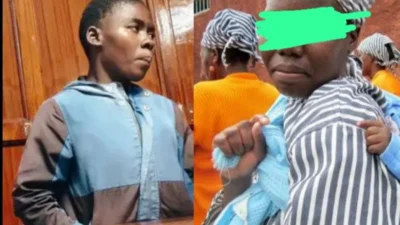
Kenyan police arrested Mary Nanjala after she refused to return Ksh 33000 sent to her by error and switched off her phone. Detectives tracked her through a soft contact who led them to her home. She now faces charges under the Computer Misuse and Cybercrimes Act for intentionally withholding the payment that landed in her account by mistake.
Police moved fast once they confirmed the erroneous transfer. Mary Nanjala received the unexpected Ksh 33000 and chose not to send it back. She powered down her phone right after the money arrived. That single decision set the investigation in motion. Officers treated the case as a clear violation of the law that bans keeping funds sent by error.
They started with her call records. Investigators identified the person she contacted most often. That soft contact became the key. Detectives approached the individual and secured cooperation. The soft contact then guided officers straight to the house where Mary Nanjala lives. Officers arrived and took her into custody without further delay.
She appeared in court and entered a guilty plea. The charge falls under the Computer Misuse and Cybercrimes Act. The law treats intentional retention of money sent by mistake as a serious offence.
Judges can impose a prison term of up to 14 years. They can also order a fine reaching Ksh 5 million. Mary Nanjala now waits for the court to decide her sentence.
What is soft contact tracing in Kenyan police investigations?
Soft contact tracing relies on the person a suspect calls or messages most frequently to locate them quickly. Officers used this method after Mary Nanjala switched off her phone. They examined her communication patterns and zeroed in on the frequent contact. That person agreed to help and took the team to her residence. The approach avoided lengthy digital searches and produced results the same day detectives launched the effort.
Locals in the area where she stays described quiet streets on the morning of the arrest. Neighbours saw officers arrive in unmarked vehicles. One resident said the soft contact walked ahead and pointed out the exact house.
Mary Nanjala offered no resistance once confronted. She had kept the full Ksh 33000 and made no attempt to reverse the transfer before her phone went dark.
The case highlights how banks and mobile money platforms move funds in seconds across Kenya. A simple typing error by the sender can land thousands of shillings in the wrong account.
Most people return the cash immediately. Mary Nanjala did the opposite. She ignored the mistaken deposit and cut communication. That choice triggered the full force of the cybercrime statute.
How much prison time does keeping wrong money risk under Kenyan law?
Keeping money sent by mistake can bring up to 14 years in prison or a fine of Ksh 5 million under the Computer Misuse and Cybercrimes Act. Mary Nanjala pleaded guilty to exactly that offence. Prosecutors presented records showing the Ksh 33000 entered her account and stayed there. They also showed she powered off her device to avoid contact. The court accepted her plea and will now weigh the evidence before passing judgement.
Court documents list the exact amount as Ksh 33000. The sender realised the error within hours and contacted the bank. Bank staff flagged the transaction and alerted authorities when the recipient failed to respond.
Detectives then stepped in. They treated the soft contact as their primary lead. Once that person cooperated, the rest of the process moved rapidly.
Mary Nanjala remains in custody pending sentencing. Friends who spoke after her arrest expressed surprise. One said she never expected the soft contact method to work so fast.
Another noted that many people receive wrong transfers, yet almost all return the funds at once. The few who keep the money now face the same legal path that Mary Nanjala walks.
The investigation left little room for doubt. Phone logs confirmed the soft contact relationship. Location details matched the address officers visited. The money remained in her account until police recovered it. Every step followed the letter of the Computer Misuse and Cybercrimes Act. Judges have applied the same provisions in earlier cases involving mobile money errors.
Public reaction in the community stayed measured. People discussed the need to return accidental deposits without delay. Some recalled similar incidents resolved quietly when recipients acted promptly.
Mary Nanjala chose a different route. She switched off her phone and hoped the matter would disappear. Detectives proved otherwise through the soft contact who led them to her door.
The court will next set a date for formal sentencing. Until then, Mary Nanjala sits with the knowledge that the law allows a lengthy prison term or a heavy financial penalty.
The Ksh 33000 that arrived by mistake now carries a far higher cost. Officers closed the case using ordinary communication records and human cooperation rather than complex technology. The soft contact simply showed them the way.
Related Posts
Woman Faces 14 Years Jailed After Keeping Sh33K Wrongly Sent
Kenyan police arrested Mary Nanjala after she refused to return Ksh 33000 sent to her by error and switched off her phone. Detectives tracked her…

Italian Priest Fr Sandro Marries Kenyan Bride in Tugen Rite
Italian-born Father Sandro stepped away from his clerical role, and now former priest Marries Kenyan partner Sharon through a lively Koito ceremony held at Seretion…

GSU Man Shoots Married Mpago wa Kando Doris Murei Dead in Camp…
A 45-year-old married nurse named Doris Murei left her home and family on Sunday and met a married GSU officer for a secret encounter, then…

Fake Priest Jones Bogonko Arrested After Viral Dance Videos
Jones Bogonko Onchonga from Kisii fooled the Catholic Diocese of Lodwar as a cleric until fake priest videos showing his lively steps spread and raised…