
Atwoli Warns ODM Faces Risk Of Collapse Without Care In 2027
 Adhis Okena — October 17, 2026
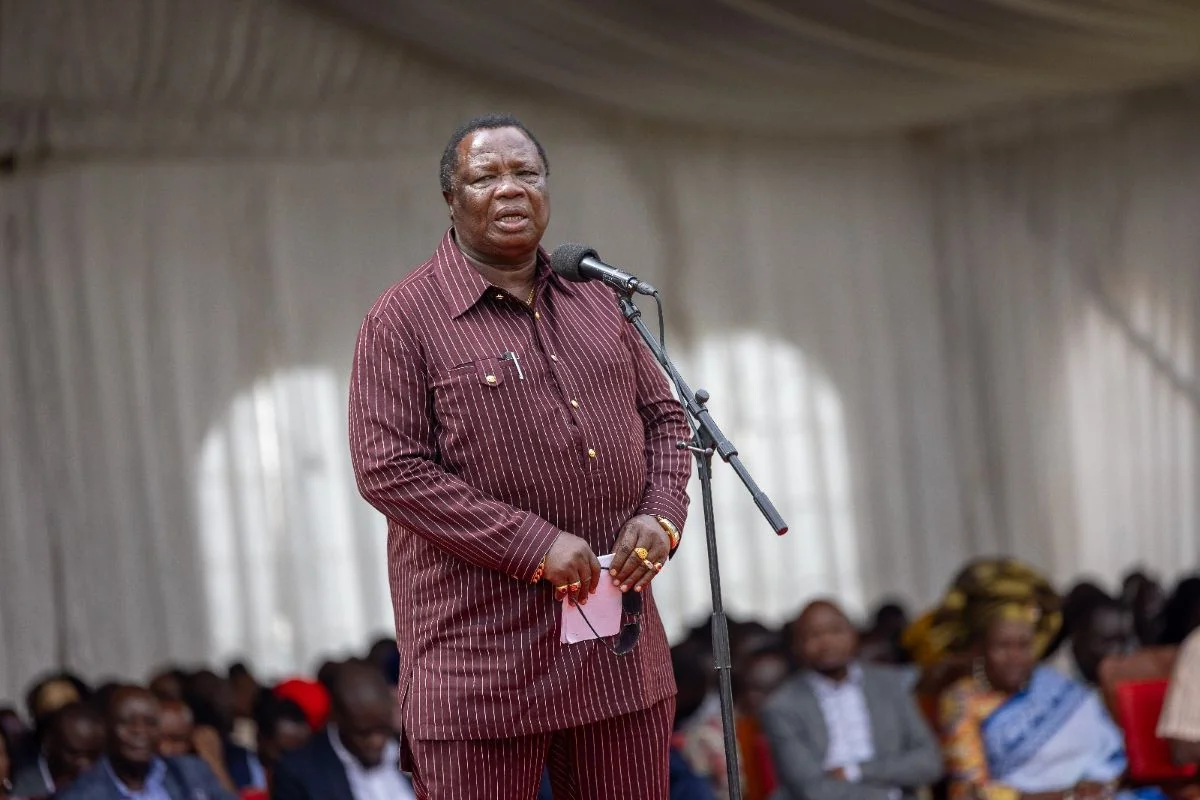
Central Organisation of Trade Unions Secretary General Francis Atwoli warned on October 16 2026 that the Orange Democratic Movement could disappear if its members fail to protect the legacy of the late Raila Odinga. He spoke in a media interview and drew a parallel from Luhya culture.
Atwoli said the party risks the same fate as property that is left with the dead when no one follows closely to guard it.
The trade unionist spoke with the blunt style that marks his public remarks. “If they are not careful, there will be no ODM.”
He described a Luhya practice in which a deceased person is said to take their belongings unless someone stays close behind to safeguard what remains and learn the necessary skills. Atwoli applied that image directly to the party Raila built and led for years.
He positioned himself as a long-time ally of the former prime minister. The absence of a steady hand inside ODM now worries him. The political inheritance needs active protection. Without it the structure could fade. His words arrived nearly one year after Raila Odinga died on October 15, 2025.
What did Francis Atwoli say about the future of ODM?
COTU Secretary General Francis Atwoli stated in an interview on October 16, 2026, that the Orange Democratic Movement could fail to survive after the death of Raila Odinga if members are not careful. He said if they are not careful there will be no ODM and compared the risk to a Luhya cultural practice where the deceased leaves with property unless someone closely follows to safeguard it. Atwoli described himself as a close ally of the former party leader.
The comparison carries cultural weight in western Kenya. Families ensure continuity by staying near the departed and mastering the knowledge they held. Atwoli argued ODM needs the same vigilance. Someone must watch over the political tools Raila left behind. The party constitution, the grassroots networks and the voter loyalty all require active defence.
He offered no names of successors. The warning stayed general. Members must act with care. The alternative is disappearance. The remark lands amid visible strains inside the party as different leaders pursue separate paths toward the 2027 election.
How does the Luhya cultural reference explain his concern?
Francis Atwoli used a Luhya cultural practice on October 16, 2026, to illustrate the danger facing ODM after Raila Odinga’s death on October 15, 2025. He explained that a deceased person is said to leave with their property and belongings if nobody closely follows behind to safeguard the deceased and learn the ropes. The COTU boss applied the same logic to the party and warned that if they are not careful, there will be no ODM.
In the tradition, the living must remain attentive. They protect assets and absorb skills so nothing vanishes with the dead. Atwoli sees the same need inside ODM. The political capital Raila accumulated over decades sits exposed.
Without deliberate guardianship, it can slip away. The analogy frames the problem as one of succession and daily attention rather than sudden external attack.
The trade unionist has watched Kenyan parties rise and fall. He knows personal brands often outlast formal structures.
His counsel urges the remaining leaders to close ranks around the core identity of the movement. The cultural image makes the advice concrete for listeners familiar with western Kenyan customs.
Why does the warning matter as the 2027 election approaches?
COTU Secretary General Francis Atwoli issued his caution on October 16, 2026, nearly one year after Raila Odinga’s death, and linked the survival of ODM to careful stewardship of the late leader’s legacy.
He warned that the party could vanish like unprotected property in Luhya tradition and declared if they are not careful, there will be no ODM. The statement arrives as the party navigates internal contests and external alliances ahead of the next general election.
Atwoli has stayed close to labour and political circles for decades. His voice carries weight among workers and in western Kenya. The call for care targets the practical work of nomination candidate selection and message discipline. A party that loses focus risks losing its place on the ballot and in the minds of voters.
The former prime minister built ODM into a national force. Its future now rests with those who remain. Atwoli places the responsibility squarely on them. Follow closely. Guard what was left. Learn the methods that kept the movement alive. Otherwise the structure itself may not outlast the man who shaped it. The interview leaves the party with a clear choice framed in plain language and cultural memory.
Related Posts
Kindiki Demands Faster Power Links at his Home and Tharaka
Deputy President Kithure Kindiki publicly confronted Energy Principal Secretary Alex Wachira on October 17, 2026, at Nyangumi Stadium in Tharaka Nithi County over slow electricity…
Sifuna Dares Ruto to Compare Track Records for 2027 Election
Nairobi Senator Edwin Sifuna challenged President William Ruto on October 17, 2026, at Sipala Primary School in Mihuu Ward, Webuye East, Bungoma County, to place…
Mudavadi warns Sifuna against parachuting into leadership ‘We will not allow it’
Prime Cabinet Secretary Musalia Mudavadi attacked Nairobi Senator Edwin Sifuna during a visit to Nandi County on October 18, 2026. He accused the senator of…
Ruto Approves Tile Duty to Sh400 Per Metre, Will Tile Costs Reduce?
President William Ruto signed the Tax Laws Amendment Bill 2026 at the Eldoret State Lodge in Uasin Gishu County on October 16, 2026. The measure…