
Ruto Approves Tile Duty to Sh400 Per Metre, Will Tile Costs Reduce?

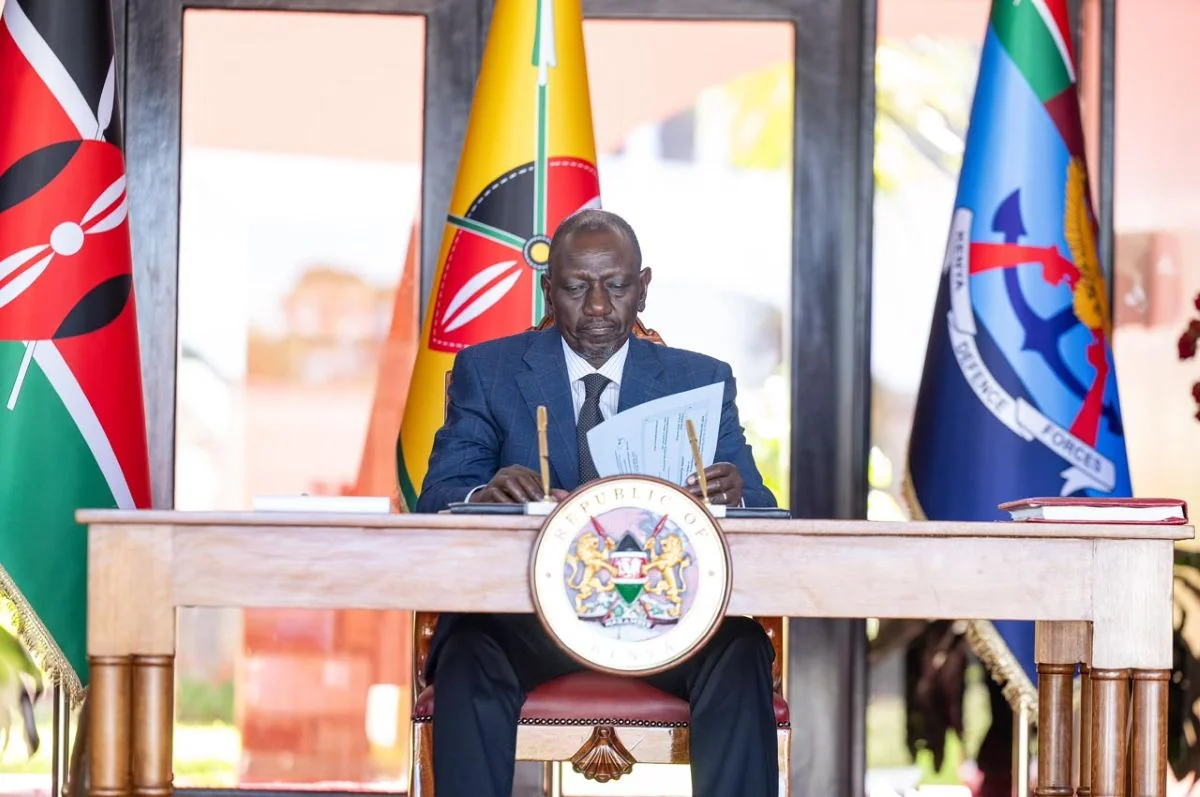
President William Ruto signed the Tax Laws Amendment Bill 2026 at the Eldoret State Lodge in Uasin Gishu County on October 16, 2026. The measure shifts excise duty on tiles to four hundred shillings per square metre. It also cuts duty on ceramic sanitary ware from Sh50 to Sh30 per kilogramme. Officials say the changes aim to ease building costs after earlier weight-based rules raised prices.
The signing took place inside the state lodge. Ruto put his signature on the Tax Laws Amendment Act and a companion Kenya Revenue Authority amendment. The tile provision replaces the previous weight calculation that lawmakers said had pushed up construction expenses since June 2026. Tiles are sold by area, so the new rate matches market practice.
Duty on ceramic sanitary ware, including sinks, washbasins and similar fixtures, falls to Sh30 per kilogramme. The Bill also updates the description of imported flat glass to match East African Community protocols. The government presents the package as support for housing and construction jobs.
Will the price of tiles go down after the new tax rate?
President William Ruto signed the Tax Laws Amendment Bill 2026 on October 16, 2026, at Eldoret State Lodge in Uasin Gishu County, shifting excise duty on tiles to four hundred shillings per square metre from a weight-based system that had raised costs. The change targets lower construction expenses. Duty on ceramic sanitary ware drops from fifty to thirty shillings per kilogramme. Officials link the reforms to affordable housing projects across Kenya.
The weight-based approach had treated heavier tiles more heavily even when they covered the same floor or wall space. Builders and importers reported higher bills. The square metre rate spreads the tax evenly across area. Whether retail prices fall depends on how importers, distributors and sellers pass on the difference. The government expects relief for both public and private projects.
Ceramic sanitary ware receives a clear 40% cut in the specific rate. Sinks and related items now attract thirty shillings per kilogramme. The glass update removes certain excise charges on products from East African Community partner states that meet origin rules. That alignment follows regional trade agreements.
What other construction materials see tax changes in the new law?
The Tax Laws Amendment Act signed by President Ruto on October 16, 2026, at the Uasin Gishu state lodge reduces excise duty on ceramic sanitary ware, including sinks, from fifty to thirty shillings per kilogramme and sets tile duty at four hundred shillings per square metre. It also revises imported flat glass descriptions to match East African Community protocols. The measures form part of wider efforts to support the housing sector.
Deputy Chief of Staff Josephat Nanok briefed on the tile shift during the event. The bill reduces the tax applicable to tiles from the initial metric measurement, now measured per square metre, with a rate of four hundred shillings per square metre.
He added that taxes on ceramic instruments like sinks drop from fifty shillings per kilogramme to thirty. The language confirms the intent to lighten the load on common building inputs.
Flat glass from within the East African Community gains clearer treatment. Products that meet the rules of origin avoid the previous excise application that conflicted with regional protocols. The adjustment should ease supply for windows and other glass uses in construction.
How do the reforms fit into broader housing and fuel measures?
President Ruto signed the Tax Laws Amendment Bill on October 16, 2026, in Uasin Gishu County, setting the excise at four hundred shillings per square metre, cutting the sanitary ware duty to thirty shillings per kilogramme and aligning flat glass with East African Community rules while also extending eight per cent VAT on fuel for ninety days. The construction changes aim to lower building costs. The fuel relief continues a temporary cushion against international price swings.
The same act keeps VAT on petrol, diesel and paraffin at 8% instead of the standard 16% for an initial ninety days with room for another extension. That provision sits alongside the material tax updates. Together they address household and industry expenses at once.
Construction leaders and developers will watch wholesale and retail lists in the coming weeks. The square metre rate for tiles removes the penalty on heavier products. The sanitary ware cut lowers a direct cost for bathrooms and kitchens.
The glass clarification supports regional trade. The full effect on final prices remains subject to market responses, yet the legal rates now stand lower or more predictable for the listed items.
Related Posts

Kindiki Demands Faster Power Links at his Home and Tharaka
Deputy President Kithure Kindiki publicly confronted Energy Principal Secretary Alex Wachira on October 17, 2026, at Nyangumi Stadium in Tharaka Nithi County over slow electricity…

Sifuna Dares Ruto to Compare Track Records for 2027 Election
Nairobi Senator Edwin Sifuna challenged President William Ruto on October 17, 2026, at Sipala Primary School in Mihuu Ward, Webuye East, Bungoma County, to place…

Mudavadi warns Sifuna against parachuting into leadership ‘We will not allow it’
Prime Cabinet Secretary Musalia Mudavadi attacked Nairobi Senator Edwin Sifuna during a visit to Nandi County on October 18, 2026. He accused the senator of…
Ruto Approves Tile Duty to Sh400 Per Metre, Will Tile Costs Reduce?
President William Ruto signed the Tax Laws Amendment Bill 2026 at the Eldoret State Lodge in Uasin Gishu County on October 16, 2026. The measure…