
Citizen TV Links MPs to Standard Group Raid Plot Funds

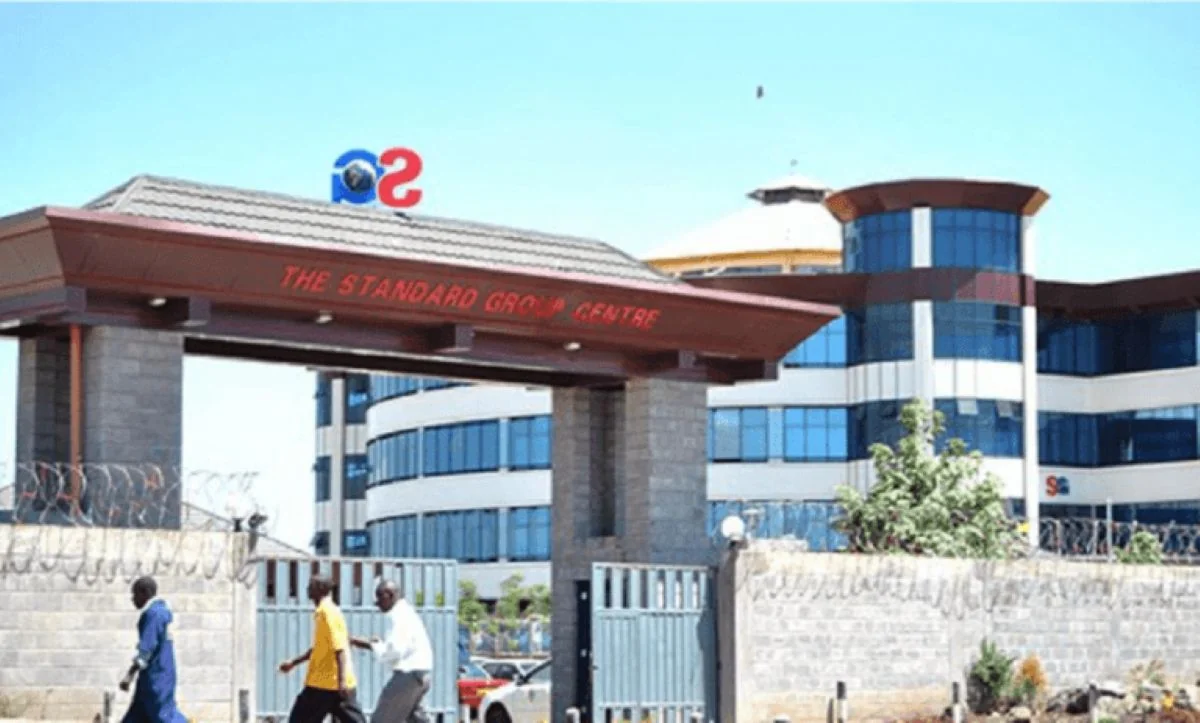
Citizen TV investigations have linked two pro-government Members of Parliament, one from Nairobi and one from the Rift Valley, to an alleged plot to storm Standard Group premises, with each contributing Ksh 400,000 to finance the October 2, 2026, protest after organisers mobilised hired participants who later complained of uneven payments.
The probe exposes a paid operation. Online threats came first. Action followed on October 2. A group of eleven calling themselves Tutam met days earlier. Ten gathered at KICC in late September. They laid plans for the march on the media house. Another meeting took place at Jimlizer Hotel in Buruburu at 6pm on October 1. Resources arrived soon after.
Hundreds gathered that morning. Men arrived from Umoja on motorbikes. Others came from Kamukunji Bellevue and Ngong Road. Nearly one hundred stood ready by 10am outside the Standard Group headquarters on Mombasa Road. The aim was clear. Storm the premises. The day ended with online celebrations among the organisers. Complaints about money surfaced at once.
What did the Citizen TV investigation reveal about funding for the Standard Group protest?
Citizen TV established that two pro-government MPs, a first-time MP from Nairobi and another from the Rift Valley, each allegedly provided Ksh 400000 to finance the October 2, 2026, protest against Standard Group premises in Nairobi, with lead mobilisers receiving over Ksh 400000, while ordinary participants received far less, according to the probe into the Tutam group meetings at KICC and Jimlizer Hotel in Buruburu.
The money trail points to hired crowds. Participants joined for payment. Exact sums for rank and file stayed unclear. Lead organisers collected the large shares. The investigation traced the funds to the two legislators.
No names of the MPs appear in the public report. The pattern shows a planned political action rather than a spontaneous gathering. A second attempt is reportedly set for October 23, 2026.
Sensory details from the day remain sharp. Shouts rose at the gates. Human rights defenders confronted the group. Rival voices clashed. The paid contingent pushed forward and then fractured over cash. Videos captured the disorder. The media house stayed protected, yet the intent left a clear mark.
How did Sally Raghet describe the payment distribution after the protest?
Sally Raghet, a protest participant, stated in an audio recording that she received only Ksh 5000 after the October 2, 2026, action at Standard Group headquarters in Nairobi, while organisers allegedly pocketed more than Ksh 100,000, and she questioned the unfair sharing that left mobilised people short while those in charge benefited.
She said the amount barely covered her personal security. The complaint captured frustration among those on the ground. Organisers took the larger cut. Rank and file walked away counting losses. Other voices echoed the same grievance. One mobiliser noted some went home counting losses; others counted thousands. Fairness vanished in the split.
Raghet has links to youth groups supporting the government. Her role placed her among the faces of the march. The audio adds a human layer to the financial claims. It shows how the money moved unevenly once it left the alleged sponsors. Participants felt used. The organisers faced direct accusations of self-benefit.
Where and when did the organisers plan the action against Standard Group
The Tutam group of eleven met at KICC in late September 2026 and again at Jimlizer Hotel in Buruburu, Nairobi, at 6pm on October 1, 2026, to plan the protest that targeted Standard Group premises on October 2, 2026, with resources secured that same evening before hired crowds from Umoja Kamukunji Bellevue and Ngong Road assembled the next morning.
Photo evidence shows ten members at the KICC session. The Buruburu meeting finalised logistics. One planner confirmed funds soon after. Mobilisation covered multiple Nairobi estates.
Motorbike teams and foot groups converged. By midmorning the numbers reached nearly one hundred. The operation carried the marks of advance preparation. Online coordination continued after the event.
The choice of Standard Group fitted a pattern of tension. Critical coverage of government had drawn earlier attacks. This episode added a funded dimension. The investigation presents the sequence as deliberate. Meetings, funds, recruitment and the march formed one chain.
What are the wider implications of the alleged MP-funded protest plot?
The Citizen TV probe concludes the October 2, 2026, protest against Standard Group in Nairobi was a carefully planned and fully paid political stunt financed in part by two pro-government MPs contributing Ksh 400,000 each, with reports of a further march planned for October 23, 2026, raising questions about media safety and the use of hired crowds in political contests.
Media houses face repeated pressure. Physical presence at the gates carries risk. Paid participants introduce new layers of organisation and later dispute. Uneven payments breed internal anger. The audio from Sally Raghet illustrates that fracture. Larger sums stayed with organisers. Smaller sums reached the streets.
Political actors remain unnamed, yet the regional description points to specific benches. Nairobi and Rift Valley representation sits at the centre of the claim.
The investigation stops short of public identification. Public demand for names continues. Accountability questions hang over the funding and the intent to storm a newsroom.
Related Posts
Mosiria Claims Babu Owino Was Bought Off by Sakaja at Sh2.5B
Former Nairobi County Chief Officer Geoffrey Mosiria alleges Embakasi East MP Babu Owino received payment to halt attacks on Governor Johnson Sakaja while talks continue…
Gaucho Says Sifuna Cannot Win Elections ‘Anapenda Wasichana’
Mama Lucy board member Calvince Gaucho declared on radio that Nairobi Senator Edwin Sifuna cannot win even an MCA seat and carries pride and contempt…
Citizen TV Links MPs to Standard Group Raid Plot Funds
Citizen TV investigations have linked two pro-government Members of Parliament, one from Nairobi and one from the Rift Valley, to an alleged plot to storm…
Wetangula, Mudavadi Exit Nabwera Requiem as Sifuna Speaks
Prime Cabinet Secretary Musalia Mudavadi and National Assembly Speaker Moses Wetangula left the requiem mass for Burudi Nabwera at Friends Church in Langata, Nairobi, on…