
KPA Spends Sh1M to Clear 4 Shrines at Dongo Kundu, 42 Remain
 Dan Mwadime — October 14, 2026
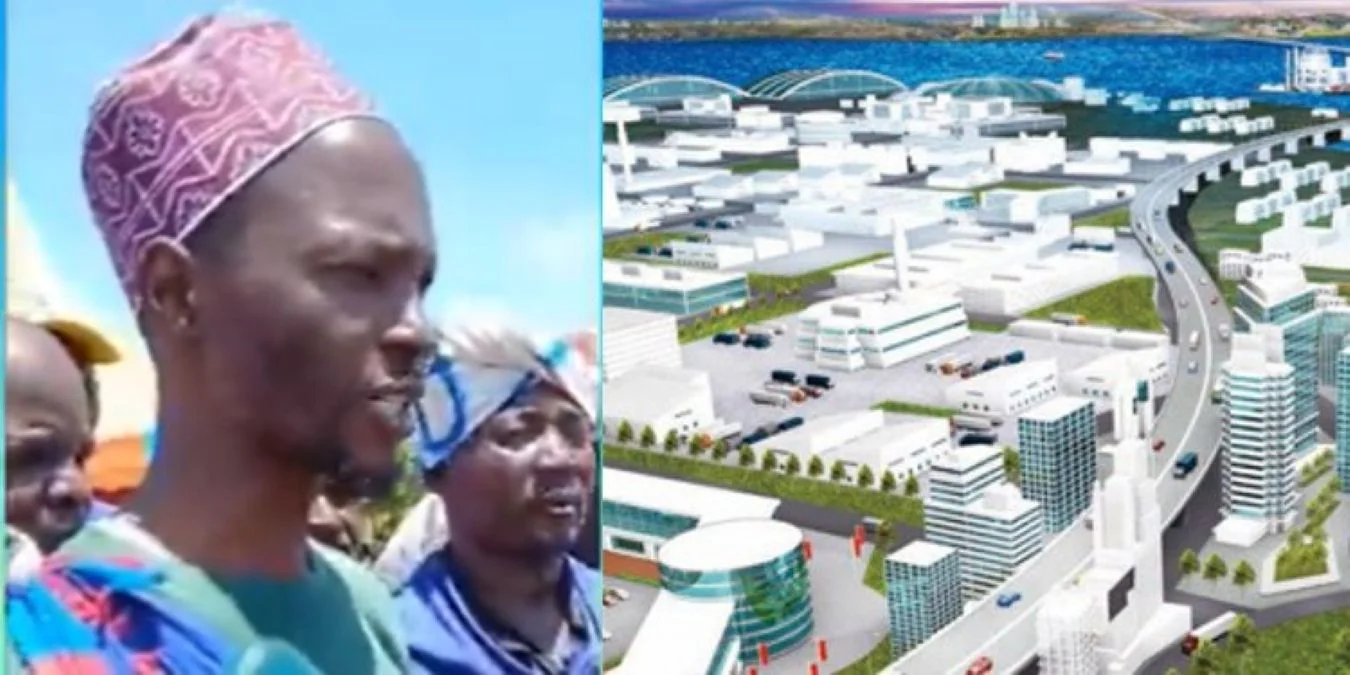
The Kenya Ports Authority handed over more than one million shillings to traditional healers this week so they could shift four shrines standing inside the Dongo Kundu Special Economic Zone in Mombasa. The payment covers only a small part of the forty-six sites the healers say still sit on the land earmarked for industry and trade.
The sun beat down on the coastal ground as the healers gathered. Residents and investors had complained for months about forces they linked to the old sites. The Kenya Ports Authority stepped in with cash and approval. The money moved the first four structures. Forty-two remain untouched for now.
Mgandi Kalinga spoke for the association of traditional healers. “Following concerns raised by residents and investors, we have worked with the Kenya Ports Authority to facilitate the relocation of four shrines.”
He made the statement during the handover exercise. The group identified forty-six shrines across the Dongo Kundu area. Only the initial four received the facilitation funds that exceeded one million shillings.
The Special Economic Zone covers three thousand acres between Mombasa and Kwale. It aims to draw factories, energy plants, and logistics firms next to the port. Ninety-seven investors have already shown interest.
Sixty percent of them are local. Construction of the first berth continues toward a target completion date of December 2028. The wider port works carry a price tag near forty-one billion shillings.
Local voices pressed for the spiritual clearances before heavy machinery advanced further. Healers argued the remaining sites still hold power that could affect workers and equipment. The current payment handles the four most urgent. Further talks will decide the fate of the rest.
Why did the Kenya Ports Authority pay traditional healers at Dongo Kundu?
The Kenya Ports Authority paid traditional healers at Dongo Kundu because residents and investors reported problems they linked to the shrines and demanded their removal before full construction began. The exercise took place in mid-October 2026 inside the Special Economic Zone that straddles Mombasa and Kwale counties.
Healers under Mgandi Kalinga coordinated the work. They received facilitation exceeding one million shillings to handle the first four sites. The authority has already verified one thousand six hundred forty-eight project-affected persons and prepared one point four billion shillings in compensation for land and property.
Four hundred acres stand ready for resettlement. Officials want every obstacle cleared so the zone can open to the waiting investors in energy pharmaceuticals and manufacturing.
How many shrines remain, and what happens next at the site?
Forty-two shrines remain after the first four were moved, and the next steps depend on further talks between the Kenya Ports Authority and the traditional healers association. The full count of forty-six sites came from the healers themselves during the recent exercise. Only the initial batch used the million shilling facilitation. The zone still needs roads, utilities, and the remaining berths.
Government teams continue processing title deeds and compensation packages this week. Investors wait for clear land before pouring capital into the coastal hub. Healers insist the leftover sites require the same careful handling. Without that process, they warn the same complaints could return and slow the industrial plans.
The authority has not announced a new budget or timeline for the rest of the work. Local attention now sits on whether the remaining thirty-eight-plus sites will follow the same path or stay in place while the Special Economic Zone expands around them.
The coastal project carries high expectations for jobs and trade. Yet the presence of the old shrines forced an unusual partnership between a state corporation and traditional practitioners. Kalinga and his colleagues completed the first phase under the October sun.
The money changed hands. Four sites shifted. The larger number still waits. Residents who raised the original concerns watch closely. Investors calculate timelines. The Kenya Ports Authority balances modern construction targets against cultural claims that refuse to vanish.
Related Posts

KPA Spends Sh1M to Clear 4 Shrines at Dongo Kundu, 42 Remain
The Kenya Ports Authority handed over more than one million shillings to traditional healers this week so they could shift four shrines standing inside the…

Kwetu eSIM Partners with Safaricom M-PESA Super App to Streamline Travel Connectivity
Kwetu eSIM is officially on the Safaricom M-PESA Super App. This will enable Kenyan travellers, tourists, and business professionals to access affordable global mobile data…

Osogbo Traders Protest After Heros Capital Food Ponzi Scheme Scam
Customers and traders gathered in shock at Odi Olowo in Osogbo this morning as the foodstuff store opposite the NEPA office stood empty after owners…

Kenyans Scammed Millions by Unlicensed QVSE Trading Platform
Many Kenyans, especially teachers, poured savings into promises of quick stock profits. Kenyans Scammed by Unlicensed QVSE Trading Platform (Quant Vest Stock Exchange (QVSE) faced…