
Waititu Returns To Prison As Court Upholds 12-Year Sentence

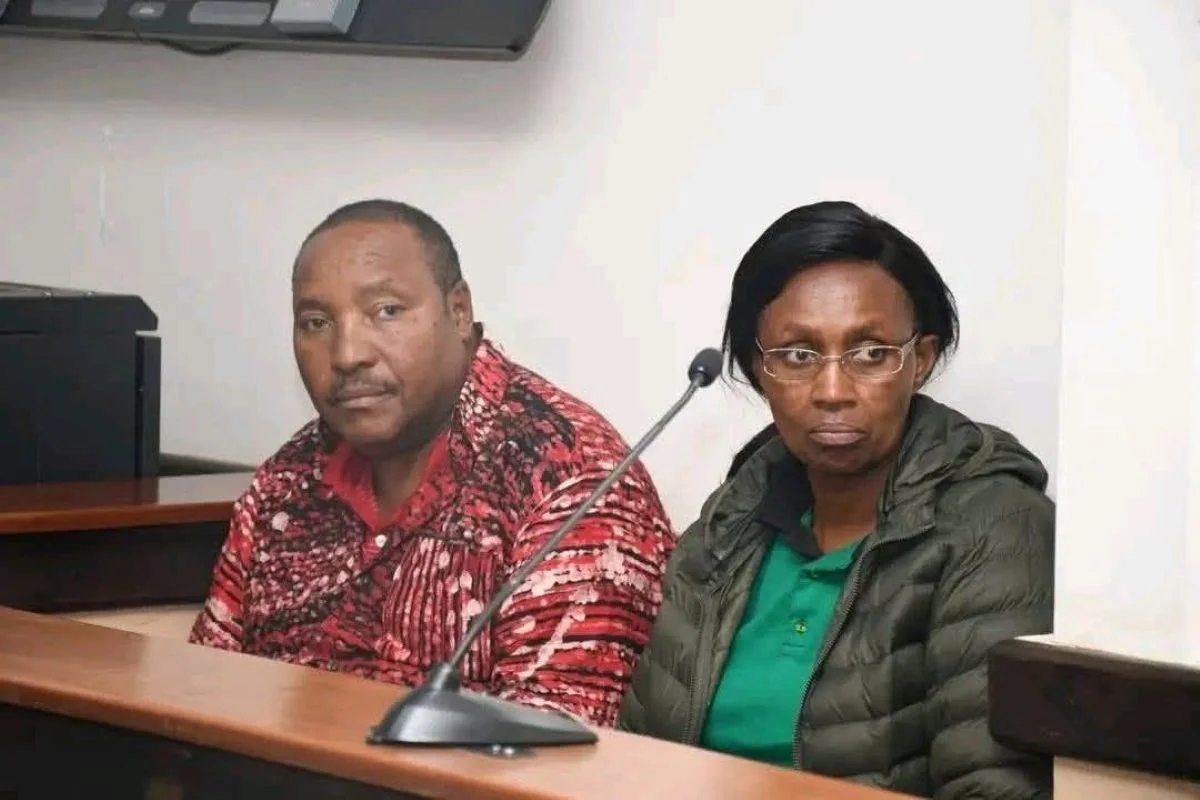
Former Kiambu Governor Ferdinand Waititu walked back into custody on October 14, 2026, after the High Court upheld his 12-year sentence in the KSh 588 million corruption case and cancelled his bail. Justice Rose Ougo also convicted his wife Susan Wangari of money laundering and ordered her detention at Langata Prison pending mitigation.
The ruling landed at the Milimani Anti-Corruption High Court. Waititu had stayed free on revised bond terms while he fought the appeal. Those terms ended at once. The judge directed officers to take him and co-convict Luka Mwangi Wahinya to Nairobi Remand Prison. Wangari went to Langata Women’s Prison.
The original case turned on a road tender awarded in the 2017-2018 financial year. Kiambu County gave Testimony Enterprises Limited a contract worth KSh 588.7 million to upgrade gravel roads to bitumen standard across Thika, Limuru, Gatundu, North, Juja and Ruiru.
Prosecutors proved the award was irregular. The company used forged certificates. Public money moved through accounts linked to the governor and his family.
Waititu received a 12-year term or a fine of about KSh 52.7 million in February 2025 for conflict of interest and dealing with suspect property. The trial court also barred him from public office for ten years.
He challenged both the conviction and the length of the sentence. Justice Ougo rejected every ground. She found the evidence solid and the penalty lawful under the Anti-Corruption and Economic Crimes Act.
The State filed a cross appeal on the money laundering counts. The lower court had cleared Waititu Wangari Wahinya and Charles Chege Mbuthia. Ougo set those acquittals aside.
She entered convictions against all four under Sections 3 and 16 of the Proceeds of Crime and Anti Money Laundering Act. Investigators traced KSh 25.6 million to Waititu’s companies, including Saika Two Estate Developers, and KSh 7.2 million to Wangari through Bienvenue Delta Hotel.
What sentence did the High Court uphold for Waititu?
The High Court upheld the 12-year prison sentence or alternative fine of roughly KSh 52.7 million that the trial court imposed on Ferdinand Waititu in February 2025 for conflict of interest and dealing with suspect property in the KSh 588.7 million Kiambu roads tender case.
Justice Rose Ougo delivered the decision on October 14, 2026, at the Milimani Anti-Corruption Division and cancelled the bond that had kept him free. She ordered his immediate remand at Nairobi Remand Prison together with co-convict Luka Mwangi Wahinya.
The ten-year ban on holding public office also stands. The same judgement confirmed the convictions of Charles Chege Mbuthia and referred the new money laundering counts for sentencing on October 19, 2026.
Why was Susan Wangari ordered to Langata Prison?
Susan Wangari was ordered to Langata Women’s Prison because the High Court on October 14, 2026, overturned her earlier acquittal and convicted her of three money laundering charges linked to the same KSh 588.7 million corruption case involving her husband, Ferdinand Waititu.
Justice Rose Ougo found that funds from the irregular Kiambu road tender flowed through her business Bienvenue Delta Hotel. The judge directed that she remain in custody pending mitigation and sentencing before the Milimani Anti-Corruption Chief Magistrate’s Court on October 19, 2026.
Any new sentence will run concurrently with earlier penalties. The Ethics and Anti-Corruption Commission welcomed the fresh convictions as proof that proceeds of the graft reached family accounts.
The courtroom emptied after the judgement. Officers escorted the former governor and his wife to separate facilities. The couple faces the October 19 hearing for the money laundering counts. Waititu’s legal team has fourteen days to consider a further appeal.
The roads that sparked the case still stretch across Kiambu sub-counties, while the public money at the centre of the scandal remains under recovery efforts by the EACC. The High Court decision closes one chapter and opens the next round of sentencing for the full group of convicts.
Related Posts
Waititu Returns To Prison As Court Upholds 12-Year Sentence
Former Kiambu Governor Ferdinand Waititu walked back into custody on October 14, 2026, after the High Court upheld his 12-year sentence in the KSh 588…
Winnie Odinga Declares Bid for Nairobi Senate Seat 2027
EALA MP Winnie Odinga stood before crowds at Migwena Grounds in Bondo on October 15, 2026, and declared she will contest the Nairobi Senate seat…

More Logging in Aberdare Forest After Court Order, Leaders Expose
Lawyer Ndegwa Njiru and Kipipiri MP Wanjiku Muhia stood among massive log piles in Nyandarua on October 14, 2026, and secured a court order that…
ORPP Approves TEP Name Change to Linda Mwananchi Movement
The Office of the Registrar of Political Parties approved the shift of the Equitable Party to the Linda Mwananchi Movement on October 15, 2026, after…