
Arsenal Consults NASA, Google, and Apple on Injury Crisis
 Rama Chibu — November 10, 2026
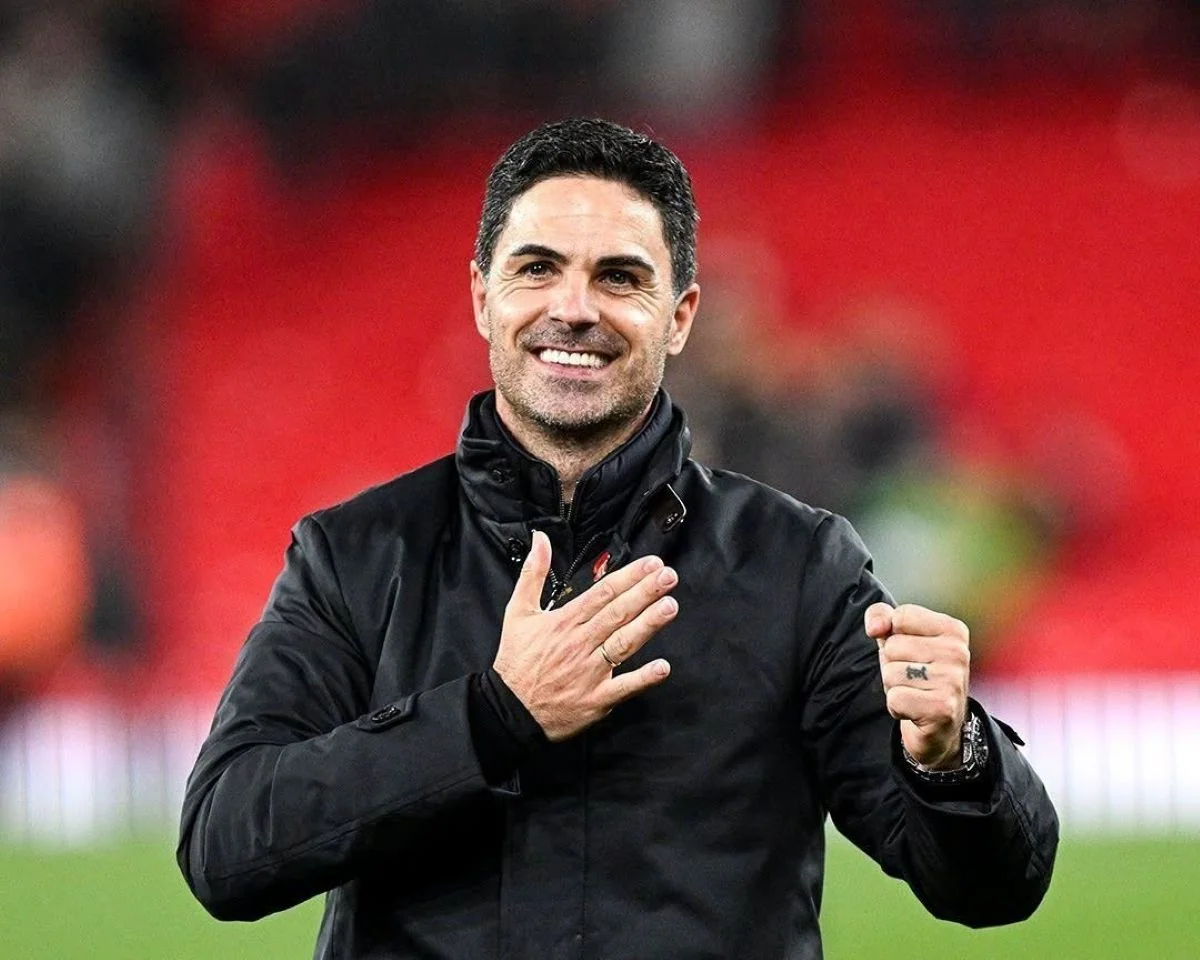
Mikel Arteta directed Arsenal staff to seek external expertise after repeated fitness setbacks at the Emirates. Arsenal consults NASA, Google, and Apple on the injury crisis as the manager pursues every available edge to keep players available. The approach draws on space research data analysis and wearable tech reported in early November 2026.
Injuries have repeatedly disrupted campaigns. Key absences still sting.
Why did Arsenal approach NASA for help with player injuries?
Arsenal contacted NASA earlier in Mikel Arteta’s tenure for insights into space physiology focused on anterior cruciate ligament injuries. Reduced gravity in space leads to muscle atrophy and bone density loss, so NASA studies how the body adapts and recovers upon return to Earth.
Club staff examined load-bearing protocols, progressive increases in weight, and whether reduced gravity-style exercise could help players resume running sooner. The consultations aimed to refine rehabilitation timelines after serious knee damage.
Jurrien Timber suffered an ACL rupture on his Premier League debut in August 2023 and missed nearly nine months. Gabriel Jesus lost 332 days after the same injury in January 2025.
How have Google and Apple contributed to Arsenal’s injury management efforts?
Google, one of Arsenal’s official partners, provided data analytics support to identify patterns linked to injury risk, including subtle shifts in running mechanics or physical output. Apple advised on wearable technology such as watches that track heart rate and exercise intensity during training and recovery.
These tools help build detailed pictures of how individual players respond to workloads. The club views its global profile as an entry point to such organizations.
Bukayo Sakaye’s recent thigh strain sustained against Bayern Munich in late October 2026 marked his eleventh injury since September 2024 and is expected to sideline him for four to six weeks.
What scale of injury problems has Arsenal faced in recent seasons?
By December 2025, Arsenal had recorded 95 injuries since the start of the 2024-25 Premier League season, second only to Brighton’s 97. A December 2025 match against Club Brugge saw the squad missing William Saliba, Gabriel Cristhian Mosquera, Declan Rice, Kai Havertz, Leandro Trossard, and Max Dowman.
The women’s team also endured multiple ACL cases, including Leah Williamson, Beth Mead, Vivianne Miedema, and Victoria Pelova in 2022 and ’23. Arteta has prioritized availability since Salibas’s absence hurt the 2022-23 title challenge.
A sign in the medical room states your best ability is availability.
How has Arsenal restructured its medical department recently?
The club overhauled its medical team in the summer of 2026, appointing Spanish physiotherapist Joaquin Acedo a long-term associate of Arteta. Dr. Arnaldo Abrantes joined as head of medical services alongside physiotherapist Carmen Marquez, both arriving from Aston Villa.
These changes form part of broader efforts to reduce soft tissue and joint problems across the first team. The external consultations with major technology and research bodies complement the internal upgrades.
Current season absences have been fewer relative to previous campaigns, yet players such as Christos Tzolis, Ben White, and Mosquera have still missed time, while Eberechi Eze picked up an unspecified issue.
What drives Artetas’s determination to solve the injury issue?
Arteta has described availability as fundamental since the early years of his managerial spell. Major title and European pushes suffered when core defenders and attackers were sidelined at decisive moments. The manager tasks staff with exploring every credible avenue, including specialized research from outside football.
The NASA, Google, and Apple contacts illustrate the lengths the club will go to protect its high-value squad and maintain competitive consistency in the Premier League and Champions League.
The search continues as Arsenal balances heavy fixture lists with the need for fresh legs. External knowledge from space medicine advanced analytics and consumer wearables now sits alongside traditional sports science. Whether the combined approach yields fewer long-term absences remains the central test for the medical and coaching staff at London Colney.
More For You
Arsenal Consults NASA, Google, and Apple on Injury Crisis
Mikel Arteta directed Arsenal staff to seek external expertise after repeated fitness setbacks at the Emirates. Arsenal consults NASA, Google, and Apple on the injury…
Arsenal Leave Empty Handed From Ballon d’Or 2026 Night
The Gunners returned from London without a single trophy after the 2026 Ballon dOr ceremony on Monday evening. Arsenal left empty-handed from Ballon d’Or Night,…
Hansi Flick Eyes La Masia Stars After Real Madrid Defeat
Barcelona manager Hansi Flick faces a defensive headache after Real Madrid exposed weaknesses in his team, forcing the German coach to consider promoting young academy…
Real Madrid Stars Head to London for Ballon d’Or 2026 Night
Kylian Mbappe, Yan Diomande and Marc Cucurella travel with the Real Madrid delegation to the 2026 Ballon d’Or ceremony at the London Palladium on 26…