
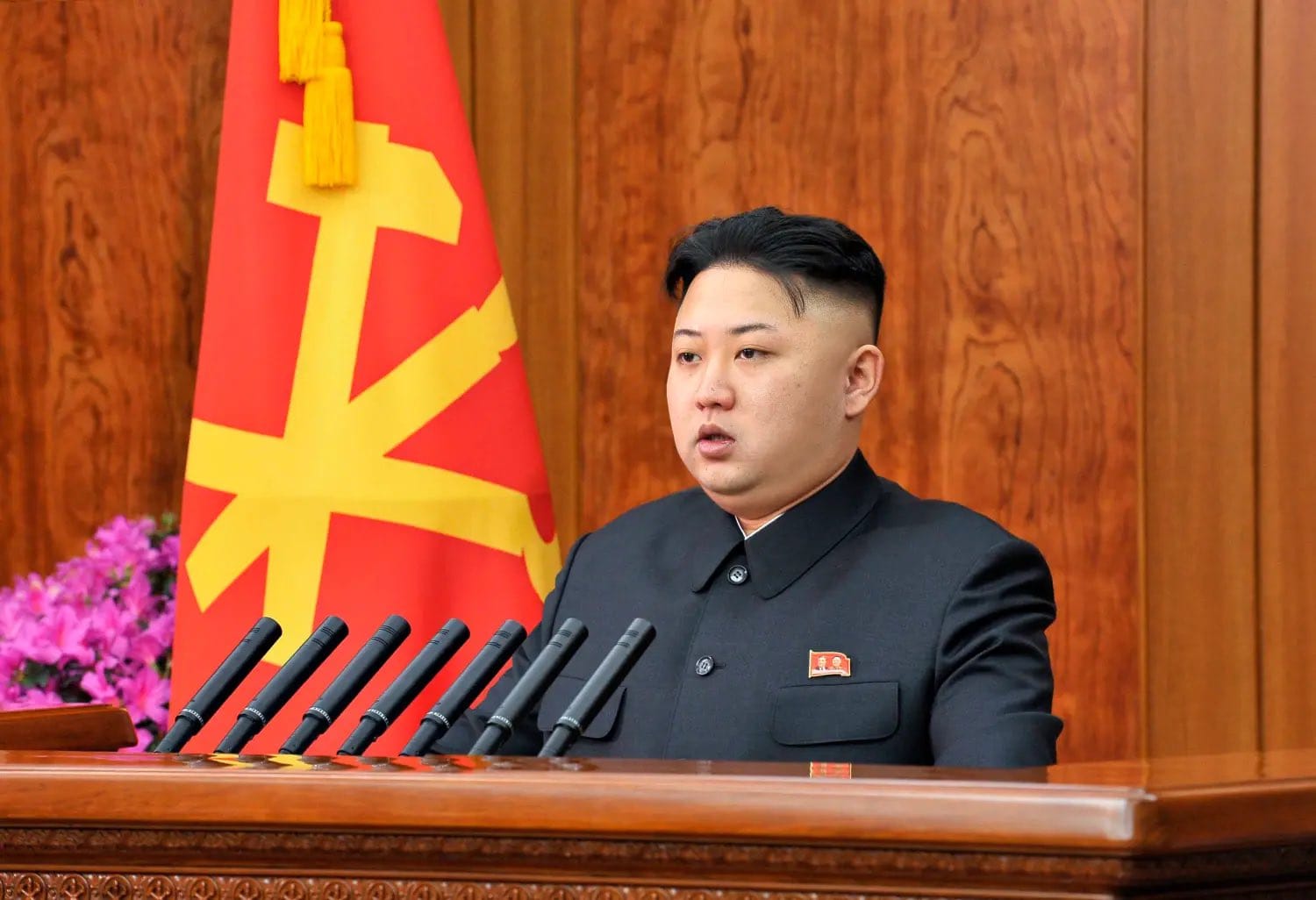
North Korea to air edited Premier League matches under tight regime controls, a move sparking global buzz after reports surfaced of leader Kim Jong-un’s nod to the broadcasts.
State media confirmed the decision Friday, aligning with a February Guardian exposé on how Korean Central Television (KCTV) has quietly screened select English top-flight games for months, but now with expanded access promised for football-mad citizens.
The arrangement, shrouded in secrecy, comes with a laundry list of edits to ensure content fits Pyongyang’s ideological mould, from snipping South Korean stars to slashing game lengths.
Fans in the isolated nation, long starved of international sports, might finally catch glimpses of stars like Erling Haaland or Mohamed Salah, but only after censors wield the scissors.
Matches won’t stream live; instead, they’ll face a 150-day delay before airing, allowing editors ample time to scrub sensitive bits.
Each fixture gets trimmed from the standard 90 minutes to a brisk 60, axing not just halftime fluff but chunks of play to keep viewers hooked without overtime lulls.
“It’s like watching a highlight reel scripted by the state,” quipped one defector in Seoul, who caught bootleg versions abroad. KCTV, the sole broadcaster, has aired just 21 games from last season’s slate so far, often replaying favourites like Manchester City’s title clinchers three times over.
The most eyebrow-raising rule targets South Korean players, branded persona non grata due to inter-Korean tensions. Footage of Brentford’s Kim Ji-soo, Wolves’ Hwang Hee-chan, or Tottenham’s Son Heung-min – the latter a K-pop level icon back home – gets digitally erased, their goals reassigned, or moments faded to black.
Kim Jong-un, a reported Arsenal devotee with a soft spot for the Gunners, reportedly greenlit the policy to shield viewers from “hostile influences”, per regime insiders leaking to foreign press.
This echoes his fiery 2024 speech decrying Seoul as the “principal enemy”, a stance that bleeds into even pixelated passes on the pitch.
Visual tweaks add another layer of North Korean flair. Stadium English text – think sponsor banners or score tickers – vanishes under overlaid Choson gul graphics, while original broadcaster logos blur into oblivion.
Pitch ads, once masked entirely, now peek through selectively, but only if they pass muster on capitalist vibes. And in a nod to the country’s conservative ethos, any whiff of LGBTQ+ symbols, from rainbow armbands during Pride rounds to subtle player gestures, faces the cutting room floor.
No official tally exists, but analysts guess this nixes scenes from matches like last season’s Brighton vs. Chelsea clash, where visibility campaigns ran high.
This broadcast thaw traces to Kim’s personal passion for the Premier League, fuelled by smuggled DVDs and satellite hacks in elite circles.
Defectors recall him hosting viewing parties at his lakeside villa, complete with knockoff kits, but mass access was taboo until now.
The Guardian’s deep dive revealed KCTV’s piracy skirts international copyrights – North Korea holds zero official rights – potentially irking the EPL’s £10 billion broadcast empire.
Premier League chiefs, tight-lipped, issued a vague statement on “respecting global audiences”, but whispers in London pubs suggest quiet fury over unpaid royalties funnelled to regime coffers.
Reactions pour in from all sides. In Seoul, sports minister Kim Jong-min called it “propaganda football”, urging FIFA to probe the edits as fair play fouls.
South Korean netizens flood their social media with memes of invisible Hwang Hee-chan ghosting goals, while UK fans dub it “Kim’s Cut Edition,” joking that it’d make for snappier Netflix docs.
“Football should unite, not divide pixels,” tweeted Amnesty’s East Asia director. Yet, for Pyongyang’s 26 million, it’s a rare treat amid blackouts and rations – one Pyongyang factory worker, speaking anonymously to state-approved reporters, gushed, “Even shortened, it’s better than our league’s endless draws.” Broader ripples hit the sports world.
EPL clubs eye lost merch revenue from untapped markets, with Wolves mulling a cheeky “Hee-chan Unseen” jersey line. Broadcasters like Sky Sports ponder legal salvos, but experts say sanctions complicate enforcement.
As winter grips the peninsula, KCTV teases its first “approved” airing: a delayed Arsenal-Liverpool thriller from summer, sans any red menace from the South.
Kim’s gamble? Soft power via set pieces, proving even dictators crave a good counterattack. For global football, this odd broadcast odyssey spotlights isolation’s quirks. Will the edited EPL hook a new generation of North Korean talents dreaming of defecting to the pros? Or reinforce the regime’s grip through sanitised spectacles?