













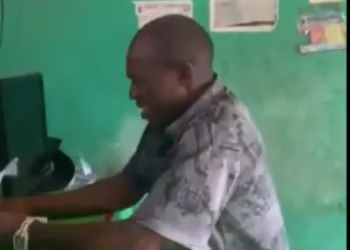



Cookie, the viral road trip man, released his first video since the unmasking incident surfaced online Sunday, marking the long-awaited return of the Kenyan individual who captivated social media last month after being revealed as a biological male during a group outing that turned chaotic.
In the short clip posted on TikTok and quickly shared across Instagram, Reels, and X, the person known online as Cookie appears in casual male attire, speaking directly to the camera with a mix of humour and reflection. “I’m back, fam. That road trip drama was wild, but life goes on,” he says, flashing a smile before demonstrating a quick dance move that nods to the feminine persona that initially fooled friends and online followers.
The original incident exploded in late November, when videos showed Cookie, dressed convincingly as a woman, joining a matatu road trip with a group of men who showered her with attention and favours.
The deception unravelled during a police stop, leading to an arrest and dramatic unmasking at a station that went viral with millions of views. Clips captured shocked reactions from companions, sparking debates on trust, online personas, and gender expression in Kenya’s digital space.
Since then, Cookie maintained silence amid intense speculation and memes. The new video, clocking over 500,000 views in hours, addresses the hiatus lightly. He thanks supporters for positive messages while acknowledging critics, saying the experience taught valuable lessons about authenticity and boundaries in friendships.
Fans flooded comments with relief and encouragement, many praising the comeback as bold. “Finally! We missed you, king,” one wrote, while others shared laughing emojis referencing the infamous reveal. Content creators who covered the story reacted positively, with some inviting collaborations for tell-all interviews.
The road trip saga shed light on Kenya’s dynamic TikTok scene, where pranks and challenges frequently blur the boundaries between entertainment and reality. Mental health advocates used the moment to discuss pressures of viral fame, especially for young people experimenting with identity online.
Cookie hints at more content ahead, promising stories from behind the scenes without dwelling on negativity. “No beef, just vibes from now,” he captioned the post, accompanied by upbeat local gengetone tracks.
Social media analysts note the video’s timing taps into lingering curiosity, potentially launching a new chapter for the creator. Brands in fashion and comedy circles watch closely, as similar viral figures have parlayed controversy into sponsorships.
As shares climb, Cookie’s return shows resilience in Kenya’s online ecosystem, where one moment can redefine trajectories. Followers eagerly await follow-ups, curious if the persona blend will continue or evolve into fresh formats.
The unmasking dominated feeds for weeks, inspiring skits and songs that cemented Cookie in the pop culture lexicon. This first post-incident appearance signals closure for some and fresh beginnings for others.
Nairobi’s nightlife and content hubs buzz with chatter, as creators draw inspiration from the authentic comeback style. Whether leading to podcasts, merchandise, or collaborations, the video reignites interest in a story that captured national imagination.
For Cookie, stepping back into the spotlight on her own terms represents empowerment. The road trip may have detoured unexpectedly, but the journey continues with the audience along for the ride. As views surge, one thing is clear: in Kenya’s fast-paced social media world, comebacks can hit harder than originals.