

The Kenya airport strike has thrown Jomo Kenyatta International Airport into complete disarray this Monday. Planes sit idle on the tarmac while passengers check their watches and wonder when they will finally take off. The walkout started early in the morning and hit East Africa’s busiest hub right in the gut.
Air traffic controllers joined the action alongside other aviation staff. That meant clearance for departures slowed to a crawl. Kenya Airways reported major backlogs, with some flights waiting hours just to get the green light. Pilots kept their passengers informed, but the delays kept piling up.
One traveller posted a video from inside a jet bound for Mombasa. She saw rows of tired faces as the crew handed out water bottles to keep spirits up. Another family from abroad shared how they had been circling the runway for nearly two hours. Stories like these spread fast on WhatsApp and X as the morning wore on.
The Kenya Airports Authority stepped in with a statement about operational hiccups. They talked of activating backup plans to ease the pressure but admitted schedules were all over the place.
No one could say exactly when things would return to normal. The union made it clear this was no quick protest. Moss Ndiema, the secretary general of the Kenya Aviation Workers Union, told reporters that planes were barely leaving the ground.
He explained the core issues. Workers want a fresh collective bargaining agreement that addresses pay and better conditions on the job. The group had given notice a week earlier, but the civil aviation bosses took the matter to court in a bid to stop it. That did not work. The action kicked off at six in the morning and affected everything from international routes to short hops inside the country.
JKIA handles millions of passengers each year. It serves as the gateway for travellers heading to safaris in the Maasai Mara or business meetings in the city.
Airlines from across the continent rely on it too. When it slows down, the ripple effect hits hard. Tanzania’s Precision Air felt the pinch. So did smaller carriers connecting to places like Kisumu and Eldoret.
Kenya Airways sent out urgent messages to customers. They urged folks to check flight status before heading to the terminal. Some did anyway and found long queues at check-in counters that barely moved. Security lines stretched further than usual. Shops inside stayed open, but sales were slow with everyone glued to departure boards.
Social media captured the mood perfectly. One post showed a pilot leaning against the cockpit door chatting with cabin crew. Comments flooded in from stranded businesspeople who missed meetings and tourists who worried about connecting flights in Dubai or Johannesburg. A few even joked about turning the airport into a pop-up hotel for the night.
This is not the first time aviation workers have made their voices heard. Last year a similar dispute over a proposed lease deal with an Indian company caused headaches for weeks. That one cost the national carrier millions in lost revenue. This round feels just as serious, with the union digging in for real change.
For now the authorities keep pushing contingency measures. Extra staff from other shifts get called in where possible. Ground teams work overtime to turn planes around faster once they do get clearance. Still the backlog grows with each passing hour.
Families travelling for half-term holidays find themselves in the middle of it all. A mother from Nakuru described her kids getting restless after three hours on board.
She said the airline crew did their best, but the uncertainty wore everyone down. Business travellers on tight schedules face even tougher choices. Some planes have to land at smaller airstrips, which costs more and takes longer.
The strike brings to light bigger problems in the industry. Staff members say they work long hours under a lot of stress and that their pay hasn’t kept up with the cost of living.
They think the airport is an important part of Kenya’s economy, but they don’t feel valued. The union wants the two parties to start talking again soon, although they are still very far apart.
Updates keep trickling in as the day goes on. Some flights ultimately leave after waiting for a long time. Some are just plain cancelled. Kenya Airways said it would change schedules when it can and lets people rebook without charging them more. Passengers appreciate the gesture, but a lot of them just want to get going.
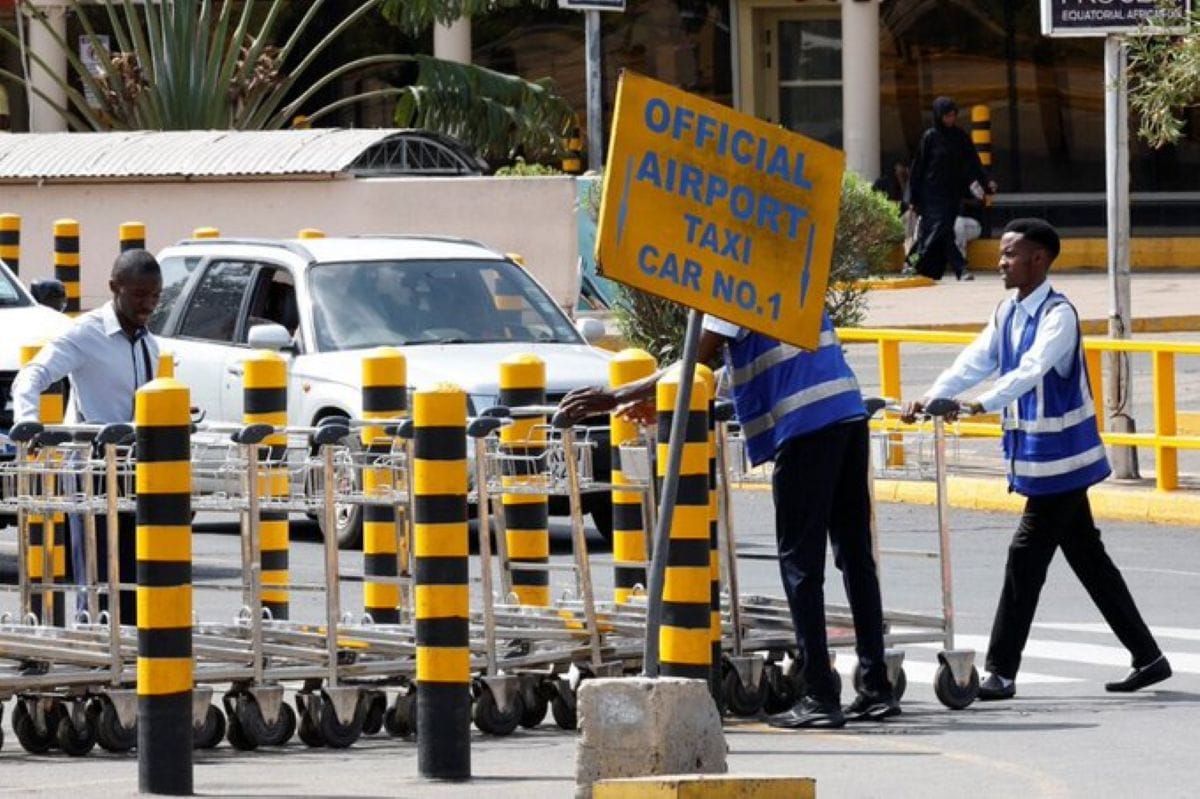
Nairobi has become a key airport hub for the area. Because of its position in trade and tourism, problems like this one impact it harder. Hotels near the airport report more last-minute bookings from folks who decide to wait it out on solid ground. Taxi drivers at the ranks do steady business ferrying people back to town.
The Kenya airport strike shows how quickly one group can bring a whole system to a halt. Workers seek fairness in their pay packets. Airlines scramble to keep customers happy. Travellers sit tight and hope for the best. For now the focus stays on getting planes back in the air and lives back on track.
This situation could drag on for days if no deal emerges. Both sides know the stakes are high. Kenya cannot afford to lose its edge as a regional hub. The coming hours will tell whether the walkout eases or intensifies. In the meantime phones stay lit up with alerts, and everyone watches the skies above JKIA.